
Summary
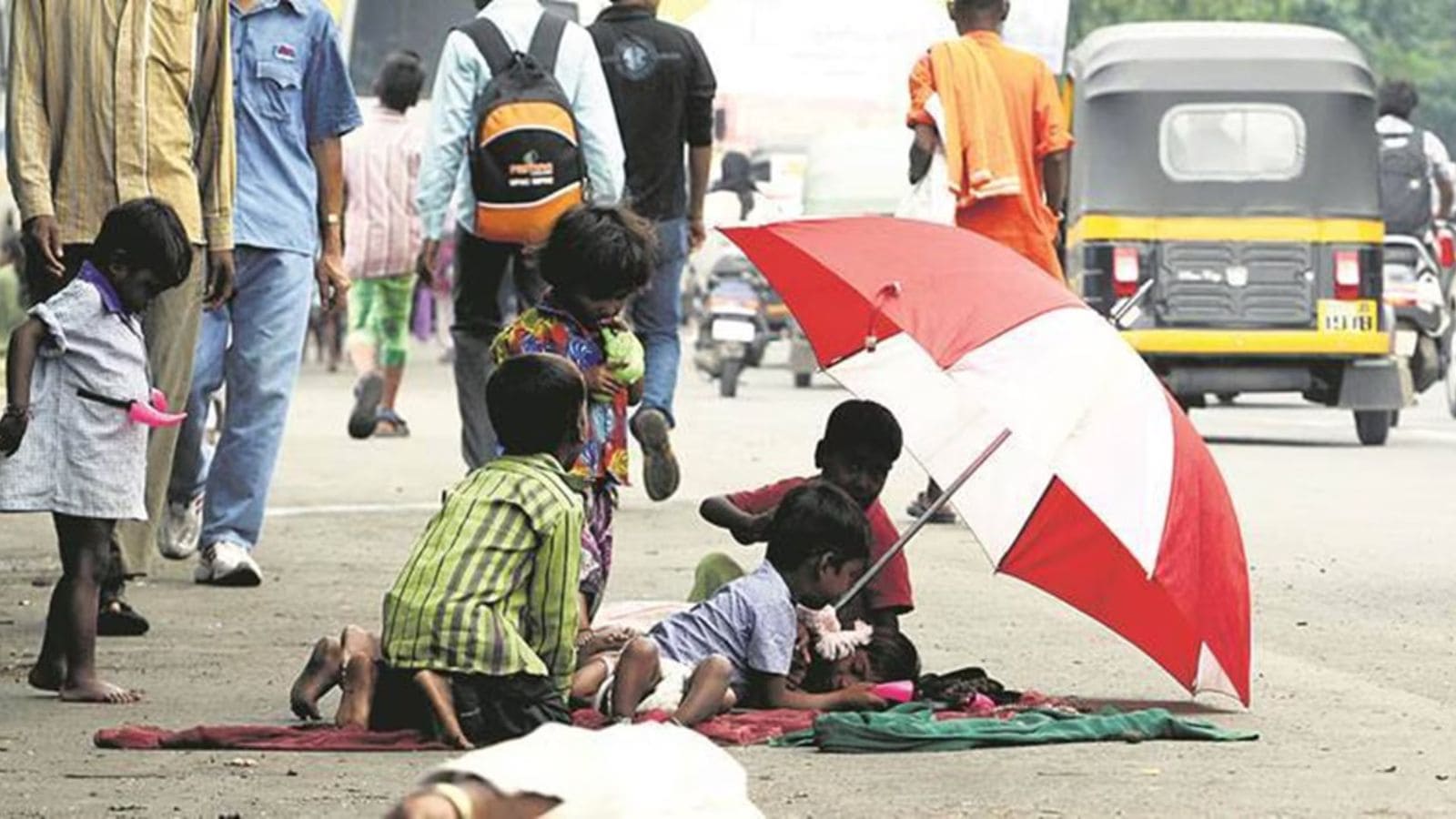
In the busy area of Chembur, Mumbai, a unique school is operating right under a noisy flyover. This school serves children who live on the streets and spend their days at traffic signals. Before the children start their lessons, the school provides them with a place to bathe and a healthy meal. This initiative aims to give homeless children a chance at a better life by combining basic care with primary education. It is a vital project that helps bridge the gap between street life and formal schooling.
Main Impact
The biggest impact of this school is the sense of dignity and hope it gives to children who are often ignored by society. By providing a clean space to wash and eat, the school addresses the immediate physical needs of the students. This allows them to focus on learning without the distraction of hunger or poor health. The program is successfully pulling children away from begging and child labor, placing them instead in a safe environment where they can build a future.
Key Details
What Happened
The school, often called a "Signal School," was created to reach children who live at major road junctions. These children usually spend their time selling small items or begging from car drivers. Instead of waiting for these children to find a school, the school came to them. Teachers and volunteers set up a learning center under the Chembur flyover, using the space beneath the concrete bridge as a classroom. Every morning, the children arrive from their nearby pavement homes. They are given soap and water to clean themselves, followed by a nutritious breakfast. Once they are fed and clean, the formal teaching begins.
Important Numbers and Facts
The school supports dozens of children who range in age from toddlers to teenagers. Most of these students have never stepped inside a regular classroom before joining this program. The curriculum focuses on basic literacy, math, and life skills. The project is managed by an NGO that works closely with local municipal authorities to ensure the space is safe and usable. Since its start, the school has helped several children transition into formal government schools, proving that the model works even in the most difficult urban conditions.
Background and Context
Mumbai is one of the most crowded cities in the world, and thousands of families live on its sidewalks. For the children of these families, getting an education is very hard. They often have to help their parents earn money from a very young age. Traditional schools can be intimidating for street children because they lack birth certificates, permanent addresses, or even clean clothes. This school under the flyover removes those barriers. It understands that a child cannot learn if they are hungry or feel ashamed of their appearance. By meeting these basic needs first, the school creates a path for the city's most vulnerable residents to enter the education system.
Public or Industry Reaction
Local residents and commuters have noticed the positive change in the area. Many people who used to see these children begging now see them carrying books and sitting in organized groups. Social workers have praised the "bath and meal" approach, noting that hygiene is often the first step toward self-respect for homeless youth. While some critics initially worried about the noise and air pollution under a bridge, the general consensus is that a school under a flyover is much better than no school at all. The success of the Chembur location has led to calls for similar schools to be opened under other flyovers across Mumbai.
What This Means Going Forward
The future of this project depends on steady funding and continued support from the city government. As more children join, the school will need more teachers and better facilities, such as portable toilets and more storage for books. The long-term goal is not just to keep the children under the bridge, but to use the flyover school as a stepping stone. Once a child gains enough confidence and basic knowledge, the staff works to enroll them in a standard school. This movement shows that urban spaces that are usually wasted can be turned into centers for social good.
Final Take
The school under the Chembur flyover is a powerful example of how creative thinking can solve big social problems. It proves that education does not always need a fancy building; it needs dedicated teachers and a community that cares. By providing a bath, a meal, and a lesson, this school is giving Mumbai’s street children the tools they need to walk away from the traffic signals and toward a brighter life. It is a small but significant victory for equality in a city of great contrasts.
Frequently Asked Questions
Why does the school provide baths for the children?
Most of the children live on the pavement without access to running water. Providing a place to bathe helps improve their health, prevents skin diseases, and gives them the dignity they need to feel ready for a classroom environment.
Is it safe for children to study under a flyover?
While the environment is noisy and dusty, the school area is fenced and supervised by adults. The NGO works to keep the space clean and safe, providing a much more secure environment than the open streets where the children would otherwise be.
How is the school funded?
The school is primarily funded by non-governmental organizations (NGOs) and private donations. They also receive some support and permission from the local municipal corporation to use the public space under the bridge.



