
Summary
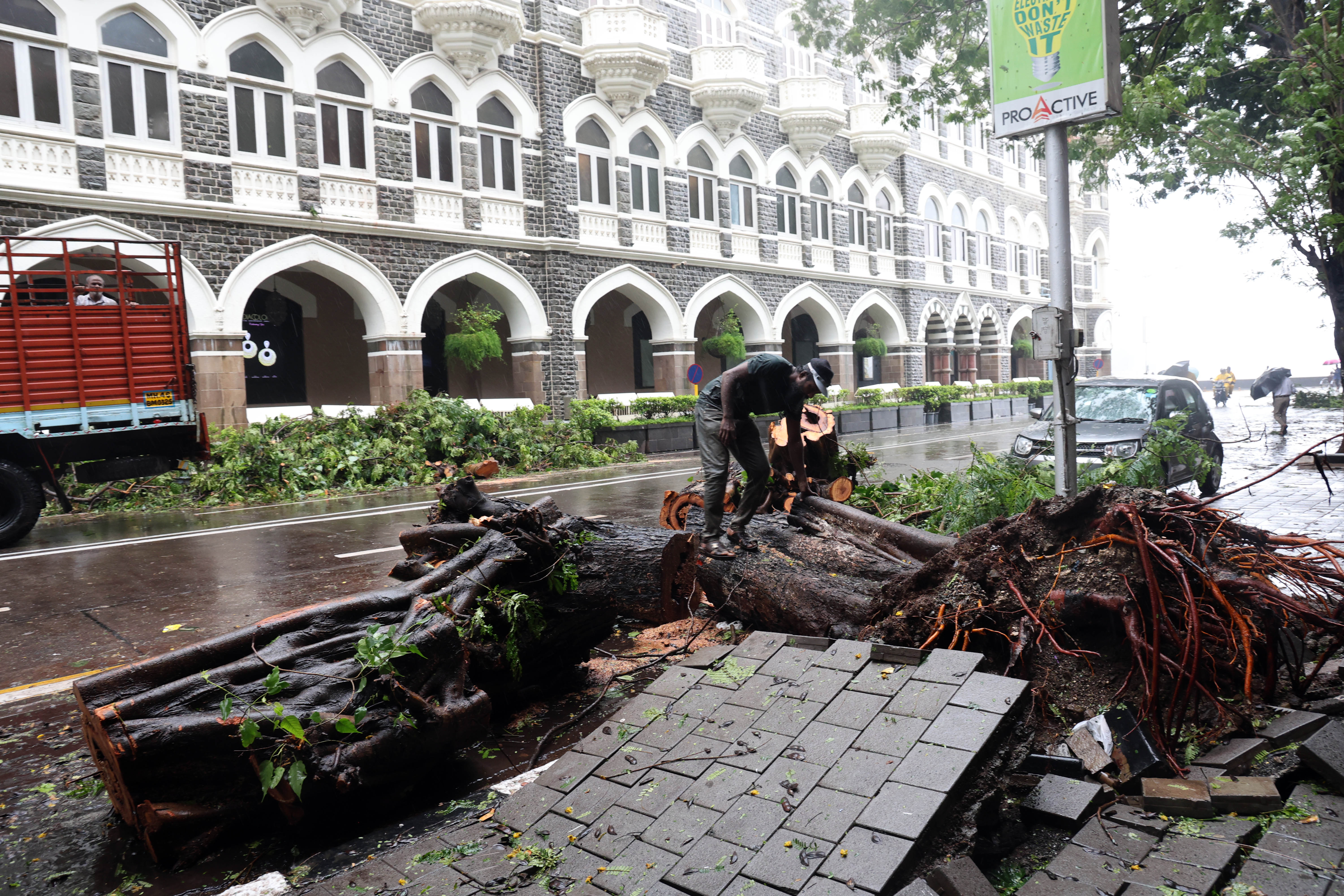
Mumbai's monsoon crisis has deepened, with 10 people dead and the city under a red alert. Authorities have issued a "stay home" appeal as heavy rain continues to batter the financial capital. The situation remains critical, with flooding, transport disruptions, and power outages affecting millions. The India Meteorological Department (IMD) warns that the worst may not be over yet.
Main Impact
The immediate impact is severe: 10 confirmed deaths, mostly due to drowning and building collapses. The city's train and road networks are paralyzed, with waterlogging on major roads and railway tracks. Flights at Chhatrapati Shivaji Maharaj International Airport have been delayed or canceled. Schools and offices are closed, and emergency services are stretched thin. The red alert means extremely heavy rain is expected to continue, posing a direct threat to life and property.
Key Details
What Happened
Mumbai and its surrounding areas received over 300 mm of rain in a single day, breaking records for July. The deluge caused widespread flooding in low-lying areas like Dadar, Kurla, and Andheri. Several buildings collapsed in the rains, trapping residents. The BMC (Brihanmumbai Municipal Corporation) has deployed pumps and rescue teams, but the sheer volume of water has overwhelmed drainage systems.
Important Numbers and Facts
- 10 deaths reported as of July 6, 2026.
- Red alert issued for Mumbai, Thane, and Palghar districts.
- Over 300 mm rainfall in 24 hours.
- More than 50 local train services canceled.
- Over 100 flights delayed or diverted.
- Power outages in at least 20 neighborhoods.
Background and Context
Mumbai faces monsoon flooding every year, but this event is among the worst in recent memory. The city's drainage system, built over a century ago, cannot handle such intense rainfall. Climate change is making these extreme weather events more frequent. The IMD's red alert is the highest warning level, meaning "take action" to protect life. The "stay home" appeal is rare and underscores the danger.
Public or Industry Reaction
Residents have expressed frustration on social media, sharing photos of submerged cars and flooded homes. Many have criticized the BMC for slow response. Business leaders have warned of economic losses, as offices remain shut and supply chains are disrupted. The stock market saw a dip, with shares of insurance and infrastructure companies affected. However, many citizens have also praised the efforts of rescue workers and volunteers.
What This Means Going Forward
The immediate priority is rescue and relief. The IMD predicts heavy rain for at least another 48 hours. This means more flooding, landslides, and building collapses are possible. The city's infrastructure will be tested further. Long-term, this event will likely reignite debates about urban planning, drainage upgrades, and climate resilience. For now, residents are advised to stay indoors and avoid unnecessary travel.
Final Take
Mumbai's monsoon woes are far from over. The red alert and "stay home" appeal are not just warnings—they are a call for urgent action. The city must prepare for more rain and its consequences. This event is a stark reminder that climate change is not a future problem; it is here, and it is deadly.
Frequently Asked Questions
What does a red alert mean for Mumbai?
A red alert means extremely heavy rain is expected, with a high risk of flooding and damage. It is the highest warning level, and authorities urge people to stay home and avoid travel.
How many people have died in the Mumbai floods?
As of July 6, 2026, 10 deaths have been reported due to drowning, building collapses, and other rain-related incidents.
When will the rain stop in Mumbai?
The India Meteorological Department predicts heavy rain for at least the next 48 hours. The situation may improve after that, but the monsoon season continues until September.



