
Summary
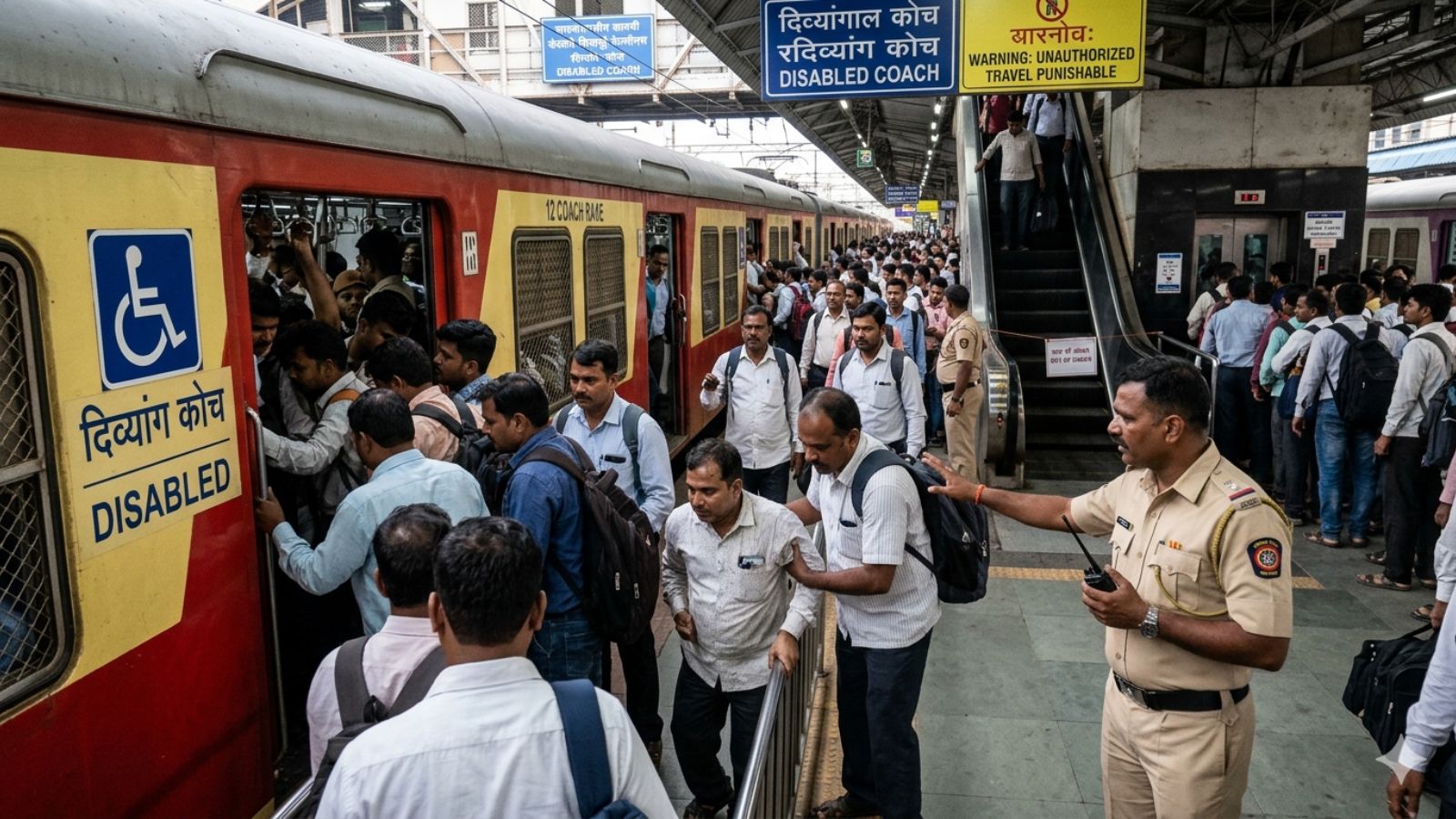
For thousands of disabled people in Mumbai, the daily commute on local trains is a dangerous and stressful experience. Although the railway system provides reserved coaches for people with disabilities, these spaces are frequently taken over by able-bodied passengers. This overcrowding makes it very hard for those who truly need the space to board or travel safely. Despite laws meant to protect their rights, many disabled commuters feel that the system is failing them every single day.
Main Impact
The primary impact of this issue is the loss of safety and dignity for disabled travelers. When unauthorized people fill the reserved coaches, it creates a physical barrier that prevents disabled individuals from even entering the train. This often leads to people missing work, arriving late for medical appointments, or facing physical injury in the crush of the crowd. The situation also places a heavy mental burden on commuters who must fight for a space that is legally theirs.
Key Details
What Happened
Every day during peak travel hours, the Mumbai suburban railway becomes extremely crowded. In the rush to get home or to work, many general passengers ignore the signs on the "Divyang" (disabled) compartments. They jump into these coaches because they are often less packed than the general ones. Once inside, these passengers often refuse to move, even when asked by disabled commuters or railway staff. This behavior has turned a service meant for accessibility into a source of conflict and frustration.
Important Numbers and Facts
The Mumbai local train network is one of the busiest in the world, carrying more than 7.5 million people every day. Within this massive system, only a tiny fraction of the space is set aside for people with disabilities. Usually, a train with 12 or 15 coaches only has two small sections for disabled riders. While the Railway Protection Force (RPF) catches and fines thousands of people every year for traveling in these reserved areas, the problem continues. The fines are often seen as too small to discourage people from breaking the rules during the heavy rush.
Background and Context
The Mumbai suburban railway is often called the "lifeline" of the city. For most residents, it is the only way to travel long distances quickly and cheaply. Because the city is so crowded, the demand for space on trains is much higher than what the trains can hold. In 2016, India passed the Rights of Persons with Disabilities Act. This law says that public transport must be easy to use for everyone. However, making this a reality in a city as busy as Mumbai has proven to be very difficult. The physical design of the stations, including high gaps between the platform and the train, adds another layer of difficulty for those with mobility issues.
Public or Industry Reaction
Disabled rights activists have been vocal about the lack of enforcement. They argue that the railway authorities need to do more than just collect fines. Many suggest that there should be permanent staff or security guards stationed at the doors of these coaches during busy hours. On social media, many disabled commuters share photos and videos of crowded reserved coaches to show the reality of their struggle. Meanwhile, some regular passengers claim they enter these coaches by mistake or out of desperation because the general compartments are dangerously full. However, railway officials state they are doing their best with limited staff to manage millions of riders.
What This Means Going Forward
If the situation does not improve, the railway system will remain inaccessible to a large part of the population. Moving forward, the government may need to look at better technology to solve the problem. This could include installing clearer alarms, better signage, or even using CCTV cameras to identify repeat offenders. There is also a push for more awareness programs to teach the general public about why these spaces must remain free. Without a change in both enforcement and public behavior, the daily commute will continue to be a barrier for disabled people seeking to lead independent lives.
Final Take
A city’s transport system should work for everyone, regardless of their physical ability. While Mumbai’s trains are a marvel of movement, they currently fail to provide a safe environment for disabled citizens. Real change will require more than just rules on paper; it requires a shift in how the public views shared spaces and a stronger commitment from the authorities to protect those who are most at risk.
Frequently Asked Questions
Why are there reserved coaches on Mumbai trains?
Reserved coaches are designed to provide a safe and accessible space for people with disabilities, cancer patients, and senior citizens, ensuring they can travel without the risks found in general compartments.
What are the penalties for traveling in a reserved coach?
Passengers caught traveling in a disabled coach without a valid reason can be fined or even face short-term jail time under the Railways Act, though enforcement remains a challenge during peak hours.
How can the situation be improved for disabled commuters?
Improvements could include more security staff at platforms, better physical barriers to prevent unauthorized entry, and public education campaigns to encourage empathy among general passengers.



