
Summary
The Mumbai-Pune Expressway, one of India's busiest highways, has closed for the first time during the monsoon season due to a critical missing link. This closure affects thousands of daily commuters and highlights a long-standing infrastructure gap. The missing section, a 12-kilometer stretch through the ghats, has been prone to landslides and accidents. Its closure underscores the urgent need for a permanent solution to ensure safe and uninterrupted travel between the two major cities.
Main Impact
The monsoon closure of the Mumbai-Pune Expressway's missing link has caused significant disruption for travelers. Commuters now face longer travel times and detours through older, more congested routes. This development also raises safety concerns, as the missing link area is known for its steep terrain and heavy rainfall. The closure is a clear signal that the current infrastructure cannot handle monsoon conditions, affecting both daily commuters and the logistics sector that relies on this route for goods transport.
Key Details
What Happened
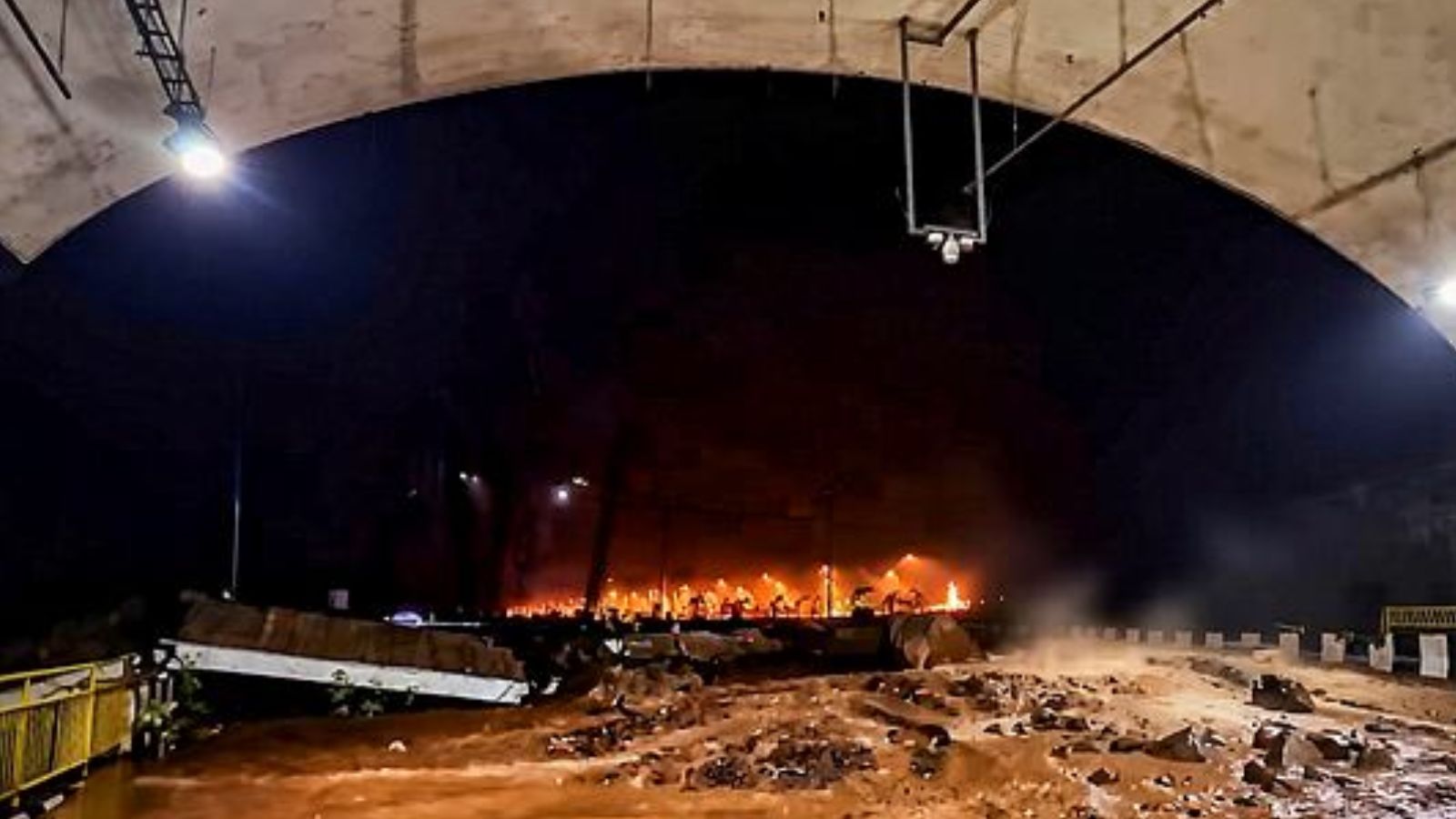
The Mumbai-Pune Expressway, which normally operates year-round, has been closed for the first time during the monsoon season. The closure specifically affects the missing link—a 12-kilometer stretch between Khopoli and Sinhagad. This section is part of the expressway's original plan but was never completed due to land acquisition and environmental issues. The closure was triggered by heavy rainfall and the risk of landslides, making the road unsafe for travel.
Important Numbers and Facts
The missing link is 12 kilometers long. The expressway itself is 93 kilometers in total. The closure began on July 5, 2026, and is expected to last until the monsoon season ends in September. Over 100,000 vehicles use the expressway daily. The detour route via the old Mumbai-Pune highway adds about 30 kilometers and 1-2 hours of travel time. Landslides have been reported in the area, with at least three incidents in the past week alone.
Background and Context
The Mumbai-Pune Expressway was opened in 2002 to reduce travel time between India's financial capital and its cultural hub. However, the missing link was never built due to disputes over land and environmental clearances. This gap forces traffic to use a winding, older road through the ghats, which is dangerous during monsoons. The issue has been debated for years, but no permanent solution has been implemented. The current closure brings this long-standing problem back into focus.
Public or Industry Reaction
Commuters have expressed frustration over the sudden closure, with many reporting long delays and safety concerns. The logistics industry, which relies on the expressway for fast delivery, has warned of increased costs and delays. Local authorities have urged patience and advised travelers to use alternative routes. Environmental groups have called for a more sustainable solution that balances infrastructure needs with ecological protection. The Maharashtra government has promised to fast-track the missing link project, but no timeline has been given.
What This Means Going Forward
The closure highlights the urgent need to complete the missing link. Without it, the expressway cannot function safely during monsoons. This could lead to permanent seasonal closures, affecting the economy and daily life. The government must address land acquisition and environmental concerns quickly. In the short term, better warning systems and alternative routes are needed. Long-term, the missing link must be built with proper drainage and landslide protection to withstand monsoon conditions.
Final Take
The first monsoon closure of the Mumbai-Pune Expressway's missing link is a wake-up call. It shows that incomplete infrastructure can cause major disruptions and safety risks. The solution is clear: complete the missing link with proper planning. Until then, commuters and businesses will continue to face uncertainty every monsoon season.
Frequently Asked Questions
Why is the Mumbai-Pune Expressway closed during monsoon?
The expressway is closed because the missing link—a 12-kilometer stretch through the ghats—is prone to landslides and flooding during heavy rain. This makes the road unsafe for travel.
How long will the closure last?
The closure is expected to last until the monsoon season ends, typically around September 2026. The exact reopening date depends on weather conditions and safety assessments.
What are the alternative routes for commuters?
Commuters can use the old Mumbai-Pune highway, which adds about 30 kilometers and 1-2 hours of travel time. Other options include taking trains or using the Mumbai-Pune railway line for faster travel.



