
Summary
The Mumbai Press Club, a major hub for journalists in the city, recently received a threatening email that sparked an immediate police response. After a preliminary check, authorities determined the threat was a hoax intended to cause panic. Local police and cybercrime experts have now launched a formal investigation to track down the sender. This incident highlights the growing trend of digital threats against media organizations and the need for better online security.
Main Impact
The primary impact of this hoax is the unnecessary strain it places on law enforcement and the sense of unease it creates within the media community. When a high-profile location like the Mumbai Press Club receives a threat, the police must treat it with the highest level of seriousness. This involves deploying bomb disposal squads, increasing patrols, and diverting technical experts from other cases to verify the claim. While no physical harm occurred, the psychological impact on staff and members is significant, as it disrupts the safe environment required for journalistic work.
Key Details
What Happened
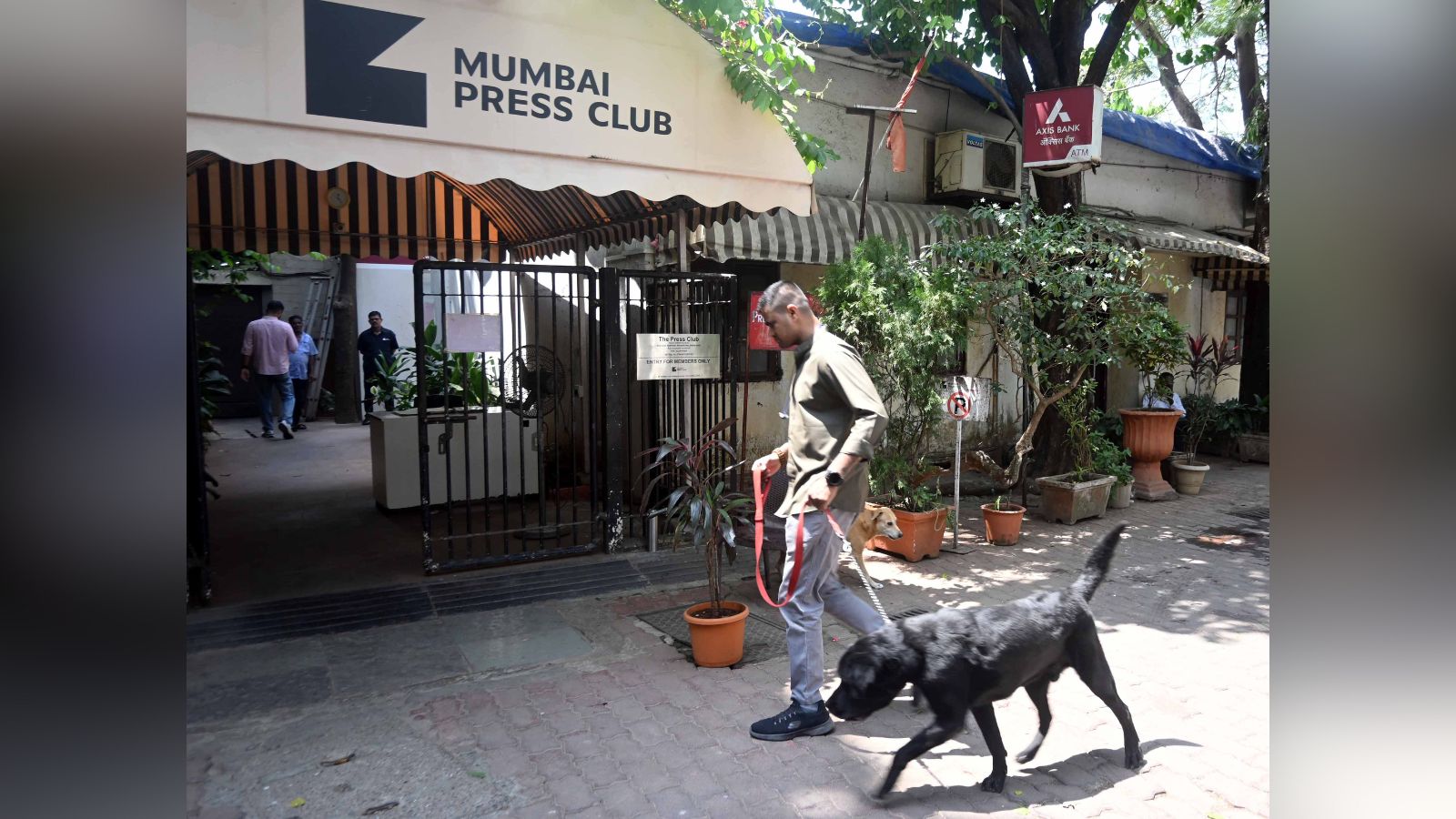
The incident began when an official at the Mumbai Press Club discovered a disturbing message in the organization’s primary email inbox. The sender used threatening language that suggested a potential attack on the premises. Recognizing the danger, the club management immediately contacted the Mumbai Police. Officers from the local police station, along with specialized units, arrived at the scene to secure the area and conduct a thorough sweep of the building. After finding no suspicious items, the threat was declared a hoax.
Important Numbers and Facts
The threat was reported during standard working hours, leading to a temporary evacuation of the premises. Police have registered a case under relevant sections of the law that deal with criminal intimidation and public mischief. Cyber investigators are currently analyzing the metadata of the email, including the IP address and the service provider used by the sender. In recent months, Mumbai has seen a rise in hoax calls and emails targeting schools, airports, and now media centers, leading to a zero-tolerance policy from the city’s police department.
Background and Context
The Mumbai Press Club is more than just a building; it is a historic institution where reporters, editors, and photographers gather to share news and hold press conferences. Located in the heart of the city near major government offices, it serves as a symbol of the free press. Threats against such institutions are often seen as attempts to intimidate the media or gain attention through shock tactics. In a digital age, sending a fake threat has become a common way for individuals to cause widespread disruption with very little effort, though the legal consequences for such actions are severe.
Public or Industry Reaction
The media community in Mumbai has reacted with a mix of concern and frustration. Many journalists believe that these hoaxes are designed to distract them from their work or to test the response times of security forces. The management of the Mumbai Press Club has called for a swift investigation to ensure that the person responsible is caught and punished. They emphasized that the safety of their members is their top priority and that they will continue to work closely with the police to upgrade their security protocols. Public sentiment on social media has also been supportive, with many calling for stricter punishments for those who waste police resources with fake threats.
What This Means Going Forward
Moving forward, this incident will likely lead to stricter digital security measures for media houses across the city. The police are expected to use advanced tracking tools to identify the origin of the email, even if the sender used a virtual private network or other masking tools. There is also a push for better coordination between email service providers and law enforcement to speed up the identification process in hoax cases. For the Mumbai Press Club, this may mean more visible security and a more rigorous screening process for digital communications to prevent similar scares in the future.
Final Take
Hoax threats are a serious crime that can have real-world consequences, even if no physical violence occurs. By targeting a central institution like the Mumbai Press Club, the sender attempted to strike at the heart of the city's media landscape. The quick response by the Mumbai Police shows that the authorities are ready to handle such challenges, but the focus must now shift to finding the culprit to prevent others from attempting similar acts of digital harassment.
Frequently Asked Questions
What is a hoax threat?
A hoax threat is a fake warning about a dangerous event, such as a bomb or an attack, intended to cause fear or disruption when no real danger exists.
What are the legal consequences for sending a fake threat?
In India, sending a hoax threat can lead to criminal charges, including jail time and heavy fines, under laws related to criminal intimidation and spreading false information.
How do police track the sender of a threatening email?
Police use cyber forensics to track the IP address, device information, and the digital path the email took from the sender to the recipient.



