
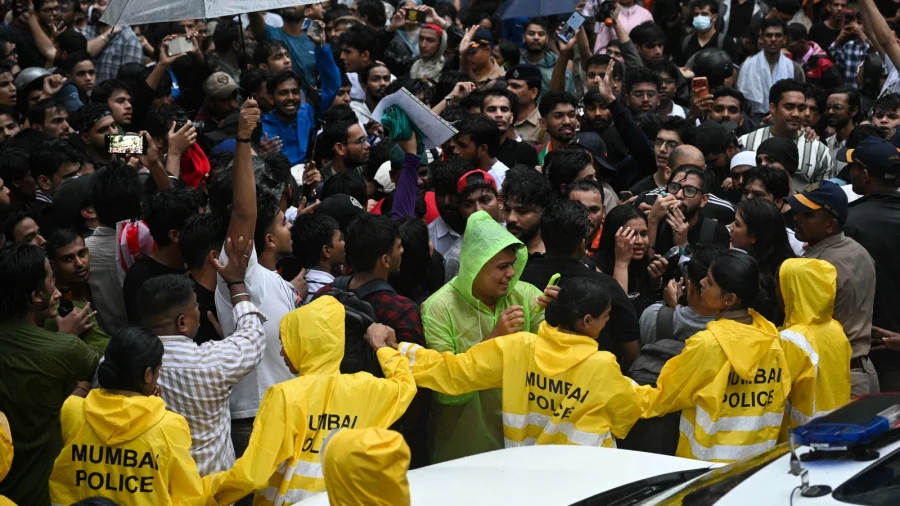
Mumbai Police took an unusual step to keep students away from protests linked to the Common University Entrance Test (CUET) and other issues, issuing an advisory that asked them to stay home and share their live locations. The directive, aimed at preventing unrest, has ignited a debate over privacy and state overreach.
What the Police Advisory Said
The advisory, circulated through local police stations and social media, urged students to remain indoors and voluntarily share their live location with authorities via designated phone numbers or apps. Officials said the measure was to ensure student safety and prevent any law-and-order breakdown during planned protests by student groups.
Why Students Were Targeted
The protests, organized by student bodies over exam delays and policy changes, had drawn significant attention. Police feared that large gatherings could lead to clashes or disruptions. By asking students to stay home and share locations, authorities aimed to monitor movements and deter participation without resorting to arrests.
How the Advisory Unfolded
The directive was issued days before the scheduled protests, with police reaching out to college administrations and student leaders. Some students reported receiving calls or messages from local police stations asking them to comply. The move was framed as a preventive measure, but many saw it as a form of intimidation.
Human Impact: Students Caught in the Middle
For students like Priya, a 20-year-old from a Mumbai college, the advisory created confusion and fear. "We were told to share our location or face consequences. It felt like we were being treated as criminals," she said. Others worried about privacy violations, with some choosing to stay home out of caution.
Official Response and Justification
Mumbai Police officials defended the advisory, stating it was a voluntary measure to protect students. "Our intent was not to restrict freedom but to ensure safety. We have seen protests turn violent in the past," a senior officer said. The police emphasized that no punitive action was taken against those who refused to comply.
Analysis: A New Tool for Crowd Control?
The use of live location sharing as a protest deterrent marks a shift in policing tactics. While technology can aid in monitoring, it raises questions about consent and data security. Experts argue that such measures could set a precedent for future protests, blurring the line between safety and surveillance.
Confirmed Facts vs What Remains Unclear
Confirmed: Mumbai Police issued an advisory asking students to stay home and share live locations. The directive was voluntary and aimed at preventing protests. Unclear: Whether any student faced legal action for non-compliance. The full scope of the monitoring—such as how location data was stored or used—remains unspecified by authorities.
Risks and Balanced View
Supporters of the advisory argue it prevented potential violence and kept students safe. Critics, however, see it as an infringement on civil liberties. Privacy advocates warn that location sharing could be misused, while legal experts question its legality under Indian law, which requires a court order for surveillance.
Wider Trend: Policing Protests in the Digital Age
This incident reflects a broader trend of authorities using digital tools to manage dissent. From social media monitoring to location tracking, governments worldwide are adopting tech-driven crowd control. In India, similar measures have been used during farmer protests and anti-CAA demonstrations, sparking ongoing debates.
Practical Guidance for Students
Students who receive such advisories should verify the source and understand their rights. They can refuse to share location data if not legally mandated, but should remain aware of potential consequences. Consulting a legal aid group or student union can provide clarity. Staying informed about protest laws in Maharashtra is also advisable.
Future Outlook
The advisory may face legal challenges from civil rights groups, who could argue it violates Article 19 (freedom of assembly) and privacy rights under the Puttaswamy judgment. Police may refine the approach based on public backlash. For now, the move signals a new chapter in protest policing in Mumbai.
Our Take
This story is not just about a police advisory—it’s about the evolving balance between security and freedom in a digital democracy. While safety is paramount, the use of location sharing without clear legal safeguards risks normalizing surveillance. The real test will be whether authorities use such tools transparently and whether citizens can hold them accountable.
Frequently Asked Questions
What did Mumbai Police ask students to do during the CJP protests?
Mumbai Police advised students to stay home and share their live location with authorities to prevent participation in protests, citing safety concerns.
Is sharing live location with police mandatory?
No, the advisory was voluntary. Police said no punitive action was taken against those who refused, but students reported feeling pressured to comply.
Can police legally ask for live location without a warrant?
Under Indian law, surveillance typically requires a court order. However, voluntary sharing of location may not be illegal, though it raises privacy concerns.
What should students do if they receive such an advisory?
Students should verify the source, understand their rights, and consult legal aid or student unions if unsure. They can refuse if not legally mandated.



