
Summary
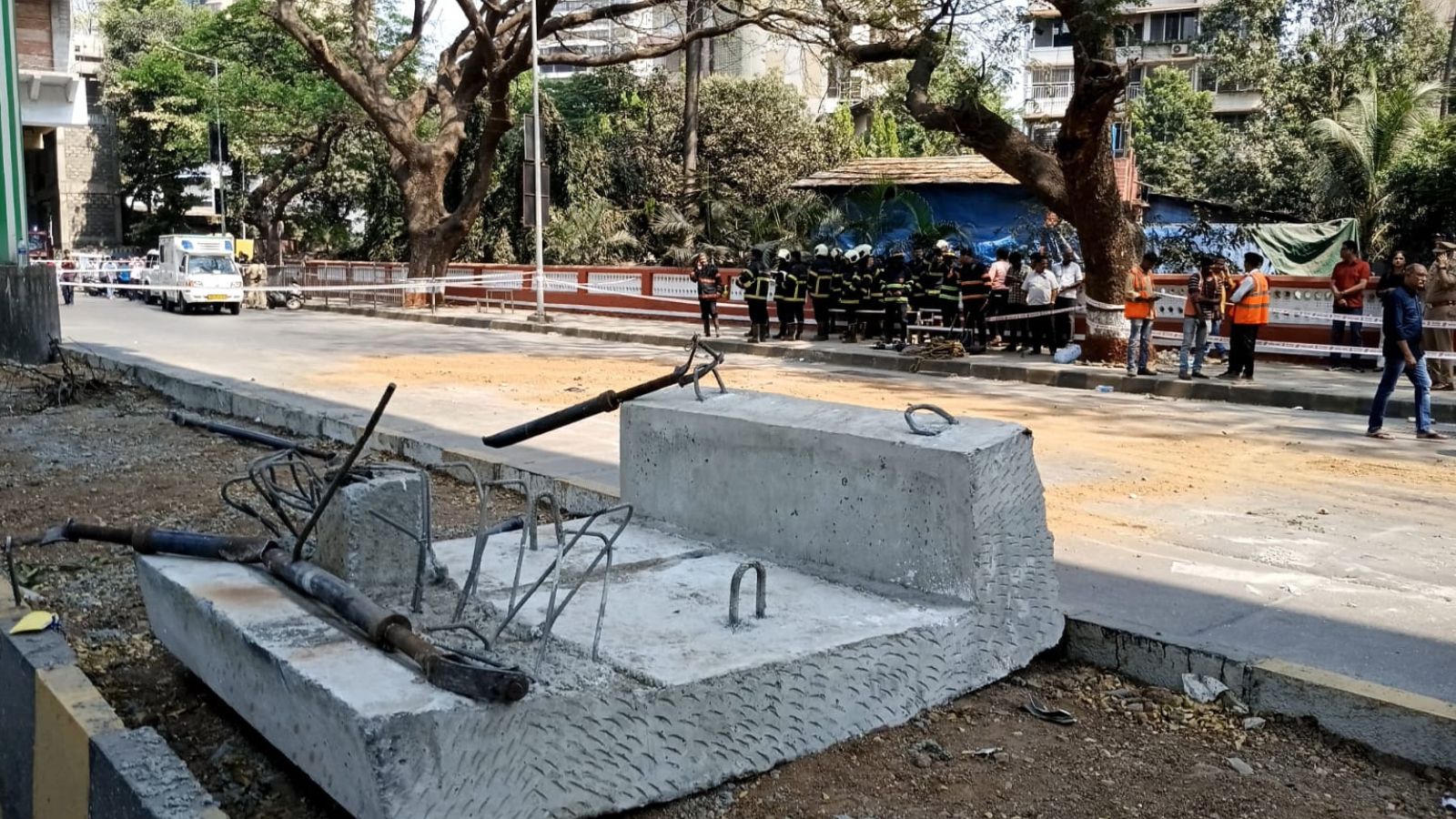
It has been exactly one month since a serious accident occurred at a Mumbai Metro station, where a portion of a parapet wall collapsed onto the street below. While the initial news coverage has faded, the reality remains grim for two victims who are still receiving treatment in the hospital. This incident has sparked a wider conversation about the safety of public transport buildings and the long-term support provided to those injured in such accidents. The slow recovery of these individuals serves as a reminder of the lasting damage caused by infrastructure failures.
Main Impact
The primary impact of this collapse is felt most deeply by the victims and their families, whose lives have been put on hold for over thirty days. Beyond the physical pain, the accident has created a heavy financial and emotional burden. For the city of Mumbai, the event has damaged public trust in the safety of the Metro system, which millions of people use every day. It highlights a critical gap between the rapid construction of new transport lines and the ongoing maintenance required to keep them safe for everyone.
Key Details
What Happened
The accident took place during a busy time of day when a heavy piece of the concrete parapet—the protective wall along the edge of the station structure—suddenly broke loose. The debris fell from a significant height, striking people who were walking near the station entrance. Emergency services arrived quickly to move the injured to nearby hospitals, but the severity of the injuries meant that a simple check-up was not enough. One month later, two of those individuals have not yet been discharged because their injuries require constant medical supervision and multiple surgeries.
Important Numbers and Facts
The incident occurred 30 days ago, and since then, the two victims have undergone several operations to repair broken bones and internal injuries. Reports indicate that the medical bills have already reached several lakhs of rupees. While the Metro authorities initially promised to cover the costs, the families have faced challenges in getting the paperwork processed quickly. Safety inspectors found that the collapsed section weighed several kilograms, enough to cause fatal injuries if it had hit someone directly on the head. Since the accident, authorities have checked over 20 other stations to ensure no other walls are loose.
Background and Context
Mumbai is a city that relies heavily on its rail networks. The Metro was built to provide a modern, safe, and fast way to travel, helping to reduce the pressure on the old suburban railway system. Because these structures are relatively new, the public expects them to be built to the highest safety standards. When a part of a new station falls off, it causes a lot of worry. People start to wonder if the materials used were of good quality or if the inspections during construction were handled properly. In a city with heavy monsoon rains and high humidity, the strength of concrete structures is always a concern.
Public or Industry Reaction
The reaction from the public has been one of anger and concern. Many regular commuters have taken to social media to share photos of other stations where they see cracks or water leaks, fearing that another accident could happen. Local community leaders have called for a more transparent investigation into why the wall fell. On the industry side, engineers are looking into whether the design of the parapet was flawed or if the bonding material failed over time. There is also a strong demand for the Metro operators to provide a clearer plan for how they will support victims of such accidents in the future, rather than just offering a one-time payment.
What This Means Going Forward
Moving forward, the focus must stay on two areas: the health of the victims and the safety of the infrastructure. The Metro authorities need to ensure that the two people still in the hospital receive the best possible care without worrying about the cost. For the rest of the city, there must be a strict and regular schedule for checking every inch of the Metro stations. This includes using better technology to find cracks that the human eye might miss. If the authorities do not take visible steps to fix these issues, people may feel unsafe using the stairs and walkways near the stations.
Final Take
A city's progress is not just measured by how fast its trains move, but by how well it protects its citizens. The fact that two people are still in the hospital a month after a simple walk past a station shows that safety must always come before speed. True accountability will only be reached when the victims are fully recovered and the public can walk under a Metro station without looking up in fear.
Frequently Asked Questions
Why are the victims still in the hospital after a month?
The victims suffered serious orthopedic and internal injuries that required multiple surgeries. Their recovery process is slow, and they need professional medical care to prevent infections and ensure their bones heal correctly.
Has the Metro authority paid for the medical expenses?
The authorities promised to cover the costs, but the families have reported that the process is slow. While some initial payments were made, the ongoing costs of long-term hospital stays are still a major concern for the families involved.
Is the Mumbai Metro safe to use now?
Authorities have conducted safety audits at several stations following the accident to fix loose parts. However, commuters are advised to stay alert, and many are calling for more frequent and public safety reports to prove the structures are secure.



