
Summary
Mumbai is famous for its historic restaurants, but a growing crisis involving Liquefied Petroleum Gas (LPG) is putting these iconic spots at risk. Many traditional eateries are struggling to get a steady supply of gas cylinders or are being forced to change how they cook due to new safety rules. This shift is making it harder for long-standing businesses to keep their doors open and serve the food that generations of locals have grown to love. The situation highlights a difficult balance between maintaining city safety and preserving the culinary history of the region.
Main Impact
The primary impact of this gas crisis is a sudden increase in daily operating costs for restaurant owners. Many iconic kitchens in South Mumbai were built decades ago and rely entirely on commercial LPG cylinders to power their high-heat stoves. As authorities tighten rules on how these cylinders are stored and delivered, some restaurants have faced temporary closures or have been forced to reduce their menus. This change does not just affect the owners; it also impacts the workers and the loyal customers who find that their favorite dishes are becoming more expensive or are no longer available.
Key Details
What Happened
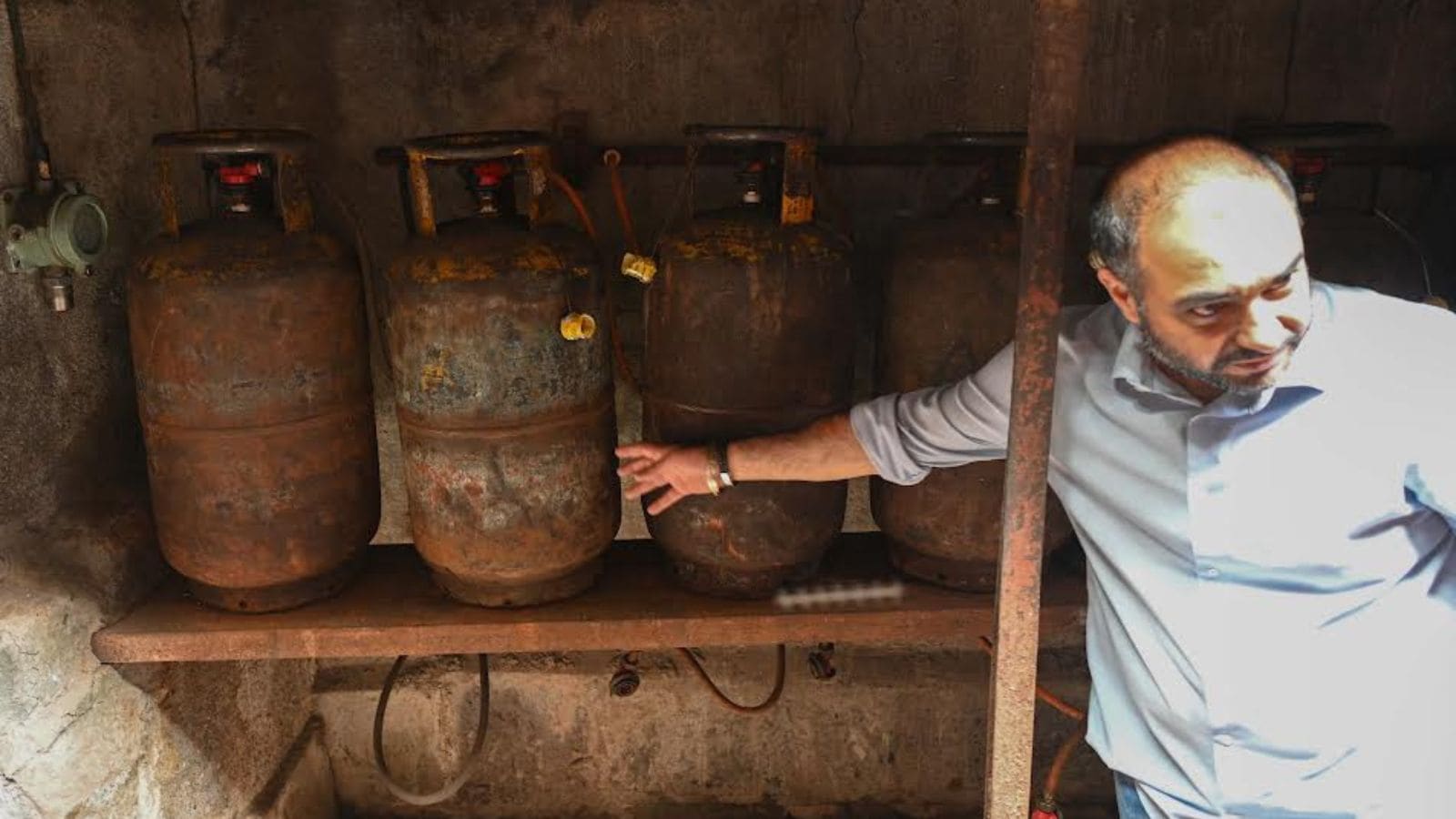
In recent months, city officials and fire safety departments have increased inspections across Mumbai. They are focusing on old buildings where many famous restaurants operate. These buildings often have narrow hallways and wooden structures, making the storage of multiple large gas cylinders a major fire risk. Because of these safety concerns, many businesses have been told they can no longer use bulk LPG cylinders. Instead, they are being asked to switch to Piped Natural Gas (PNG) or electric cooking methods. However, installing these new systems is expensive and takes a long time because the city's infrastructure is old and crowded.
Important Numbers and Facts
The cost of a commercial LPG cylinder has seen several price changes over the last year, making it hard for small businesses to plan their budgets. Some restaurant owners report that switching to a piped gas system can cost several lakhs of rupees, a price many cannot afford after the losses of the past few years. Additionally, the wait time for a new piped gas connection in older parts of the city can stretch from six months to over a year. During this waiting period, some restaurants are left with no legal way to cook their food, leading to a complete stop in business.
Background and Context
To understand why this is such a big problem, one must look at how Mumbai’s food culture works. Many of the city's most famous cafes and lunch homes have been using the same cooking methods for over 50 years. These kitchens were designed for gas flames, which provide the intense heat needed for traditional Indian and Parsi cooking. Moving to electric stoves is not just a matter of buying new equipment; it often changes the taste and texture of the food. Furthermore, the narrow lanes of areas like Colaba and Fort make it very difficult for gas trucks to deliver cylinders safely, which is why the government is pushing for a move toward piped gas.
Public or Industry Reaction
Restaurant associations in Mumbai have expressed deep concern over the speed of these changes. While they agree that safety is important, they argue that the government should provide more help to heritage businesses. Owners of these iconic spots feel they are being treated the same as large, modern food chains that have more money to spend on upgrades. Customers have also started to notice the changes. Many regular diners worry that if these small restaurants are forced to spend too much on new equipment, they will eventually have to close down forever, taking a piece of the city's history with them.
What This Means Going Forward
The future of Mumbai’s dining scene depends on how quickly the city can update its gas lines. If the government speeds up the installation of piped gas, more restaurants might survive this transition. However, if the rules remain strict without providing a clear path for help, we may see more historic spots shutting down. Some owners are looking into "green" alternatives like induction cooking, but the high cost of electricity in the city makes this a difficult choice for a business that runs stoves for 12 to 15 hours a day. The next few months will be a testing time for the city's oldest kitchens.
Final Take
Safety in a crowded city like Mumbai must always come first, but it should not come at the cost of losing the city’s soul. These iconic restaurants are more than just places to eat; they are landmarks that tell the story of the people who live there. Finding a way to provide safe, affordable, and steady energy to these kitchens is the only way to ensure that the flames of Mumbai’s culinary tradition do not go out for good. A balance between modern safety standards and the needs of small, historic businesses is needed now more than ever.
Frequently Asked Questions
Why are Mumbai restaurants facing an LPG crisis?
The crisis is caused by stricter fire safety rules that limit the use of gas cylinders in old buildings, along with delays in installing piped gas lines in crowded areas.
Can these restaurants just switch to electric stoves?
While some are trying, it is very expensive to buy new equipment and pay for higher electricity bills. Also, many chefs believe electric cooking changes the taste of traditional dishes.
How does this affect the price of food?
As the cost of fuel and new equipment goes up, many restaurant owners are forced to increase their menu prices to stay in business, making meals more expensive for customers.



