
Summary
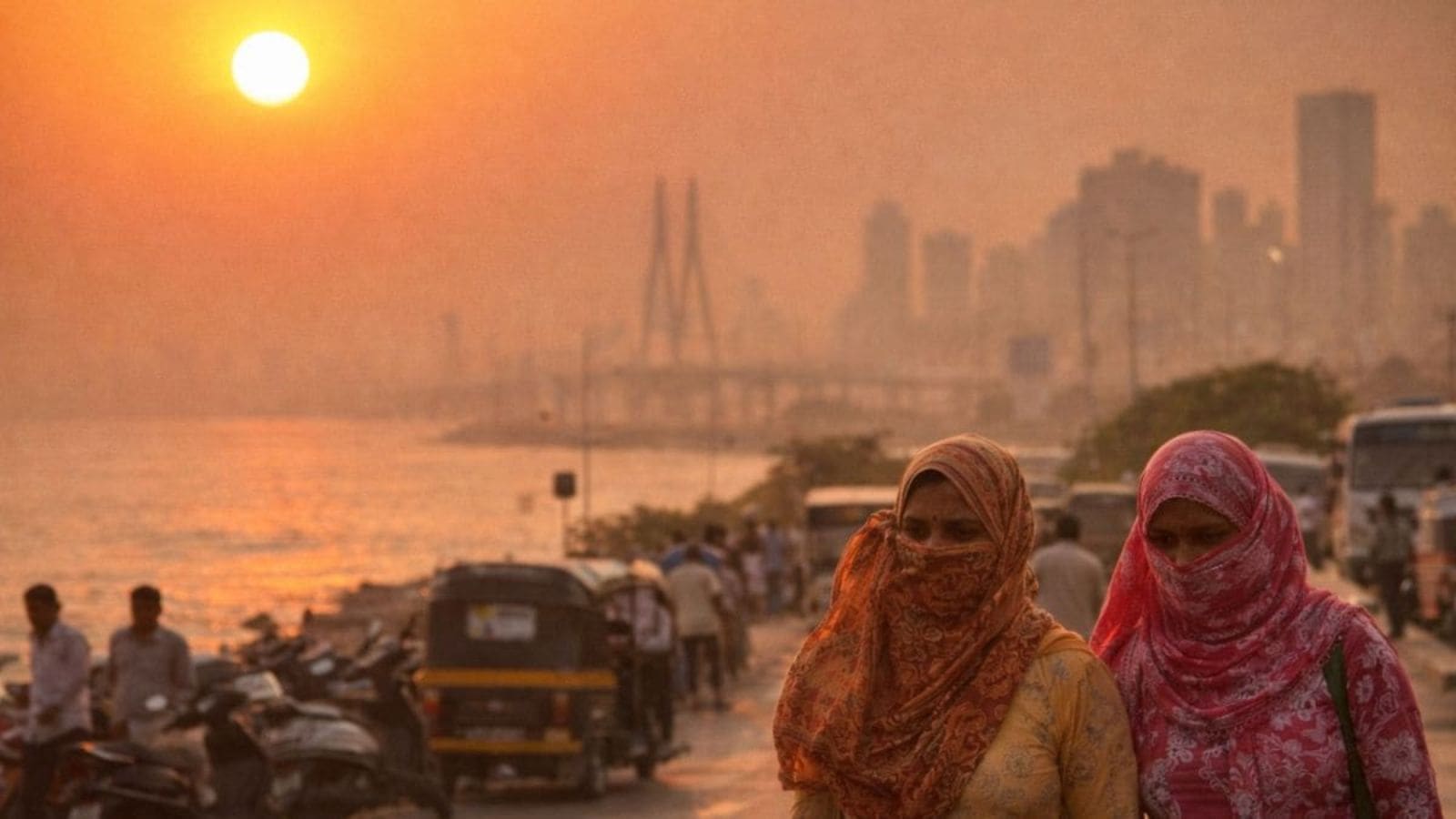
Mumbai is currently facing a period of intense heat and high humidity. The India Meteorological Department (IMD) has issued a yellow alert for the city, warning residents about uncomfortable weather conditions. This alert serves as a signal for people to be aware of rising temperatures that could impact their health and daily routines. With the heat index expected to climb, staying hydrated and avoiding direct sun exposure have become top priorities for everyone in the region.
Main Impact
The primary impact of this weather alert is the increased risk to public health. When high temperatures combine with high humidity, the human body finds it much harder to cool itself down. Normally, we cool off when our sweat evaporates into the air. However, when the air is already full of moisture, sweat does not evaporate quickly. This can lead to heat exhaustion, dehydration, and in severe cases, heatstroke. Outdoor workers, the elderly, and young children are the most vulnerable to these conditions.
Key Details
What Happened
The IMD decided to sound a yellow alert after observing a steady rise in daytime temperatures across Mumbai and its neighboring districts. A yellow alert is a formal way of telling the public to "be aware" of the weather. It is not as severe as a red alert, but it indicates that the weather could become hazardous for those who do not take the right precautions. The current weather pattern is caused by a lack of sea breezes and hot winds blowing from the land toward the coast.
Important Numbers and Facts
Weather stations in areas like Santacruz and Colaba have recorded temperatures ranging between 37 and 39 degrees Celsius. While these numbers are high, the "real feel" temperature is much higher because of the humidity levels, which are hovering around 60% to 70%. Meteorologists predict that these conditions will persist for the next few days. Historically, April is one of the hottest months for the city, but these specific spikes are often 2 to 4 degrees above the normal average for this time of year.
Background and Context
Mumbai is a coastal city, which means it naturally deals with moisture from the Arabian Sea. During the summer months, the city often experiences a "sauna effect" where the air feels thick and heavy. In recent years, the city has also seen the effects of the "urban heat island" phenomenon. This happens because Mumbai has many concrete buildings, tar roads, and very few open green spaces. These materials soak up heat during the day and release it slowly at night, keeping the city warm even after the sun goes down. This makes it difficult for the city to cool off, leading to prolonged periods of discomfort for residents.
Public or Industry Reaction
Health experts and doctors in the city are already reporting an increase in patients complaining of headaches, dizziness, and fatigue. Medical professionals are urging people to drink plenty of water, even if they do not feel thirsty. On social media, many residents are expressing their frustration with the heat, noting that it feels much earlier and more intense than in previous years. Local businesses that rely on outdoor foot traffic, such as street vendors and open-air markets, are seeing fewer customers during the peak afternoon hours as people choose to stay indoors where it is cooler.
What This Means Going Forward
As these heatwaves become more common, the city may need to change how it operates during the summer. This could include shifting school hours to earlier in the morning or providing more "cooling centers" for people who do not have air conditioning at home. There is also a growing pressure on the city's power grid. As more people turn on fans and air conditioners to stay cool, electricity demand spikes, which can sometimes lead to power cuts. In the long term, city planners are looking at ways to plant more trees and use building materials that reflect sunlight instead of absorbing it.
Final Take
The yellow alert in Mumbai is a reminder that the summer season is becoming more challenging to manage. While the city is used to warm weather, the combination of extreme heat and high humidity requires everyone to be more careful. By following simple health advice and staying informed about weather updates, residents can protect themselves from the worst effects of this heatwave. Taking small steps now can prevent serious health problems later.
Frequently Asked Questions
What does a yellow alert mean for weather?
A yellow alert is a warning from the weather department to "be aware." it means the weather is not yet at a dangerous level for everyone, but it could cause problems for vulnerable people or those who stay outside for too long.
How can I stay safe during hot and humid days?
The best way to stay safe is to drink lots of water, wear light and loose cotton clothes, and stay indoors during the hottest part of the day, which is usually between 11 AM and 4 PM.
Why does humidity make the heat feel worse?
Humidity means there is a lot of water vapor in the air. This stops your sweat from evaporating. Since evaporation is how your body cools down, high humidity makes you feel much hotter and stickier than the actual temperature suggests.



