
Summary
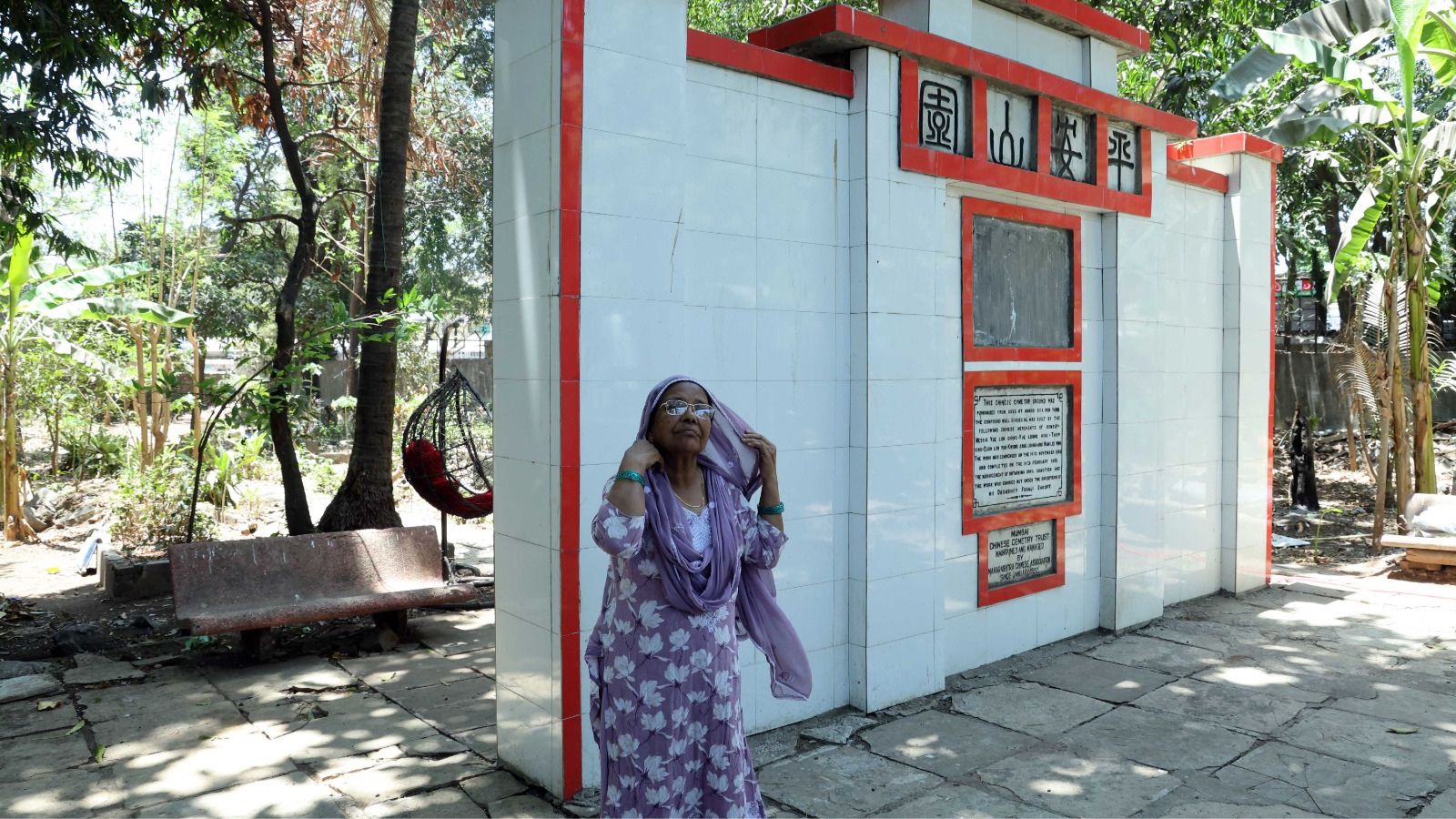
In the busy neighborhood of Antop Hill in Mumbai, a quiet Chinese shrine and cemetery stand as a rare link between India and China. This site tells the story of a Chinese community that once lived and worked in the city many years ago. It serves as a peaceful space that preserves the history of immigrants who helped build Mumbai’s diverse culture. Today, it remains a significant but often overlooked landmark that connects two of the world's most famous nations.
Main Impact
The presence of the Chinese cemetery and temple in Antop Hill highlights Mumbai’s long history as a place where different cultures meet. While the Chinese population in the city has become very small over time, this site keeps their legacy alive. It acts as a physical bridge between Indian and Chinese heritage, showing that the two countries have shared a deep connection through trade and migration for centuries. For the few Chinese families still living in Mumbai, this shrine is a vital center for their faith and identity.
Key Details
What Happened
The Chinese community in Mumbai established the Kwan Tai Shek Temple and the nearby cemetery to serve their spiritual and social needs. Over the years, as the city grew and changed, the area around Antop Hill became a hub for various religious burial grounds. The Chinese shrine remained a dedicated spot for honoring ancestors and practicing traditional rituals. Despite the political changes between India and China over the decades, the shrine has been maintained as a place of worship and quiet reflection.
Important Numbers and Facts
The history of Chinese settlers in Mumbai dates back to the late 18th century. At its peak, the community had thousands of members living in areas like Mazagaon, which was once known as the city's China Town. The temple is dedicated to Kwan Tai, who is respected as the god of protection, justice, and war. The cemetery contains dozens of graves, some of which are over a hundred years old. These graves feature traditional Chinese headstones with inscriptions that tell the names and origins of those buried there.
Background and Context
To understand why this shrine exists, one must look at Mumbai’s history as a major trading port. In the 1700s and 1800s, the city was a central point for the global tea and silk trade. Chinese sailors, traders, and workers began to settle in the city to find better jobs. They were known for their skills as carpenters, shoemakers, and dentists. They also opened some of the first authentic Chinese restaurants in India.
However, the community faced many challenges. After the border war between India and China in 1962, many Chinese residents were forced to leave or were sent to camps. This led to a major decline in the population. Those who stayed integrated into Indian society, but they continued to visit Antop Hill to keep their traditions alive. The shrine is one of the last remaining pieces of this original community.
Public or Industry Reaction
Local historians and heritage lovers often visit Antop Hill to study the unique architecture and history of the site. Many people in Mumbai are surprised to learn that such a place exists in their city. Visitors often describe the shrine as a place of extreme calm, standing in sharp contrast to the loud and crowded streets nearby. Cultural experts believe that the site is a "hidden gem" that deserves more attention from the government and the public to ensure it is not forgotten or damaged by urban development.
What This Means Going Forward
The future of the Antop Hill shrine depends on the efforts of the remaining Chinese families and local heritage groups. As the city of Mumbai continues to expand, there is a risk that small historical sites could be overlooked. Protecting this area is important for maintaining the city’s multicultural identity. It also serves as a reminder that even during times of political tension between nations, cultural and religious sites can remain symbols of peace and shared human history. There are calls to include the shrine in local heritage tours to help more people learn about its significance.
Final Take
The Chinese shrine at Antop Hill is more than just an old building or a graveyard. It is a living piece of Mumbai’s past that shows how people from different backgrounds can live together and contribute to a city's growth. By visiting and respecting this site, we honor the memory of those who traveled far from home to start a new life in India.
Frequently Asked Questions
Where is the Chinese shrine located in Mumbai?
The shrine and cemetery are located in the Antop Hill area, which is known for housing several different religious burial grounds.
Who is the temple dedicated to?
The temple is dedicated to Kwan Tai, a traditional Chinese deity who represents justice, loyalty, and protection.
Can anyone visit the site?
Yes, the site is generally open to visitors who wish to see the historical architecture and graves, provided they show respect for the religious nature of the space.



