
Summary
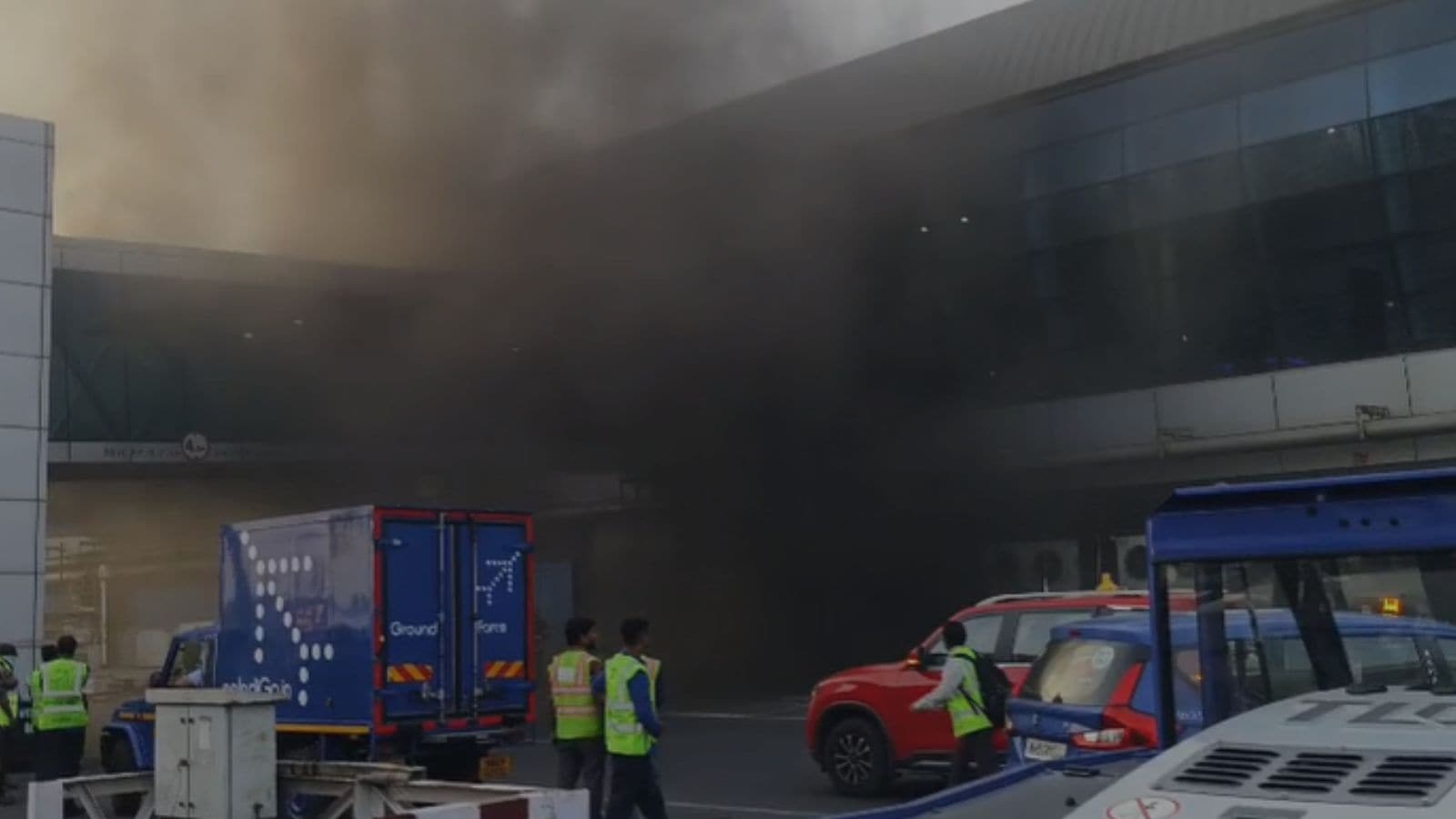
A fire broke out at Terminal 1 of the Mumbai airport after an electrical short circuit occurred in the building. The incident happened during a busy period, but emergency teams responded quickly to the situation. Fortunately, no passengers or airport staff members were injured during the event. While the fire was small, it led to some temporary changes in airport operations to ensure everyone remained safe.
Main Impact
The primary impact of the fire was the immediate disruption of domestic flight services. Terminal 1 at Chhatrapati Shivaji Maharaj International Airport (CSMIA) is a major hub for local travel, and any safety issue there affects thousands of people. When the smoke was first seen, airport officials had to stop check-in processes and move people away from the affected area. This caused a ripple effect, leading to delays for several scheduled flights throughout the morning.
Beyond the delays, the incident tested the airport's emergency response systems. The quick arrival of fire engines and the use of on-site safety equipment prevented the fire from spreading to other parts of the terminal. Although the physical damage was limited to a small area, the psychological impact on travelers was notable, as many expressed concern over the safety of the electrical systems in the older terminal building.
Key Details
What Happened
The fire started in a utility area near one of the boarding gates in Terminal 1. According to initial reports, thick smoke began to fill the hallway, triggering the airport's fire alarms. Security personnel from the Central Industrial Security Force (CISF) immediately began guiding passengers toward the exits. The airport fire service arrived within minutes and identified the source of the smoke as an electrical panel that had malfunctioned. They used specialized equipment to put out the flames and then used large fans to clear the smoke from the building.
Important Numbers and Facts
The incident occurred at approximately 11:00 AM, a time when many domestic flights are preparing for departure. At least three fire tenders were sent to the spot to handle the emergency. While no one was hurt, officials confirmed that operations in the specific wing of the terminal were paused for about 45 minutes. More than five domestic flights faced delays ranging from 30 minutes to an hour as a direct result of the safety checks that followed the fire.
Background and Context
Mumbai's airport is one of the busiest in the world. It has two main terminals: Terminal 1 and Terminal 2. Terminal 1 is the older part of the airport and is used mostly by domestic airlines like IndiGo and Akasa Air. Because this terminal has been in use for many years, maintaining its electrical and mechanical systems is a constant task for the management. Short circuits are a common cause of fires in large buildings, often happening when old wires get too hot or when there is a sudden surge in electricity.
Safety at airports is taken very seriously because of the high number of people in a confined space. In the past, Mumbai airport has conducted many fire drills to prepare for exactly this kind of situation. This preparation helped the staff stay calm and follow the correct steps to protect the public today. The last major safety concern at this terminal happened a few years ago, which led to a series of upgrades in the fire detection systems.
Public or Industry Reaction
Passengers at the terminal quickly took to social media to share photos and videos of the smoke. Many praised the airport staff for their calm behavior, while others complained about the lack of clear information during the first few minutes of the scare. Travel experts have pointed out that while the response was good, the fact that a short circuit happened at all suggests that the building's wiring may need a more thorough inspection.
Airlines operating out of Terminal 1 issued statements asking passengers to check their flight status before heading to the airport. They worked closely with the airport authorities to resume normal boarding as soon as the fire department gave the "all clear" signal. Industry leaders have noted that such incidents can hurt the reputation of an airport if they happen frequently, making regular maintenance even more important.
What This Means Going Forward
Following this incident, the airport management is expected to conduct a full safety audit of Terminal 1. This means engineers will check all the electrical panels and wiring to make sure another short circuit does not happen. There may be temporary closures of certain sections of the terminal over the next few weeks as these inspections take place. For travelers, this serves as a reminder to always pay attention to safety briefings and know where the emergency exits are located.
The government may also ask for a report on the age of the equipment used in the terminal. If the wiring is found to be outdated, a major project to replace the electrical grid within the building might be launched. This would be a large task but is necessary to prevent future fires and ensure the long-term safety of the millions of people who fly through Mumbai every year.
Final Take
The fire at Mumbai Airport Terminal 1 was a serious reminder of how quickly things can go wrong in a busy public space. However, the lack of injuries shows that the emergency protocols currently in place are effective. The focus must now shift from emergency response to prevention. By investing in better maintenance and modern technology, the airport can make sure that a simple short circuit does not cause such a big disruption again.
Frequently Asked Questions
Was anyone hurt in the Mumbai airport fire?
No, there were no injuries reported. All passengers and staff were moved to safety quickly by the security teams and airport officials.
What caused the fire at Terminal 1?
The fire was caused by an electrical short circuit in a utility area. This led to smoke and a small fire that was quickly put out by the fire department.
Are flights still delayed at Mumbai airport?
Most flights returned to their normal schedules a few hours after the incident. However, it is always best to check with your airline for the most current information on your specific flight.



