
Summary
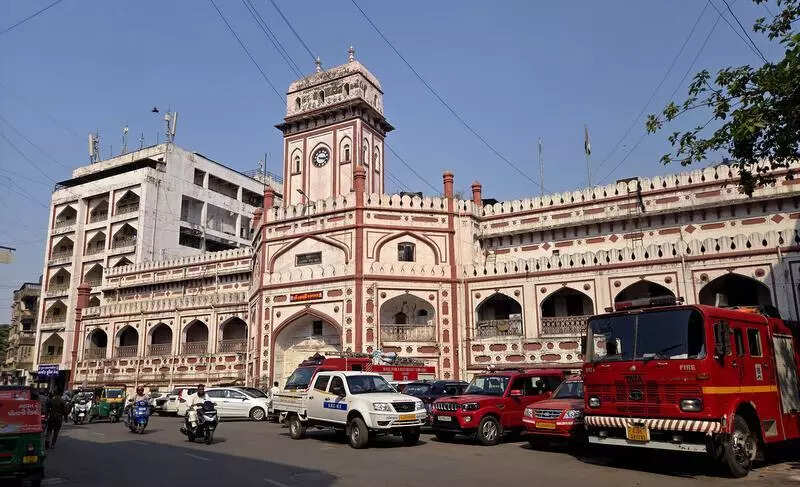
Mughal Sarai is a famous historic building in Surat, a city often called Tapi Town because it sits along the Tapi River. Built nearly 400 years ago, this structure was originally a guest house for travelers and people going on religious trips to Mecca. Today, it serves as the main office for the Surat Municipal Corporation, showing how the city keeps its history alive while moving into the modern age. It remains one of the most important symbols of the city's long and rich past.
Main Impact
The continued use of Mughal Sarai as a government office has a big impact on how people in Surat view their history. Instead of becoming a quiet museum that no one visits, the building is full of life every day. This helps the local community stay connected to the 17th century. It also shows that old buildings can still be useful in the modern world if they are cared for properly. By keeping the city's leaders inside these historic walls, Surat makes a statement about the value of its heritage and its identity as a major trade center from the Mughal era.
Key Details
What Happened
Mughal Sarai was built in 1644 during the rule of the Mughal Emperor Shah Jahan. It was commissioned by Ishaq Beg Yazdi, who was a high-ranking official in Surat at the time. The building was designed to be a "sarai," which is an old word for an inn or a resting place. Because Surat was the main port for people traveling to Mecca for the Hajj pilgrimage, the building was always full of visitors from different parts of the world. Over the centuries, the building changed hands many times. When the British took control of the area, they used the building as a jail and later as an army barrack. In 1867, it was turned into the headquarters for the local city government, and it has stayed that way ever since.
Important Numbers and Facts
The building is almost 380 years old and is considered a protected monument. It features a large central courtyard which was common in Islamic architecture to keep the air cool. The walls are very thick, made of stone and brick, which helps the building stay strong against the heat and rain. There are dozens of rooms that once housed travelers but now serve as offices for city officials. The entrance is marked by a massive gateway that shows the grand style of the Mughal period. In the mid-1800s, the city spent a significant amount of money to fix the building so it could be used for government work, ensuring it did not fall into ruin.
Background and Context
To understand why Mughal Sarai is so important, you have to look at the history of Surat. Hundreds of years ago, Surat was one of the richest and busiest ports in the world. It was the place where ships from Europe, Africa, and the Middle East came to trade spices, silk, and diamonds. Because so many people were coming and going, the city needed large buildings to house them. The Mughal rulers built several sarais, but this one is the most famous because of its size and beautiful design. It was known as the "Gateway to Mecca" because it was the last stop for many pilgrims before they got on ships. This religious and economic importance made the building a central part of the city's life for centuries.
Public or Industry Reaction
Local historians and residents of Surat take great pride in Mughal Sarai. Many people feel that the building represents the soul of the city. Heritage experts often praise the way the building has been maintained, though some argue that having hundreds of office workers inside every day puts a lot of stress on the old structure. There is a general feeling among the public that the building should eventually be turned into a full museum. They believe this would allow more people to see the beautiful carvings and old rooms without the noise of daily government business. However, most people agree that seeing the city's flag fly over such an old building is a powerful sign of continuity.
What This Means Going Forward
The city of Surat is growing very fast, and a new, modern office building is being planned for the municipal corporation. Once the government offices move to the new location, the future of Mughal Sarai will change. There are plans to restore the building to its original look and open it up more to tourists. This could help Surat become a bigger destination for people who love history and architecture. The challenge will be to fix the parts of the building that have been damaged by modern additions like air conditioners and electrical wiring. The goal is to make sure the building stands for another 400 years as a reminder of the city's golden age of trade.
Final Take
Mughal Sarai is a rare treasure that links the past to the present. It has survived wars, changes in government, and the passage of time. By protecting this building, Surat is not just saving old stones; it is saving the stories of the thousands of people who rested there on their way to see the world. It remains a strong symbol of the city's lasting power and its place in history.
Frequently Asked Questions
Who built the Mughal Sarai in Surat?
It was built in 1644 by Ishaq Beg Yazdi, who was the governor of Surat during the reign of the Mughal Emperor Shah Jahan.
What is the building used for today?
Currently, the building serves as the main headquarters for the Surat Municipal Corporation (SMC), housing the offices of city officials.
Why was it originally built?
It was originally built as an inn or guest house for travelers and pilgrims who were traveling through the port of Surat on their way to Mecca.



