
Summary
The ongoing conflict in West Asia is creating unexpected problems for the healthcare sector in India. Patients may soon find that getting an MRI scan takes longer and costs more money. This situation is tied to disruptions in global shipping and the supply of liquid helium, which is essential for keeping MRI machines running. As trade routes become more dangerous and expensive, the extra costs are starting to reach local diagnostic centers and hospitals.
Main Impact
The primary impact of the West Asia war on Indian healthcare is the rising cost of logistics and raw materials. MRI machines rely on a steady supply of liquid helium to cool their powerful magnets. Since India imports almost all of its helium, any trouble in the Middle East or along major sea routes directly affects the supply. This has led to a double blow: the price of the gas itself is rising, and the cost to ship it to Indian ports has climbed significantly.
Key Details
What Happened
Shipping companies are currently avoiding the Red Sea and the Suez Canal due to the risks of the war. Instead of taking the direct route from Europe or parts of the Middle East to India, ships are now traveling around the entire continent of Africa. This change in direction has caused a major delay in the delivery of medical equipment and cooling gases. When supplies take longer to arrive, hospitals face the risk of their machines shutting down or becoming less efficient.
Important Numbers and Facts
The shift in shipping routes has added roughly 4,000 to 6,000 extra miles to the journey of cargo ships. This adds about 15 to 20 days to the total travel time. Because of this, freight charges have increased by nearly 40% to 60% in some cases. Additionally, insurance premiums for ships traveling near conflict zones have gone up, which adds another layer of cost to every imported item. For a diagnostic center in India, the cost of refilling an MRI machine with helium can now be 20% higher than it was just a few months ago.
Background and Context
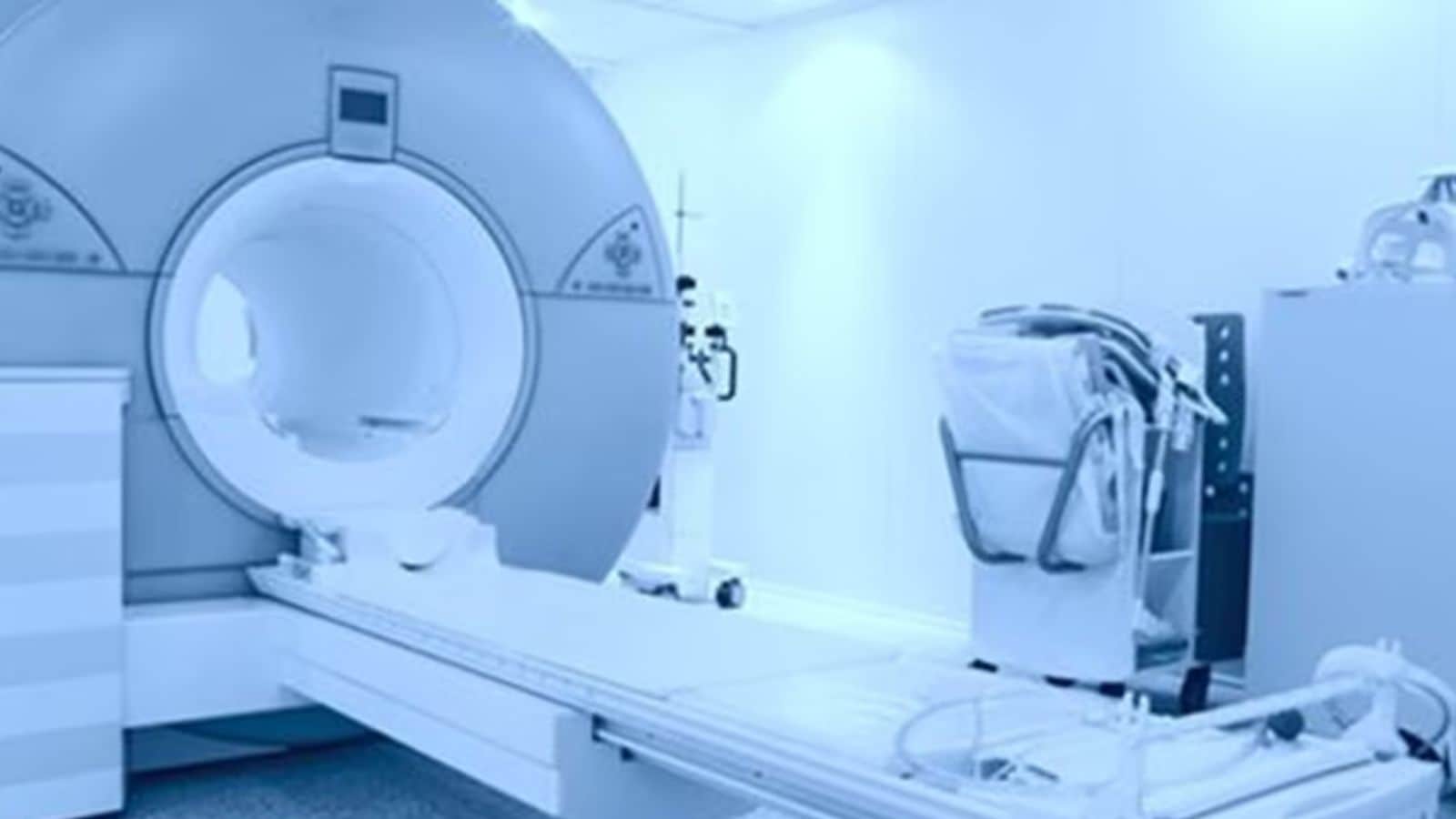
To understand why a war affects a medical scan, one must look at how an MRI machine works. These machines use very strong superconducting magnets to create detailed images of the inside of the human body. These magnets generate an incredible amount of heat. To keep them from melting or failing, they must be bathed in liquid helium, which stays at an extremely cold temperature. Helium is a rare resource, and only a few countries, such as the United States, Qatar, and Russia, produce it in large amounts. India depends on these global supply chains to keep its thousands of MRI machines operational.
Public or Industry Reaction
Hospital owners and diagnostic chain managers are expressing deep concern about these rising expenses. Many small and medium-sized clinics operate on thin profit margins. They worry that if the cost of helium and spare parts continues to rise, they will have no choice but to pass those costs on to the patients. Industry experts also note that the delay in parts is making it harder to repair broken machines. This leads to longer waiting lists for patients who need urgent scans for cancer, brain injuries, or heart conditions.
What This Means Going Forward
In the short term, patients in India should prepare for a potential increase in the price of MRI services. There is also a possibility that some centers may reduce their operating hours to save on costs. In the long term, this crisis is pushing the Indian medical industry to look for alternatives. Some companies are now developing "helium-free" MRI machines or systems that use much less gas. Additionally, there is a renewed focus on finding ways to produce or recycle helium within India to reduce dependence on foreign imports during times of war.
Final Take
The situation highlights how connected the world has become. A political and military conflict in one part of the world can quickly change the cost of living and healthcare in another. For India, the current challenge is to manage these rising costs while ensuring that life-saving diagnostic tools remain available to the public. The focus must now shift toward building more resilient supply chains that can withstand global instability.
Frequently Asked Questions
Why does an MRI machine need helium?
MRI machines use liquid helium to cool down their powerful magnets. Without this cooling, the magnets would overheat and the machine would stop working.
How much more will an MRI scan cost?
While prices vary by location, industry experts suggest that the cost of scans could rise by 10% to 20% if the supply chain issues continue for several months.
Are there any alternatives to helium-based MRIs?
Yes, some newer MRI machines are designed to use very little helium or are completely helium-free, but these machines are currently expensive and not yet common in most Indian hospitals.



