
Summary
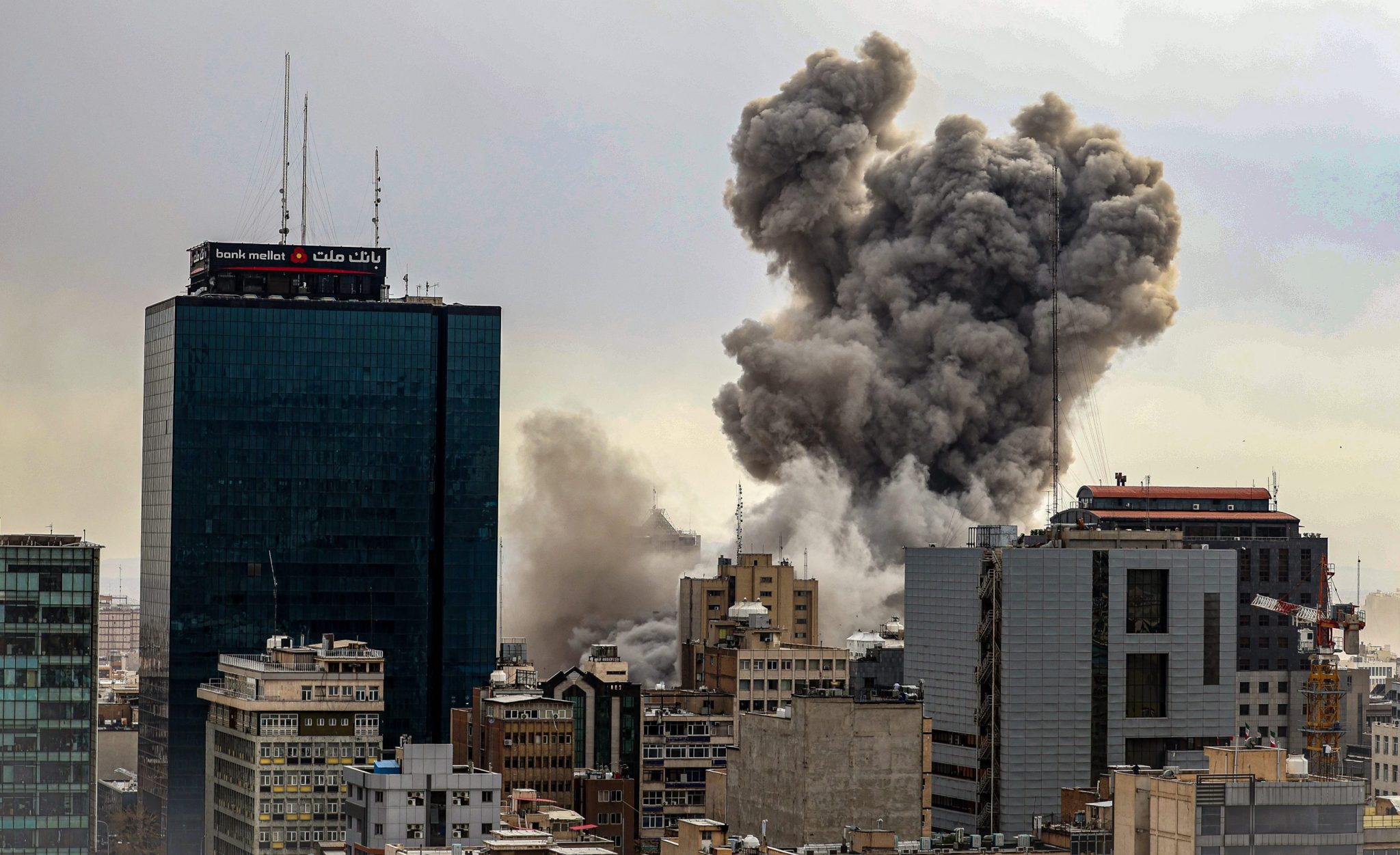
A major conflict in the Middle East is causing mortgage rates to climb in the United States. This war has disrupted global trade and sent oil prices higher, which directly affects the cost of borrowing money for a home. For many Americans already struggling with high housing costs, this new development makes it even harder to buy a house. Experts warn that the economic effects of the war are spreading far beyond the battlefield and into the lives of everyday homeowners.
Main Impact
The biggest impact of the war on the U.S. economy is the sudden jump in mortgage interest rates. Last week, the average rate for a 30-year fixed mortgage reached 6.43%. This is the highest level seen since October 2025. Because rates have gone up so quickly, many people who were planning to buy a home are now choosing to wait. This shift is slowing down the housing market and making it difficult for families to plan for their future.
Key Details
What Happened
The war has caused serious problems in the Strait of Hormuz, which is a vital path for shipping oil around the world. When shipping is threatened, the price of oil goes up. In the financial world, higher oil prices often lead to higher inflation. To deal with inflation, the interest rates on government bonds, known as Treasury notes, usually go up. Since mortgage rates are closely tied to these bond rates, they have increased as well.
Important Numbers and Facts
The 30-year fixed mortgage rate currently sits at about 6.4%. Just a few weeks ago, it was significantly lower. The 10-year Treasury note, which helps set mortgage rates, has risen to 4.39%, up from 3.96% before the conflict began. Oil prices have also been volatile, recently jumping back up to $105 a barrel. These rising costs have led to a 15% drop in applications for refinancing, as homeowners find it less helpful to trade in their old loans for new ones.
Background and Context
The U.S. housing market was already in a difficult spot before the war started. There are not enough houses for sale, and prices have remained very high for years. Many young people and first-time buyers were already finding it nearly impossible to afford a home. This war acts as a "butterfly effect," where a problem in one part of the world creates a chain reaction that causes trouble elsewhere. When gas and oil prices go up, it puts pressure on the entire economy, making everything from groceries to home loans more expensive.
Public or Industry Reaction
Potential homebuyers are feeling nervous. A recent report showed that one out of every four Americans has decided to pause big purchases, like homes or cars, because of the uncertainty caused by the war. On Wall Street, investors are also confused. There have been mixed messages about whether the U.S. and Iran are talking about peace. When news of possible peace talks broke, the stock market went up, but when those reports were questioned, oil prices climbed again. This back-and-forth makes it very hard for people to make big financial decisions.
What This Means Going Forward
In the short term, experts do not expect mortgage rates to drop significantly. The CEO of Zillow recently mentioned that relief for homebuyers is likely a long way off. If the war continues to keep oil prices high, the U.S. could face a situation called stagflation. This is when the economy grows slowly, but prices for goods and services keep rising. For the housing market, this means that high rates and high home prices might stay around for a while, keeping many people from owning a home.
Final Take
The situation in the Middle East shows how connected the world has become. A conflict thousands of miles away can change the monthly payment on a house in a small American town. While the political situation remains uncertain, the financial reality is clear: as long as global tensions keep oil prices high, the dream of affordable homeownership will remain out of reach for many. Potential buyers will need to stay patient and watch the global news as closely as they watch the local housing listings.
Frequently Asked Questions
Why does a war in the Middle East affect my mortgage?
War often leads to higher oil prices because of shipping disruptions. Higher oil prices cause inflation to rise, which pushes up the interest rates on government bonds. Since mortgage rates follow these bond rates, your cost to borrow money for a home goes up.
Is now a good time to refinance my home?
For most people, probably not. Refinance applications have dropped by 15% because interest rates are currently at their highest level in months. Most homeowners would end up with a higher rate than they already have.
Will mortgage rates go down soon?
Most experts believe rates will stay high as long as the conflict continues and oil prices remain elevated. There is no clear sign that rates will drop back to lower levels in the immediate future.



