
Summary
The first day of the Monsoon Session of Parliament saw a direct clash between the ruling government and the opposition. Both sides traded sharp words over key issues, setting a tense tone for the rest of the session. The main points of conflict included demands for discussions on recent controversies and the government's legislative agenda.
Main Impact
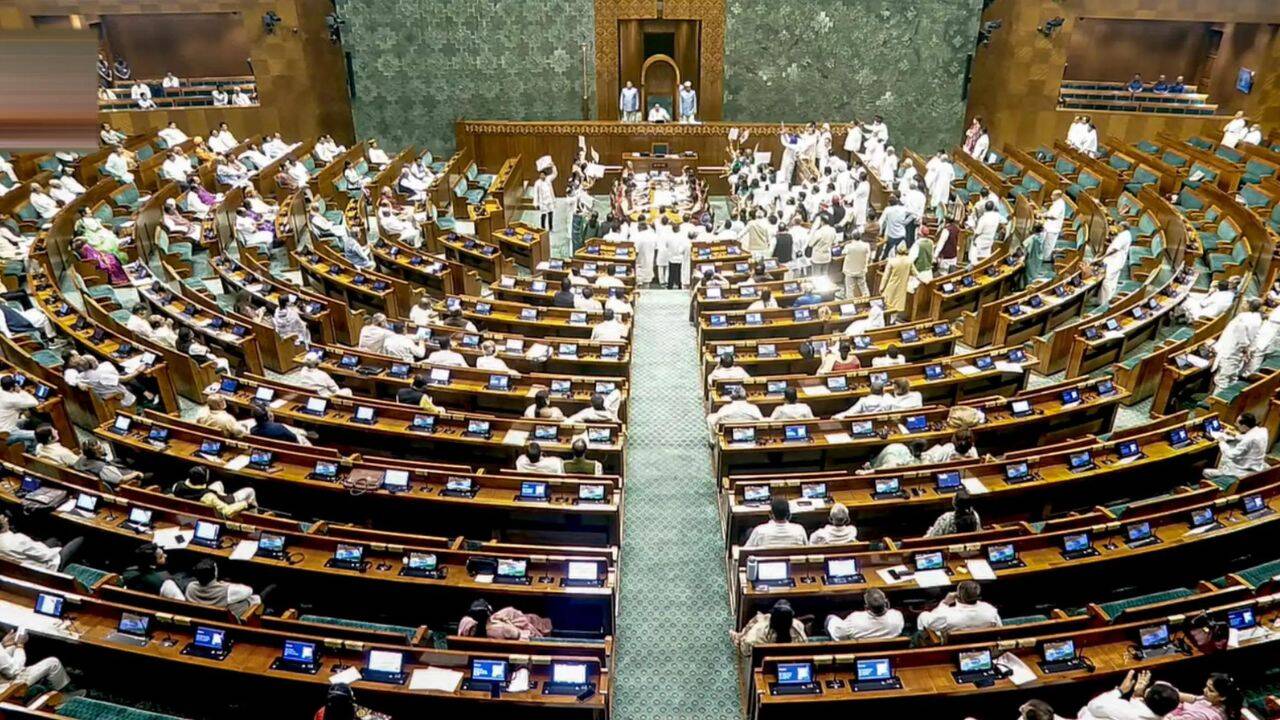
The opening day was marked by heated exchanges and procedural disruptions. The opposition pushed for debates on topics like inflation, unemployment, and alleged government missteps. The government, in turn, accused the opposition of trying to stall important legislative work. This standoff could slow down the passage of key bills planned for the session.
Key Details
What Happened
As the Monsoon Session began, opposition parties raised slogans and demanded a discussion on several issues. They wanted the government to respond to recent reports and events. The government insisted that the session should focus on its legislative agenda, including bills related to economic reforms and social welfare.
Important Numbers and Facts
The session is scheduled to run for several weeks. The government has listed over 20 bills for consideration. The opposition has submitted notices for discussions on at least five major topics. Both sides have accused each other of not respecting parliamentary norms.
Background and Context
The Monsoon Session is a regular part of India's parliamentary calendar. It is a time when the government presents new laws and the opposition can question its actions. This session comes after a period of political tension over various national issues. The current standoff reflects a wider pattern of conflict between the ruling party and the opposition in recent years.
Public or Industry Reaction
Political analysts have expressed concern over the lack of cooperation. Many say that such clashes hurt the public's trust in the political system. Some business groups have also urged both sides to work together to pass important economic bills. Social media users have shared mixed reactions, with some supporting the opposition's demands and others backing the government's stance.
What This Means Going Forward
The first day's events suggest that the rest of the session may also be difficult. If the opposition continues to disrupt proceedings, the government may struggle to pass its bills. This could delay important policy changes. On the other hand, if both sides find common ground, the session could still be productive. The next few days will be crucial in deciding the outcome.
Final Take
The opening day of the Monsoon Session shows that political divisions remain deep. While both sides have their reasons, the real losers are the people who expect their leaders to work together. The coming weeks will test whether Parliament can function effectively or if it will be stuck in endless arguments.
Frequently Asked Questions
What is the Monsoon Session of Parliament?
The Monsoon Session is a regular meeting of India's Parliament that usually takes place from July to September. During this time, the government introduces new laws and the opposition can question its actions.
Why did the opposition and government clash on the first day?
The opposition wanted to discuss issues like inflation and unemployment, while the government wanted to focus on its legislative agenda. This difference in priorities led to heated exchanges and disruptions.
What could happen if the session remains disrupted?
If the disruptions continue, the government may not be able to pass its planned bills. This could delay important policy changes and reforms that affect the economy and public welfare.



