
Every monsoon, thousands of parents in India watch their children burn with fever, rush to local clinics, and hear the same word: viral. But when the fever doesn't break, or the body aches worsen, the real culprit — dengue, chikungunya, or leptospirosis — is often discovered too late. Why does this happen so frequently?
When a fever is not just a fever
Dengue, chikungunya, and even leptospirosis begin with symptoms nearly identical to a common viral infection: high fever, headache, muscle pain, and fatigue. Without specific laboratory tests, a doctor relying only on physical examination can easily miss the true disease. This diagnostic overlap is the single biggest reason monsoon illnesses are misdiagnosed.
Climate change is extending the danger window
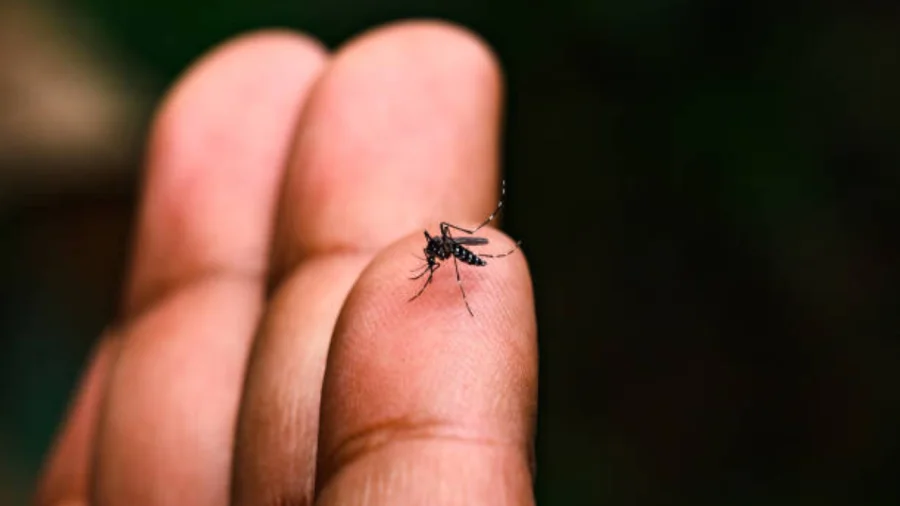
Warmer temperatures and erratic rainfall — driven by climate change — have created year-round breeding grounds for Aedes mosquitoes, the vectors of dengue and chikungunya. Traditionally limited to July–September, these diseases now appear as early as May and linger past November. Urbanisation adds stagnant water in construction sites, discarded containers, and clogged drains, intensifying the problem.
Why testing infrastructure falls short
In tier-2 and tier-3 cities, quick diagnostic kits for dengue (NS1 antigen, IgM) and chikungunya may not be readily available. Many clinics lack the equipment or trained staff. Even when sent to external labs, results take 24–48 hours — time during which the disease can worsen. Patients often cannot afford repeat visits, so they accept a “viral fever” label and go home.
Children and infants: most vulnerable, least diagnosed
Infants cannot describe their symptoms. Parents see only irritability, poor feeding, and crying. A misdiagnosis here can delay critical care, leading to dengue shock syndrome or severe dehydration. Pediatricians stress that any child with high fever persisting beyond 48 hours during the monsoon must be tested for vector-borne diseases.
What health authorities recommend
Public health officials advise that any fever with two or more of these — high temperature, severe headache, pain behind the eyes, joint pain, or rash — be tested for dengue and chikungunya. The national vector-borne disease control programme has pushed for wider distribution of rapid test kits, but supply gaps remain.
The cost of a wrong diagnosis: trust, money, and lives
Every misdiagnosis erodes trust in the healthcare system. Families spend money on unnecessary antibiotics (useless against viruses) and return sicker. In severe dengue, a 24-hour delay can be fatal. The human cost of diagnostic gaps is measured in lost wages, prolonged suffering, and preventable deaths.
Confirmed facts vs what remains unclear
Confirmed: Overlapping symptoms between dengue, chikungunya, and common viral fevers are well-documented. Climate change is expanding vector habitats.
Unclear: The exact percentage of misdiagnosed cases nationally is not tracked. No central data exists on how many patients receive wrong treatment during monsoon before correct diagnosis. The effectiveness of current rapid-test distribution in rural areas is still being evaluated.
Wider pattern: The hidden burden of seasonal diseases in urbanising India
This is not an isolated problem. Across India, diseases tied to environmental change — like scrub typhus, leptospirosis, and Japanese encephalitis — are rising. Yet diagnostic systems designed for a different era are struggling to keep up. The monsoon misdiagnosis crisis is a symptom of a larger infrastructure gap.
Practical guidance for readers
If you or your child has a fever during monsoon — especially if it lasts more than two days, comes with severe body pain, or doesn’t respond to usual paracetamol — insist on a dengue/chikungunya rapid test. Check with your nearest government hospital or urban health centre; many offer free NS1 tests. Keep a fever diary: note temperature, pain spots, and any bleeding from gums or nose. Seek urgent care if you see warning signs like persistent vomiting, abdominal pain, or sudden weakness.
What should change? A public health roadmap
Experts call for integrating climate data into disease surveillance: if rain patterns shift, alert systems should trigger early diagnostic capacity. At the ground level, every primary health centre needs a stock of reliable rapid tests. And for the public, a simple monsoon illness awareness campaign — one that goes beyond “mosquito control” — could save thousands of lives.
Our Take
This story is not just about medical confusion. It is about how environmental change exposes weaknesses in our healthcare system. Monsoon fevers are misdiagnosed not because doctors are careless but because the system hasn’t adapted to a changing climate and a fast-urbanising population. Until diagnosis keeps pace with disease, every fever season will remain a guessing game — with lives at stake.
Frequently Asked Questions
Why are monsoon illnesses often diagnosed as viral fever?
Their early symptoms – fever, body ache, headache, fatigue – are identical to common viral infections. Without lab tests, doctors have no way to tell them apart.
How can I tell if my fever is dengue or just viral?
Only a blood test (NS1 antigen or IgM ELISA) can confirm dengue. Warning signs like severe abdominal pain, bleeding, or a sudden drop in platelet count suggest dengue, not regular viral fever.
Is climate change really making monsoon diseases worse?
Yes. Warmer temperatures and unpredictable rainfall create longer breeding seasons for mosquitoes. Aedes mosquitoes can now survive and breed almost year-round in many Indian cities.
What should I do if my doctor says it’s just a viral fever but I’m not getting better?
Ask for a dengue rapid test. If symptoms persist beyond 48 hours, seek a second opinion or visit a government hospital. Do not keep taking antibiotics — they don’t work for viral or vector-borne diseases.



