Summary
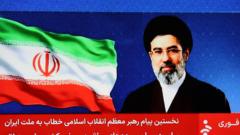
Mojtaba Khamenei, the newly named Supreme Leader of Iran, has issued his first official policy statement. In a bold move that has put the world on high alert, he promised to block the Strait of Hormuz if necessary. He also stated that Iranian forces would continue to carry out attacks against United States military bases located throughout the Middle East. This message marks a sharp and aggressive start to his leadership, signaling that Iran does not plan to back down from its long-standing disputes with Western powers.
Main Impact
The immediate impact of this statement is a surge in global tension, particularly regarding energy security. The Strait of Hormuz is the most important oil transit point in the world. By threatening to close it, the new Iranian leader is effectively holding a large portion of the global economy hostage. If the strait were to be blocked, oil prices would likely skyrocket, causing financial pain for countries across the globe. Additionally, the promise to keep attacking U.S. bases suggests that the "shadow war" in the Middle East is moving into a much more dangerous and open phase.
Key Details
What Happened
Following the transition of power in Tehran, a message attributed to Mojtaba Khamenei was released through official channels. This was his first major communication since taking the role of Supreme Leader. The message was direct and focused on military strength. It specifically mentioned the ability of the Iranian military to stop the flow of ships through the narrow waters of the Persian Gulf. It also confirmed that the policy of using proxy groups or direct strikes against American military positions in Iraq and Syria would remain in place.
Important Numbers and Facts
The Strait of Hormuz is a narrow waterway that connects the Persian Gulf with the Gulf of Oman and the Arabian Sea. It is only about 21 miles wide at its narrowest point. Despite its small size, roughly 20% to 30% of the world's total oil supply passes through this area every single day. In terms of military presence, the United States maintains thousands of troops across several bases in the region, which have been the targets of drone and missile strikes over the past several years. This new statement suggests those numbers could rise as conflict intensifies.
Background and Context
To understand why this matters, one must look at the geography and history of the region. Iran has used the threat of closing the Strait of Hormuz many times in the past, usually when it faces heavy economic sanctions or diplomatic pressure. However, hearing this threat from a brand-new leader is significant. It shows that the change in leadership does not mean a change in heart. Mojtaba Khamenei is the son of the previous leader, and many experts believed he would follow in his father's footsteps. This first statement confirms those theories, showing a commitment to a hardline, anti-Western path.
The relationship between the U.S. and Iran has been filled with friction for decades. Issues such as Iran's nuclear program, its support for various armed groups in the region, and U.S. sanctions have created a cycle of anger and retaliation. By targeting U.S. bases, Iran aims to force the United States to leave the Middle East entirely, a goal that the new Supreme Leader seems to have put at the top of his list.
Public or Industry Reaction
The reaction from the international community was swift. Oil markets showed immediate signs of worry, with traders predicting a rise in fuel costs. Shipping companies are also concerned about the safety of their crews and vessels. Many commercial ships may now require military escorts to pass through the region safely, which adds a massive cost to global trade. In Washington, officials have stated they are monitoring the situation closely and will take all necessary steps to protect American personnel and keep international waters open for trade. Regional neighbors, such as Saudi Arabia and the United Arab Emirates, are also on high alert, as any conflict in the strait would directly affect their ability to export their own resources.
What This Means Going Forward
The world is now entering a period of high uncertainty. The risk of a mistake or a small skirmish turning into a full-scale war has increased. If Iran actually attempts to block the strait, the U.S. and its allies would almost certainly use military force to reopen it. This could lead to a direct naval battle in the Persian Gulf. Furthermore, the continued attacks on U.S. bases mean that American soldiers remain in constant danger. This will likely lead to more "tit-for-tat" strikes, where the U.S. bombs Iranian-linked targets in response to attacks on its own people. Diplomacy seems to be moving further out of reach as both sides dig in for a long struggle.
Final Take
The first words from Iran's new leader have shattered any hopes for a quick move toward peace. By focusing on the Strait of Hormuz and military strikes, Mojtaba Khamenei has chosen a path of direct confrontation. This strategy is designed to show strength at home and defiance abroad, but it places the global economy and regional stability on very thin ice. The coming months will be a major test for international leaders as they try to manage a more aggressive and determined Iranian leadership.
Frequently Asked Questions
Why is the Strait of Hormuz so important?
It is the world's most vital oil transit point. A huge portion of the global oil supply must pass through this narrow waterway to reach international markets. If it is closed, oil prices would rise sharply, affecting everything from gas prices to the cost of shipping goods.
Who is Mojtaba Khamenei?
He is the new Supreme Leader of Iran and the son of the previous leader, Ali Khamenei. His rise to power was closely watched by the world to see if he would be more moderate or more hardline than his father. His first statement suggests he is a hardline leader.
How has the United States responded to these threats?
The U.S. has historically maintained a strong naval presence in the region to ensure that the strait remains open. While the official response to this specific statement is still developing, the U.S. typically vows to protect its interests and its military personnel from any threats or attacks.