
Summary
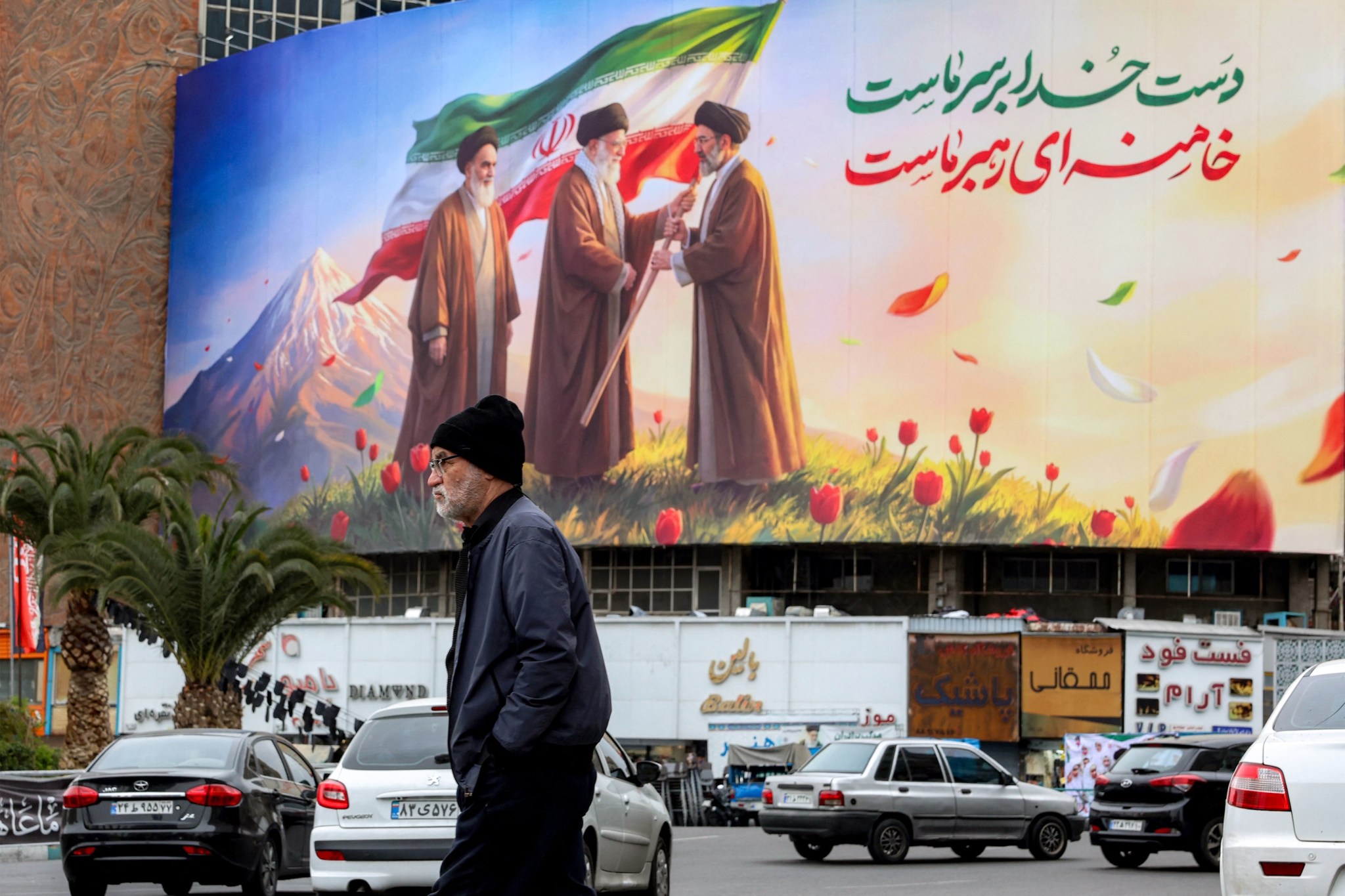
Iran’s new Supreme Leader, Mojtaba Khamenei, is reportedly safe but was injured during a recent U.S. military strike. This news comes as the war in the region continues to grow more expensive, costing roughly $1 billion every single day. While some political leaders claim the conflict is nearing an end, investors and financial markets remain worried about long-term stability. The situation is also causing major concerns about the global oil supply and the rising cost of energy.
Main Impact
The ongoing conflict is having a heavy effect on global finances and energy markets. Stock markets in the United States and Europe have seen a drop in value as traders lose confidence in a quick exit from the war. Even though the U.S. military has taken action to keep shipping lanes open, the threat of a major oil shortage remains. Experts warn that if the fighting does not stop soon, the price of oil could reach record highs, which would make almost everything more expensive for people around the world.
Key Details
What Happened
Reports indicate that Mojtaba Khamenei was hurt in a U.S. attack, though officials say he is currently in a safe location. He has not been seen in public since the war started. On the water, Iran has been trying to block the Strait of Hormuz by placing mines in the sea. This waterway is one of the most important paths for oil ships in the world. To counter this, U.S. forces have destroyed 16 Iranian ships that were caught laying these mines. Meanwhile, drone attacks have been reported in other areas, including an airport in Dubai where four people were injured.
Important Numbers and Facts
The financial cost of this war is staggering. In just the first 100 hours of fighting, the U.S. spent $3.7 billion. Most of this spending was not planned for in the national budget. Despite the heavy fighting, Iran is still managing to export 2.1 million barrels of oil every day. This is actually a higher amount than they were exporting before the war began. On the corporate side, the tech company Oracle reported a 22% increase in revenue, reaching $17.2 billion, mostly due to the high demand for artificial intelligence technology.
Background and Context
The conflict in the Middle East is complicated because different countries have different goals. The U.S. government has suggested that the war is almost over and that victory is near. However, Israel has a different view. Israeli leaders want to continue the military operations until Iran’s ability to fight is completely gone. They believe that Iran’s current leadership is a threat not just to the region, but to the entire world. This disagreement between allies makes it harder to predict when the fighting will actually stop.
Public or Industry Reaction
Business leaders and investors are showing signs of stress. While some parts of the world, like Asia, saw a small boost in their stock markets after news that more oil would be released from reserves, the overall mood is negative. Many CEOs are worried that there is no clear plan for what happens after the war. At the same time, a new investigation has brought negative attention to Microsoft and Bill Gates. The report claims that Jeffrey Epstein, a known criminal, had more influence over the company’s leaders and private lives than was previously known. This has added to the general feeling of unease in the business world.
What This Means Going Forward
The future looks uncertain for the global economy. If the Strait of Hormuz remains a danger zone, oil prices could jump to $200 per barrel. This would lead to very high inflation, making it harder for families to afford basic needs. Additionally, the massive amount of debt being created by the war will eventually need to be paid back. Experts at the bank UBS suggest that governments will likely introduce new taxes on wealthy individuals to help cover these costs. In the U.S., data shows that the gap between the rich and the poor is already at its widest point since 2015, which could lead to more social tension.
Final Take
The world is currently stuck between a dangerous military conflict and a fragile economy. While military leaders focus on the battlefield, the financial costs are mounting quickly. The injury to Iran's leader and the ongoing threats to global oil routes suggest that the road to peace will be long and expensive. Everyone from world leaders to everyday consumers will feel the impact of these events in the months and years to come.
Frequently Asked Questions
Is the price of oil going to stay high?
While oil is currently around $90 a barrel, some analysts believe it could reach $200 if the war continues to disrupt shipping in the Middle East.
How much is the war costing the United States?
The war is estimated to cost about $1 billion every day. In the very beginning, the U.S. spent $3.7 billion in less than five days.
What is happening with income inequality in the U.S.?
Recent data shows that the gap between high-income and low-income workers is the largest it has been in over a decade, with the wealthy seeing much faster wage growth.



