Summary
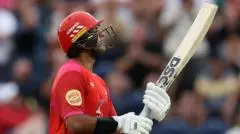
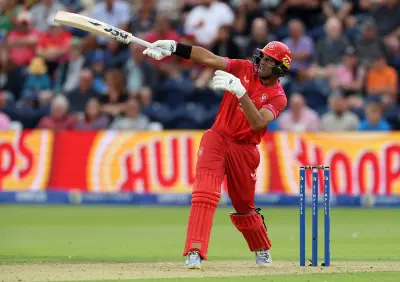
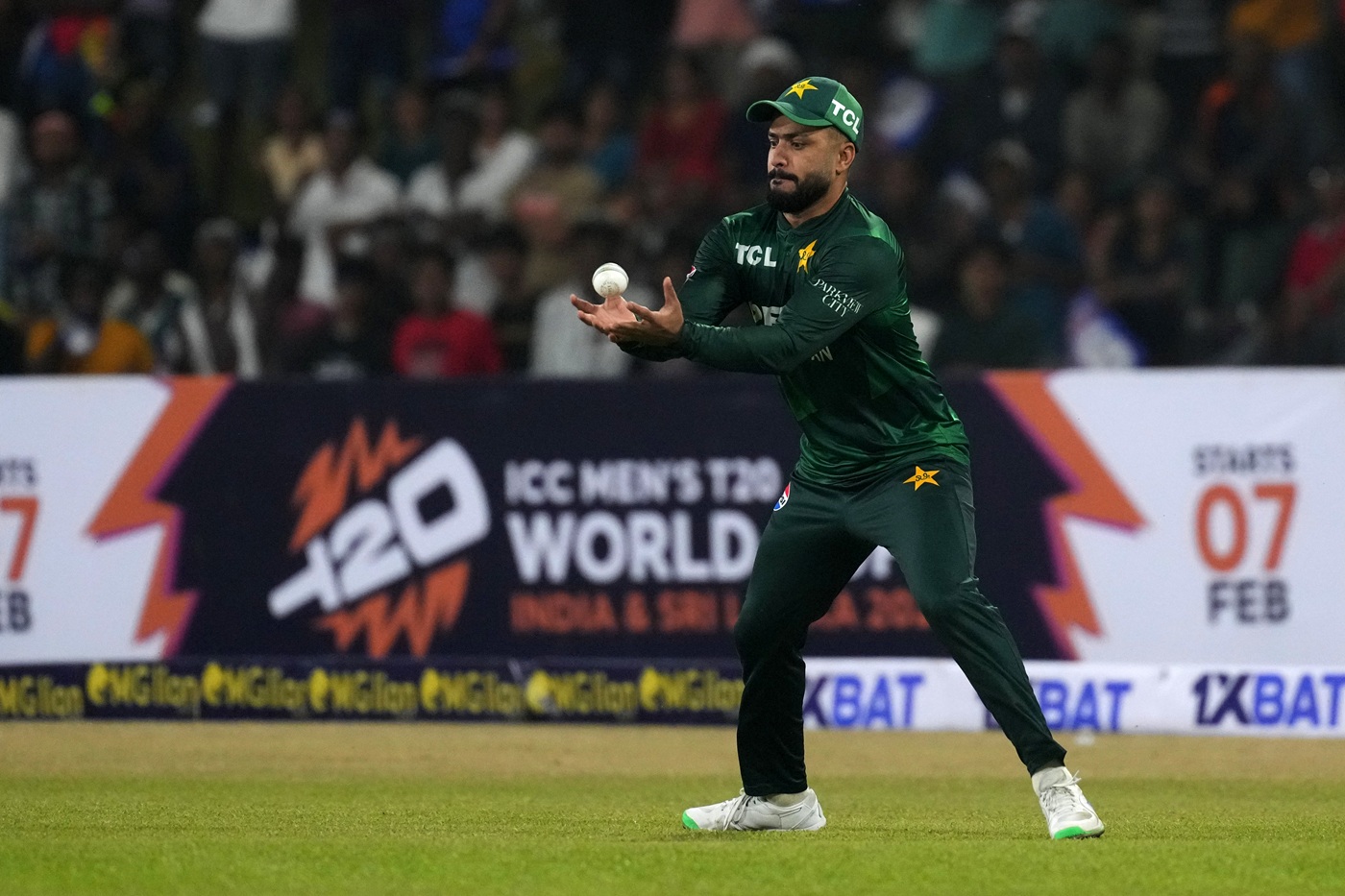
Pakistan cricketer Mohammad Nawaz is currently under investigation by the Pakistan Cricket Board (PCB). This follows a positive test result for a recreational drug. The test was conducted during the T20 World Cup that took place earlier this year. This development has put the player's career on hold and raised questions about the conduct of players during major international tournaments. The PCB is now following its official anti-doping protocols to decide the next steps for the all-rounder.
Main Impact
The most immediate impact of this news is the potential suspension of Mohammad Nawaz from all forms of cricket. As a regular member of the Pakistan white-ball team, his absence will create a gap in the squad that the selectors must fill. Beyond the team balance, this situation hurts the reputation of Pakistan cricket on the global stage. It also serves as a stern warning to other players about the strict nature of drug testing in professional sports. The investigation will determine how long Nawaz might be banned from the game, which could range from a few months to several years.
Key Details
What Happened
During the T20 World Cup held in early 2026, health officials and anti-doping agencies performed routine tests on players from various teams. Mohammad Nawaz was one of the players selected for a random test. The results of this test recently came back positive for a substance classified as a recreational drug. Unlike performance-enhancing drugs, which are used to cheat in sports, recreational drugs are typically used in social settings. However, both types of substances are strictly banned under the rules set by the International Cricket Council (ICC) and the PCB.
Important Numbers and Facts
The positive sample was collected during the group stages of the T20 World Cup. Under the current anti-doping code, players found guilty of using recreational substances can face a ban of up to two years. However, if a player can prove the substance was used outside of competition and was not intended to improve their performance, the ban might be reduced to three months. Nawaz has the right to request a test of his "B sample" to confirm the initial findings. If the second test also returns a positive result, the PCB will move forward with a formal hearing and a disciplinary committee.
Background and Context
Drug testing in cricket is a standard practice designed to keep the sport clean and fair. The ICC works closely with the World Anti-Doping Agency (WADA) to ensure that players follow strict guidelines regarding what they put into their bodies. In the past, several cricketers have faced bans for similar issues. For example, Pakistan has seen cases like those of Ahmed Shehzad and Raza Hasan, who were suspended after failing drug tests. These rules exist not just to prevent cheating, but also to ensure that professional athletes act as good role models for young fans who look up to them.
Public or Industry Reaction
The news has caused a stir among cricket fans and experts. Many fans expressed disappointment on social media, as Nawaz has been a reliable player for the national team for several years. Former players have also commented on the situation, with some calling for stricter education programs for young athletes. The PCB has remained relatively quiet, stating only that they are following the standard legal process. Within the industry, there is a sense of concern that such incidents distract from the team's performance on the field and create unnecessary controversy for the board to manage.
What This Means Going Forward
In the coming weeks, Nawaz will likely face a hearing where he can explain his side of the story. If he is suspended, he will miss upcoming bilateral series and domestic leagues. This could also mean he loses his central contract with the PCB, leading to a significant loss of income. For the Pakistan team, the coaching staff will need to look at younger spinners and all-rounders to take his place. This incident may also lead the PCB to introduce more frequent drug awareness workshops to ensure that players understand the risks of using banned substances, even in their private time.
Final Take
This situation is a reminder that professional athletes are under constant watch, both on and off the field. While the investigation is still ongoing, the positive test is a major setback for Mohammad Nawaz. The final decision by the PCB will be a test of their commitment to maintaining high standards of discipline within the national team. For Nawaz, the focus will now be on the legal process and the hope of returning to the sport as soon as possible.
Frequently Asked Questions
What is a recreational drug in sports?
A recreational drug is a substance used for social or personal reasons rather than to improve athletic performance. Even though they do not help a player play better, they are still banned because they violate the code of conduct and health standards of professional sports.
Can Mohammad Nawaz still play while under investigation?
Usually, when a player fails a drug test, they are given a provisional suspension. This means they cannot play in any official matches until the investigation is finished and a final decision is made by the cricket board.
How long could the ban be?
The length of the ban depends on the specific substance found and the circumstances of its use. It can be as short as three months if the player cooperates and shows the use was not for performance, or it can last for two years or more for repeat offenses or serious violations.