
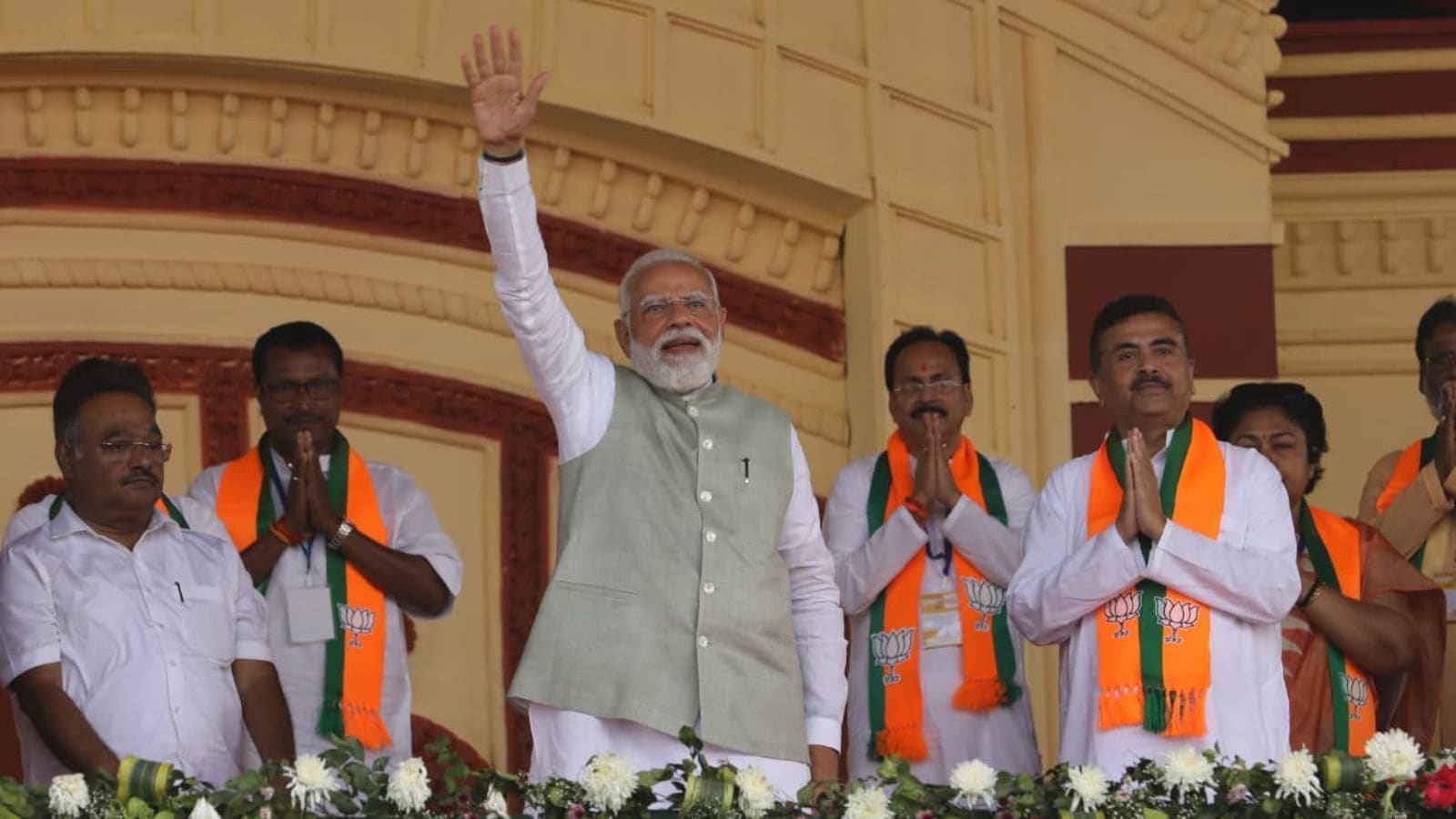
Summary
The political language used in West Bengal has seen a major shift over the last five years. Prime Minister Narendra Modi’s speeches have moved from promising "Asol Poriborton" (real change) to a much tougher stance of "Chun Chun Ke Sabka Hisab" (holding everyone accountable). This change shows how the political battle in the state has moved from a message of hope to a focus on justice and corruption. It marks a new phase in the rivalry between the central government and the state’s ruling party.
Main Impact
The change in tone has a direct impact on how voters view the political situation in West Bengal. By moving away from general promises of growth and focusing on specific legal consequences, the BJP is trying to highlight issues of corruption. This strategy aims to put the ruling Trinamool Congress (TMC) on the defensive. It also signals that the central government intends to use legal and investigative tools more aggressively in the coming months.
Key Details
What Happened
Five years ago, the main slogan was "Asol Poriborton." At that time, the goal was to convince voters that a new government could bring a better life, more jobs, and more factories. The speeches were filled with visions of a "Sonar Bangla" or Golden Bengal. The focus was on what the BJP could build if they were given a chance to lead the state.
Fast forward to the present, and the message has changed. The new slogan, "Chun Chun Ke Sabka Hisab," suggests a different priority. Instead of just talking about the future, the focus is now on the past and present actions of local leaders. The Prime Minister is now telling the public that those who have taken money or participated in scams will be caught and punished. This is a much more confrontational and direct way of speaking to the audience.
Important Numbers and Facts
Several key events have led to this change in language. Over the last few years, central agencies like the Enforcement Directorate (ED) and the Central Bureau of Investigation (CBI) have been very active in the state. Large amounts of cash have been recovered in various raids related to teacher recruitment and ration distribution. These events have given the opposition the evidence they need to sharpen their attacks. The shift in speech reflects the fact that many high-ranking officials and ministers have already been arrested or questioned.
Background and Context
To understand why this matters, we have to look at the history of West Bengal politics. For decades, the state was ruled by the Left Front. When the TMC took over, they promised change. The BJP later used the same word "change" to try and win over voters who were unhappy with the current system. However, after the 2021 state elections, the BJP realized that a message of "hope" alone was not enough to win.
The current strategy focuses on "accountability." By using the phrase "Chun Chun Ke Sabka Hisab," the Prime Minister is speaking to people who feel cheated by local corruption. This approach moves the conversation away from policy and toward the idea of justice. It is a way to tell the voters that the central government is watching and will take action against those who break the law.
Public or Industry Reaction
The reaction to this new tone is divided. Supporters of the BJP feel that this is exactly what the state needs. They believe that only a strong, tough approach can clean up the political system. They see the Prime Minister’s words as a promise of fairness and a crackdown on crime.
On the other hand, the ruling TMC and its supporters see this as a political attack. They argue that the central government is using federal agencies to scare its rivals. They claim that the phrase "taking everyone to task" is just a way to justify political pressure. Many neutral observers note that the political environment in the state has become much more tense because of this aggressive language.
What This Means Going Forward
Looking ahead, we can expect the political climate in West Bengal to remain very heated. The focus on "accountability" means that legal battles and agency raids will likely continue to be a major part of the news. This will be a key theme in any upcoming elections. The BJP will likely keep using this tough language to show they are serious about fighting corruption. Meanwhile, the TMC will likely focus on defending its leaders and accusing the center of overstepping its bounds. This shift suggests that the next election will not just be about development, but about who the voters trust to be honest.
Final Take
The move from "Real Change" to "Holding Everyone Accountable" shows a significant evolution in political strategy. It reflects a shift from making promises about the future to demanding justice for the present. While the first slogan was about building something new, the second is about fixing what is broken. This change in words marks a much more serious and direct fight for the heart of West Bengal’s politics.
Frequently Asked Questions
What does "Asol Poriborton" mean?
It is a Bengali phrase that means "Real Change." It was used as a slogan to promise a better and more developed state under new leadership.
What does "Chun Chun Ke Sabka Hisab" mean?
This Hindi phrase means "holding every single person accountable" or "taking everyone to task one by one." It refers to the promise of punishing those involved in corruption.
Why did the Prime Minister change his slogan?
The change reflects a shift in strategy. After several corruption scandals came to light in the state, the focus moved from general development to specific promises of legal action and justice.



