
Summary
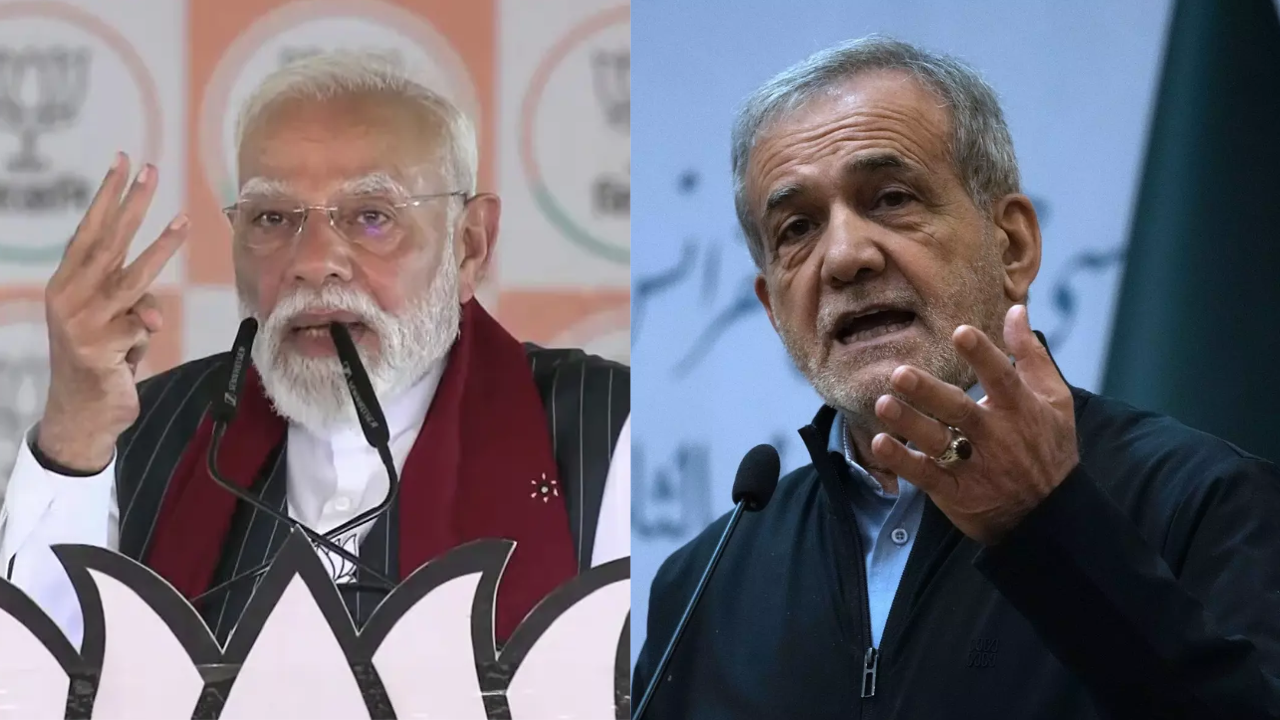
Prime Minister Narendra Modi has announced a significant healthcare promise for women in West Bengal, offering free medical treatment up to Rs 5 lakh. This move aims to improve health services for millions of families in the state. On the global stage, Iran has voiced strong criticism against the United States regarding its nuclear rights and international sanctions. These developments highlight a busy day of political activity both within India and across the world.
Main Impact
The promise of free healthcare in West Bengal could change the lives of many women who currently struggle to pay for expensive hospital bills. By offering Rs 5 lakh in coverage, the central government is trying to bridge a gap in the state's existing health systems. This announcement is expected to influence the political mood in the region, as health remains a top priority for voters. Meanwhile, the tension between Iran and the U.S. continues to affect international relations, potentially impacting global oil prices and security agreements.
Key Details
What Happened
During a recent public event, Prime Minister Modi spoke about the need for better medical care for women and senior citizens. He stated that if his party's vision is followed, every woman in West Bengal would receive a health card worth Rs 5 lakh for free treatment. This is part of a larger plan to expand the Ayushman Bharat scheme, which is a national health insurance program run by the central government. In many states, this program helps poor families get surgery and specialized care without paying out of pocket.
At the same time, Iran's leaders issued a statement directed at Washington. They argued that the United States is unfairly trying to stop Iran from using nuclear energy for peaceful purposes. Iran claims that it has a legal right to develop its nuclear technology under international law. This disagreement has been a long-standing issue that often leads to trade restrictions and diplomatic arguments between the two nations.
Important Numbers and Facts
The healthcare promise focuses on a limit of Rs 5 lakh per year for each eligible family. This coverage usually includes stays in the hospital, medicines, and doctor fees. In West Bengal, there are millions of women who could qualify for such a program if it is fully implemented. On the international side, the dispute over nuclear rights involves several world powers, but the U.S. remains the primary critic of Iran's nuclear activities. Recent reports suggest that Iran is seeking more freedom to run its facilities without heavy oversight from Western countries.
Background and Context
To understand why the healthcare promise is important, one must look at the current situation in West Bengal. For several years, there has been a disagreement between the central government in Delhi and the state government in Kolkata. The state has its own health scheme called Swasthya Sathi. Because of this, the national Ayushman Bharat program has not been fully active in the state. The Prime Minister's new promise is an attempt to bring the national benefits directly to the people of Bengal, specifically targeting women who often manage the household health needs.
Regarding Iran, the conflict with the U.S. dates back many years. A major agreement was signed in 2015 to limit Iran's nuclear work in exchange for lifting sanctions. However, the U.S. left that deal in 2018, and since then, both sides have been in a constant state of disagreement. Iran wants the sanctions removed so its economy can grow, while the U.S. wants stricter rules to ensure Iran does not build a nuclear weapon.
Public or Industry Reaction
In India, political experts are watching how the people of West Bengal respond to the healthcare offer. Some local leaders have questioned if the plan will actually be put into action, while others see it as a much-needed gift for the poor. Health experts say that any increase in medical funding is good, but they warn that hospitals must be ready to handle more patients.
On the global stage, diplomats are worried that the harsh words from Iran could lead to more instability. Oil market analysts are also keeping a close eye on the situation. If tensions rise, it could make it harder to ship oil through the Middle East, which might cause gas prices to go up in many countries.
What This Means Going Forward
In the coming months, we will see if the healthcare promise in Bengal turns into a real policy. It will require cooperation between different levels of government, which is often difficult. If successful, it could set a new standard for how women's health is handled in India. Internationally, the path toward a new nuclear deal between the U.S. and Iran looks difficult. Both sides seem firm in their positions, which means the world might see more economic pressure and heated debates in the United Nations.
Final Take
Today's news shows a clear focus on two very different but important areas: local welfare and global safety. While the healthcare promise in Bengal offers hope for better living standards, the international dispute over nuclear rights reminds us of the ongoing risks in global politics. Both stories will continue to develop as leaders make their next moves.
Frequently Asked Questions
What is the Rs 5 lakh health promise?
It is a plan to provide free medical insurance to women in West Bengal, allowing them to get hospital treatment up to a value of Rs 5 lakh without paying themselves.
Why is Iran angry with the United States?
Iran believes the U.S. is blocking its right to develop nuclear energy for peaceful use and is unhappy with the economic sanctions placed on the country.
Is the Ayushman Bharat scheme active in all of India?
Most states use the scheme, but some states, like West Bengal, have their own separate health programs, which sometimes leads to political debates about which one is better.



