
Summary
A high-level monitoring committee has raised serious alarms over the slow progress of cleaning the Mithi River. The panel expressed deep frustration with the current state of the work, asking if officials are waiting for a new disaster to happen before they take action. This warning comes as the city prepares for the upcoming rainy season, where a blocked river could lead to massive flooding. The committee’s findings suggest that key projects meant to protect the city are far behind schedule.
Main Impact
The delay in cleaning the Mithi River puts millions of residents at risk. When the river is filled with mud and trash, it cannot carry rainwater away from the streets. This increases the chance of severe flooding in low-lying areas. Beyond the safety risk, the stalled work means that raw sewage continues to flow into the river and eventually into the sea. This creates a major health hazard for the public and destroys the local environment. The lack of progress also means that public money spent on these projects is not yet providing the safety it promised.
Key Details
What Happened
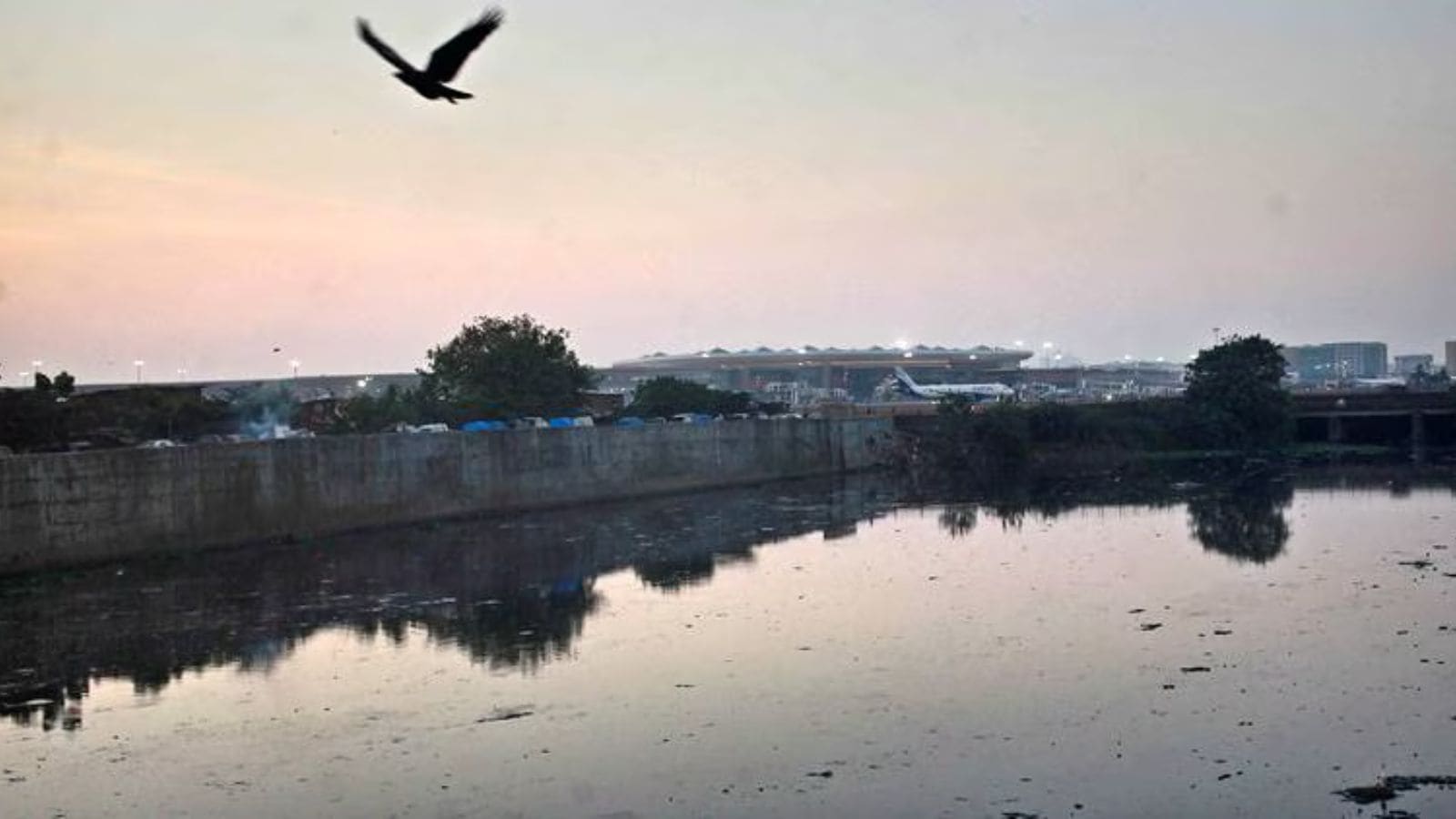
The committee, which was formed to oversee the river's recovery, recently visited several sites along the 18-kilometer stretch of the water body. They found that the process of desilting—which means removing the thick layer of mud and waste from the riverbed—is not moving fast enough. In many areas, the river remains shallow and choked with plastic. The panel also looked at the construction of retaining walls and sewage treatment plants. They discovered that many of these structures are only partially finished, even though the deadlines are approaching quickly.
Important Numbers and Facts
The Mithi River flows through some of the most crowded parts of the city. During their inspection, the panel noted that only a small portion of the planned sewage treatment work has been completed. There are several "packages" or stages of the project, and some are lagging by months or even years. The committee pointed out that if the river cannot handle a high volume of water, the city could see a repeat of past tragedies. They specifically mentioned that the capacity of the river to hold water has not improved as much as it should have by this stage of the project.
Background and Context
The Mithi River is a vital part of the city’s drainage system. For decades, it has been treated like an open sewer, collecting industrial waste and household trash. The importance of the river became clear in 2005 when the city suffered from record-breaking floods. During that time, the river overflowed its banks, leading to the loss of over a thousand lives and massive damage to property. Since then, there have been many plans to widen and clean the river. However, progress has been slow due to illegal buildings along the banks, technical challenges, and a lack of coordination between different government departments.
Public or Industry Reaction
Environmental groups and local citizens have expressed strong support for the panel’s harsh words. Many activists have been saying for years that the cleaning work is mostly for show and does not solve the deep-rooted problems. They argue that as long as sewage is allowed to enter the river, desilting will never be a permanent solution. On the other hand, city officials claim that the work is difficult because they have to move thousands of people living in illegal huts along the river. They also blame the slow pace on the difficulty of working in crowded urban areas where heavy machinery cannot easily reach the water.
What This Means Going Forward
The panel’s report is expected to put heavy pressure on the local government to speed up the work. There may be new court orders or stricter deadlines imposed on the contractors handling the project. In the short term, the city must focus on emergency desilting before the monsoon arrives to prevent immediate flooding. In the long term, the government needs to finish the sewage treatment plants so that only clean water enters the river. If these steps are not taken, the risk of a major flood remains a constant threat every year when the heavy rains start.
Final Take
The warning from the committee serves as a wake-up call for everyone involved. Cleaning the Mithi River is not just about making the water look better; it is a critical safety project for the entire city. Officials must stop making excuses and start delivering results. The memory of past floods should be enough to drive faster action. Protecting the lives of citizens must come before any bureaucratic delays or technical hurdles. The city cannot afford to wait for another disaster to prove that the river needs urgent attention.
Frequently Asked Questions
What is desilting and why is it important?
Desilting is the process of removing mud, sand, and trash from the bottom of a river. It is important because it makes the river deeper, allowing it to carry more water during heavy rains and preventing floods.
Why is the Mithi River project taking so long?
The project faces many challenges, including moving illegal houses from the river banks, managing the huge amount of daily sewage, and coordinating work between different government agencies.
What happens if the river is not cleaned in time?
If the river remains blocked, it will overflow during heavy rains. This can lead to flooding in nearby homes, stop trains and traffic, and cause significant danger to people living in the city.



