
Summary
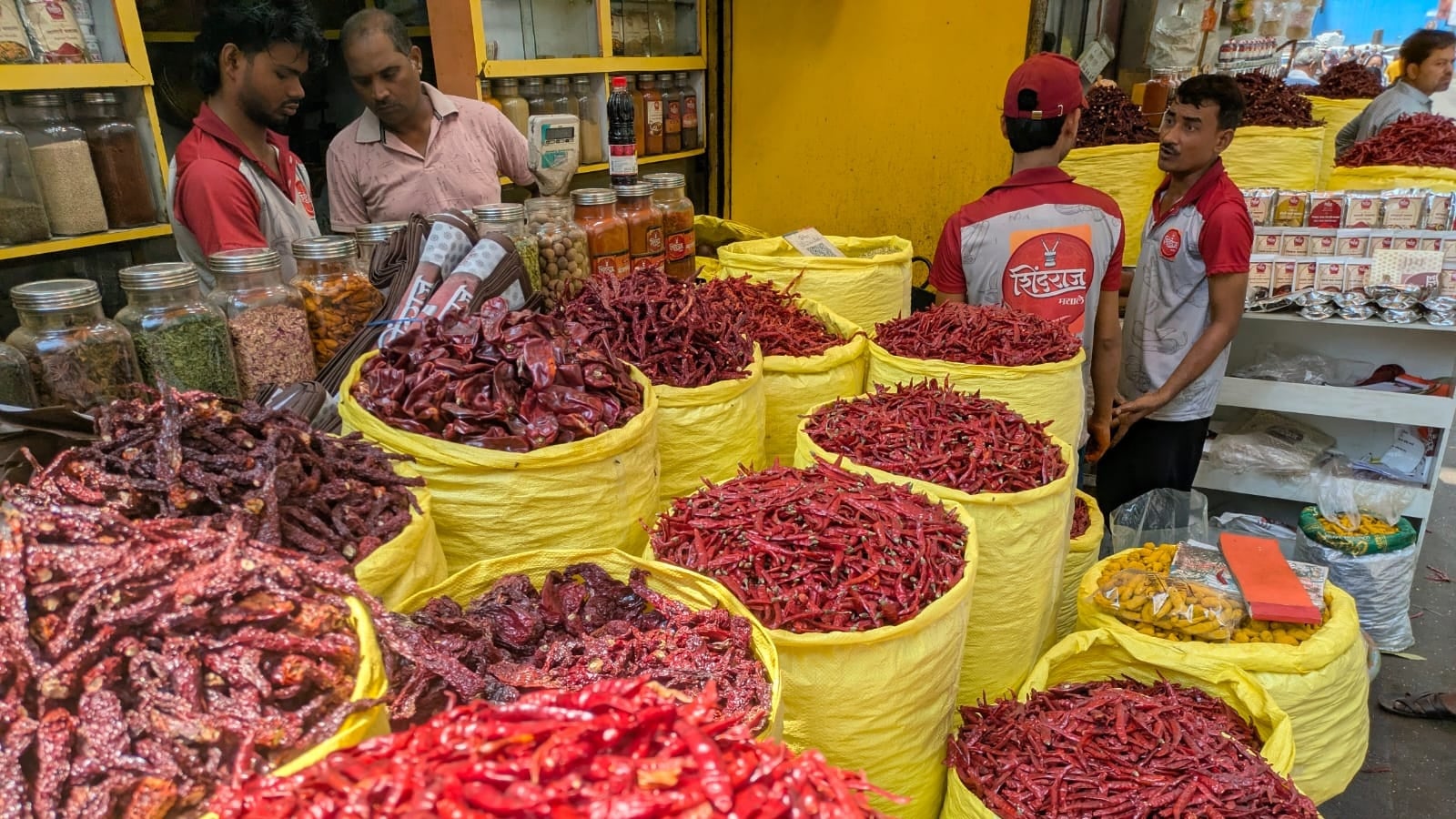
Mirchi Galli, located in the Lalbaug area of Mumbai, has served as the city’s primary spice hub for over a century. This narrow lane is famous for its wide variety of dried chilies and custom-made spice blends that define the flavor of local cooking. For 100 years, it has survived changes in the city, remaining a vital spot for families who prefer fresh, hand-ground spices over packaged goods. The market represents a deep connection between Mumbai’s history and its food traditions.
Main Impact
The continued success of Mirchi Galli shows that traditional food markets can still thrive in a world of modern supermarkets. While many people now buy pre-packaged spices from big brands, thousands of residents still travel to Lalbaug every year to get their "yearly stock" of masala. This market supports hundreds of small business owners and workers who keep ancient grinding techniques alive. It also acts as a cultural anchor for the city, preserving the specific tastes of different communities, such as the Malvani, Agri, and Koli people.
Key Details
What Happened
Mirchi Galli started as a small collection of stalls serving the local mill workers of Lalbaug. Over ten decades, it grew into a massive wholesale and retail center. Every year, between the months of March and May, the lane becomes incredibly busy. This is known as the "Masala Season." During this time, families buy large amounts of dried chilies, which are then cleaned, sun-dried on nearby rooftops, and taken to the "kandap" machines to be pounded into powder. The air in the lane is thick with the sharp scent of spice, a characteristic that has defined the area for generations.
Important Numbers and Facts
The market features dozens of shops, many of which are now run by the third or fourth generation of the same family. Traders source their products from across India, including Guntur in Andhra Pradesh and various regions in Karnataka and Maharashtra. Some of the most popular chili varieties sold here include the spicy Sankeshwari, the deep red Reshampatti, and the mild Kashmiri chili used for its bright color. Prices change based on the harvest, but the market remains the most cost-effective place to buy high-quality spices in bulk.
Background and Context
To understand Mirchi Galli, one must understand the history of Lalbaug. In the early 20th century, this area was the center of Mumbai’s textile industry. Thousands of workers lived in nearby tenements called chawls. These workers needed food that was flavorful, spicy, and affordable. The spice market grew to meet this demand. Even after the textile mills closed down in the 1980s, the market stayed. It evolved from a local neighborhood spot into a destination for people from all over the state. Today, even professional chefs and restaurant owners visit the lane to find specific blends that cannot be found anywhere else.
Public or Industry Reaction
Regular customers often say that the quality of spices in Mirchi Galli is far better than anything found in a plastic bag at a grocery store. They value the ability to choose their own chilies and watch them being ground into powder. However, the work is not easy. Laborers in the market spend all day breathing in spicy dust, which can lead to breathing problems over time. Despite these health risks, many workers stay in the trade for decades because of the steady demand. Industry experts note that while online shopping is growing, the sensory experience of smelling and feeling the spices keeps the physical market alive.
What This Means Going Forward
The future of Mirchi Galli depends on how well it can adapt to a younger generation of shoppers. Some shop owners have started selling their products online and using better packaging to reach customers who live far away. There is also a growing interest in organic and pure foods, which plays into the strengths of this market. While the physical space is crowded and old, the demand for authentic flavors is stronger than ever. The main challenge will be maintaining the traditional "kandap" pounding method as modern electric grinders become more common, as many believe the old way produces a better taste.
Final Take
Mirchi Galli is a rare example of a traditional industry that has not been replaced by modern technology. It remains a place where history is felt through the senses. As long as people in Mumbai value the specific, fiery flavors of home-cooked meals, this century-old spice lane will continue to be the heart of the city’s kitchen. It is a reminder that some things are better done the old-fashioned way.
Frequently Asked Questions
What is the best time to visit Mirchi Galli?
The best time to visit is between March and May. This is when the new crop of chilies arrives, and the market is most active with people preparing their spice stocks for the year.
What are the most popular chilies sold there?
The most common types are Sankeshwari for high heat, Kashmiri for bright red color without too much spice, and Bedgi for a balance of both flavor and color.
Can you buy ready-made spice blends?
Yes, most shops sell famous pre-mixed blends like Garam Masala, Malvani Masala, and Goda Masala, or they can mix a custom blend based on your specific recipe.



