Summary
Former President Donald Trump has issued a stern warning to Iran as a critical deadline for a diplomatic deal approaches. He stated that the United States military is fully prepared and "raring to go" if a new agreement is not reached before the current truce ends. This statement signals a major shift in the current standoff, putting pressure on Iranian leaders to accept terms or face potential military consequences. The situation has caused immediate concern among global leaders who hope to avoid a new conflict in the Middle East.
Main Impact
The most direct impact of these comments is a sharp rise in regional tension. By suggesting that military action is a ready option, the rhetoric moves the conversation away from slow diplomacy and toward a possible confrontation. Global markets have already reacted, with oil prices showing signs of volatility as traders worry about the safety of shipping routes. Additionally, allies of the United States are now forced to decide whether they will support a more aggressive stance or continue pushing for a purely peaceful solution.
Key Details
What Happened
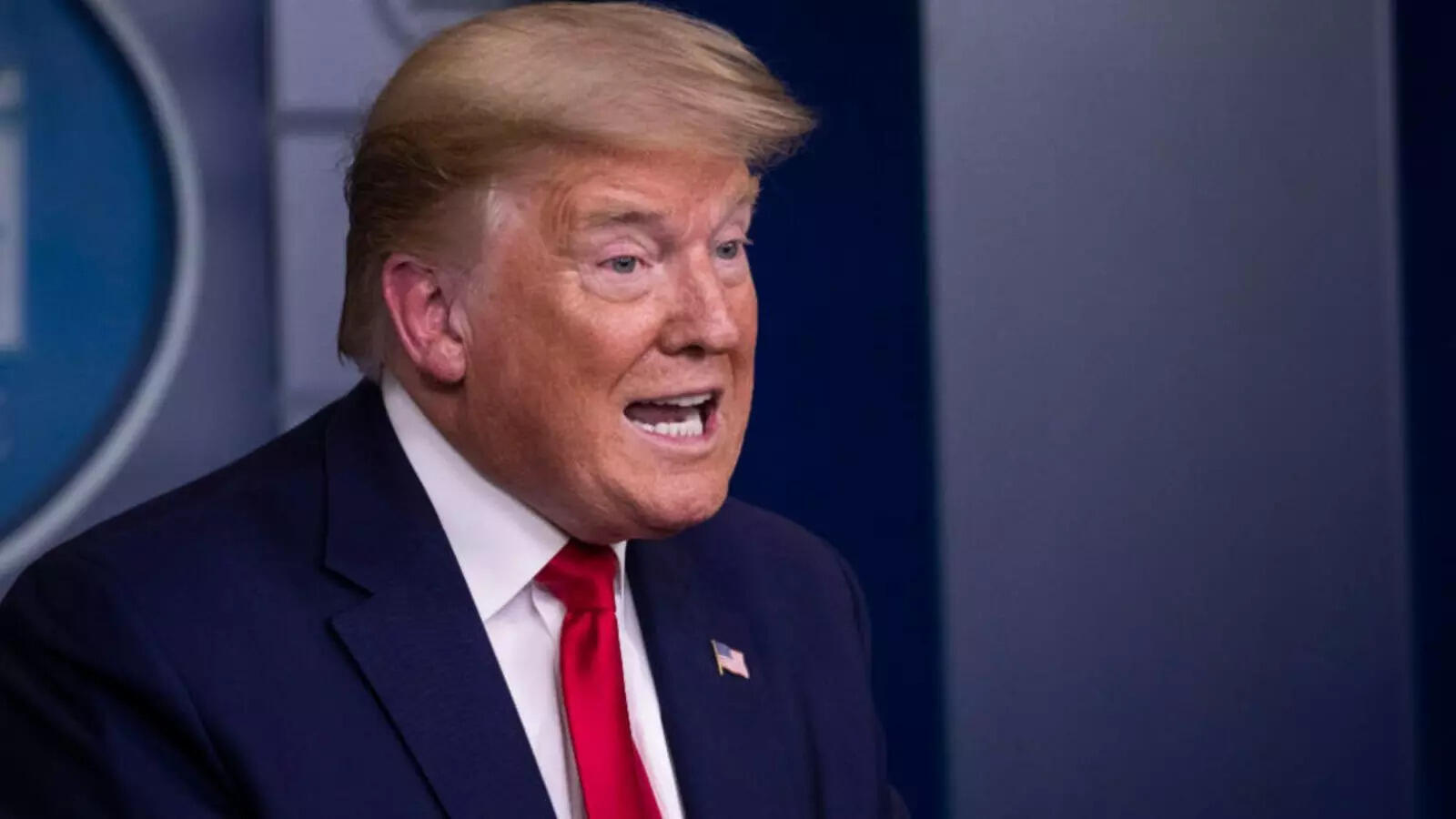
During a recent public address, Trump spoke about the ongoing negotiations with Iran. He explained that the temporary pause in hostilities, which has lasted for several months, is about to expire. According to his statement, the time for talking is nearly over. He claimed that while he would prefer to sign a deal that prevents Iran from developing nuclear weapons and stops its support for regional groups, he is not afraid to use force. He described the military as being in a state of high readiness, waiting for the order to act if the truce period ends without a signed contract.
Important Numbers and Facts
The current truce is set to expire in less than 30 days. Reports suggest that the United States has increased its naval presence in the region, including the deployment of an additional aircraft carrier group. Economic data shows that Iran’s currency has dropped in value following these statements, as local businesses fear the return of heavy sanctions or physical strikes. On the diplomatic side, there have been over twelve rounds of talks in neutral cities, but major sticking points regarding uranium enrichment levels remain unresolved.
Background and Context
To understand why this matters, it is important to look at the history of the disagreement. For years, the United States and its allies have tried to stop Iran from building nuclear power that could be used for weapons. Iran has always said its program is for peaceful energy, but many countries do not believe this. A few years ago, a major deal was signed, but it later fell apart. Since then, both sides have been in a cycle of threats and short-lived pauses. The current "truce" was meant to be a final chance for both sides to agree on a long-term plan for peace and trade.
Public or Industry Reaction
The reaction to the "raring to go" comment has been mixed. Within the United States, some political figures argue that a strong show of force is the only way to make Iran listen. They believe that showing weakness only leads to more trouble later. However, other leaders and international groups have expressed worry. The United Nations has called for both sides to stay calm and keep talking. In the tech and energy industries, experts are concerned that a conflict could disrupt the supply of electronic parts and fuel, which would make prices go up for people all over the world.
What This Means Going Forward
The next few weeks will be a high-stakes period for international relations. If Iran comes to the table with new offers, we might see a last-minute deal that brings stability to the region. If they do not, the risk of a military strike becomes very real. The United States military will likely continue to move equipment and personnel into the area to show they are serious. This could lead to a "brinkmanship" scenario, where both sides wait until the very last second to see who will give in first. For regular people, this means keeping a close eye on energy costs and global news updates.
Final Take
The use of strong military language is a classic tactic to gain leverage in a difficult negotiation. While the threat of force is clear, the goal remains a signed agreement that avoids the high cost of war. The world is now watching to see if this pressure will lead to a breakthrough or if the end of the truce will mark the start of a much more dangerous chapter in the Middle East. Clear communication and a willingness to find middle ground will be the only way to prevent the situation from turning into a full-scale conflict.
Frequently Asked Questions
What is the "truce" mentioned in the news?
The truce is a temporary agreement between the United States and Iran to stop military actions and heavy threats while they try to negotiate a long-term deal regarding nuclear programs and regional safety.
Why did Trump say the military is "raring to go"?
This phrase is used to show that the military is fully prepared, trained, and ready to act immediately if the political leaders decide that diplomatic talks have failed.
How could this affect the price of gas and goods?
If tensions lead to a conflict, it can block important shipping lanes where oil and products are moved. This usually causes the price of gas and everyday items to go up because it becomes harder and more expensive to move them around the world.