
Summary
Global leaders are making a new push for peace in the Middle East as diplomatic talks begin again. While these talks offer hope, the situation remains tense in the Strait of Hormuz, where the U.S. Navy is monitoring unidentified ships. At the same time, the stock market has reached new record highs, even as the tech industry deals with the fallout from a recent attack on OpenAI leader Sam Altman. These events show a world moving between the hope for stability and the reality of ongoing security risks.
Main Impact
The most significant impact of these developments is the mixed signal it sends to the global economy. On one hand, the possibility of peace could lower risks for international trade and energy supplies. On the other hand, the "cat-and-mouse" games in the Strait of Hormuz keep the threat of higher costs alive. This tension is why oil prices remain high even in countries that produce enough energy for themselves. Investors are currently optimistic, pushing markets to record levels, but they are also watching how the U.S. handles maritime threats and how the tech world responds to rising anti-AI sentiment.
Key Details
What Happened
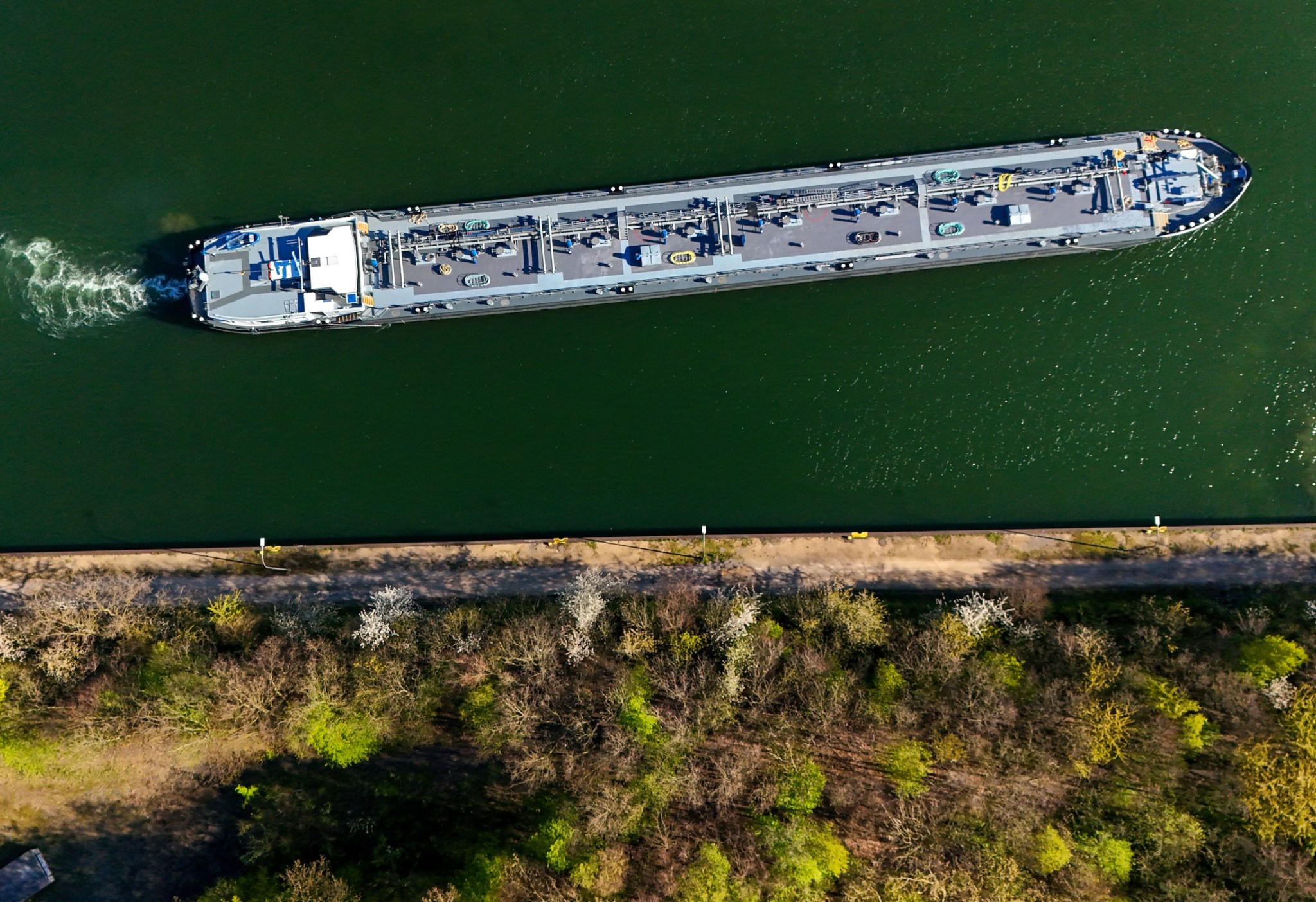
In the Middle East, diplomats are back at the table trying to find a way to end long-standing conflicts. This move toward peace comes at a critical time when many feared the violence would spread. However, the U.S. military is currently busy in the Strait of Hormuz. They are tracking "rogue ships" that are moving in ways that threaten the safety of trade routes. These ships often hide their identity or change their course to avoid being caught, creating a difficult game of hide-and-seek on the water.
In the business world, Jamie Dimon, the head of JPMorgan Chase, made headlines by selling $40 million worth of his company’s stock. This is a rare move for the banking leader and has caused many to wonder about his view on the future of the economy. Meanwhile, the diamond market is seeing a massive drop in prices, making the luxury stones cheaper than they have been in years.
Important Numbers and Facts
- $40 Million: The value of the stock sold by Jamie Dimon.
- Record Highs: Major stock market indexes reached their highest points ever this week.
- Strait of Hormuz: A narrow waterway where about 20% of the world's oil passes through.
- Anti-AI Groups: Organizations like "Pause AI" and "Stop AI" are being investigated following the physical attack on Sam Altman.
Background and Context
The Strait of Hormuz is one of the most important places in the world for the global economy. It is a small stretch of water that connects oil producers in the Middle East to the rest of the world. If this path is blocked or becomes too dangerous, the price of everything from gasoline to plastic goes up. This is why the U.S. Navy spends so much time and money protecting it.
The situation with Sam Altman and AI groups is also a major shift. For years, people have debated whether artificial intelligence is safe. Recently, this debate turned into physical conflict. Groups that want to stop AI development are now facing serious questions from the police and the public. This shows that the fear of new technology is moving from online arguments to real-world actions.
Public or Industry Reaction
The reaction to these events is split. Wall Street is celebrating the record-high stock prices, showing that many investors believe the economy is strong. However, energy experts are warning that self-sufficiency does not protect a country from high oil prices. Because oil is traded on a global market, trouble in the Middle East raises prices for everyone, regardless of where the oil is pumped. In the tech sector, there is a growing sense of worry. The attack on Sam Altman has led to calls for better security for tech leaders and more rules for groups that oppose AI progress.
What This Means Going Forward
In the coming weeks, the success or failure of the peace talks will be the main thing to watch. If a deal is reached, it could lead to a long period of lower energy prices and safer trade. If the talks fail, the tensions in the Strait of Hormuz could get worse, leading to a possible military conflict. For the average person, this means gas prices might stay high for a while longer. We should also expect to see more news about Jamie Dimon and other big bank leaders. If they continue to sell their stocks, it might be a sign that they expect the market to drop soon. Finally, the diamond industry may have to change how it sells stones as low prices make them less of a "luxury" item for some buyers.
Final Take
The world is currently in a state of balance. We are seeing record-breaking wealth in the stock market and the potential for peace in a troubled region. Yet, the presence of rogue ships and the violent turn in the AI debate remind us that stability is fragile. Staying informed about these global shifts is the best way to understand how they will eventually affect your own wallet and daily life.
Frequently Asked Questions
Why do oil prices stay high if a country produces its own oil?
Oil is a global product. Even if a country makes enough for itself, its producers will sell it at the highest price they can get on the world market. If there is trouble in the Middle East, the global price goes up, and local prices follow.
What is happening with the anti-AI groups?
Groups like "Pause AI" are being questioned by authorities after an attack on Sam Altman. These groups believe that AI is a danger to humanity and want to stop its development, but their methods are now under legal scrutiny.
Why did Jamie Dimon sell $40 million in stock?
While Dimon has not given a specific reason, large stock sales by bank CEOs are often watched closely. It could be for personal financial planning, or it could be a sign that he wants to take profits while the market is at a record high.



