
Summary
The Mumbai Metropolitan Region Development Authority (MMRDA) has decided to keep the project consultant for Metro Line 4 despite a previous promise to remove them. This decision comes after a fatal accident in Mulund where a concrete slab collapsed, leading to the loss of lives. While the authority initially claimed it would have "zero tolerance" for safety failures, it has now quietly allowed the firm to continue its work. This move has raised serious concerns about how safety and accountability are handled in major city infrastructure projects.
Main Impact
The primary impact of this decision is a perceived weakening of safety standards for Mumbai’s massive transit projects. By retaining a consultant that was previously blamed for a lack of oversight, the MMRDA may be signaling that project deadlines are more important than strict punishment for safety lapses. This "U-turn" suggests that the difficulty of finding a replacement firm outweighed the need to hold the current consultant fully responsible for the Mulund tragedy.
Key Details
What Happened
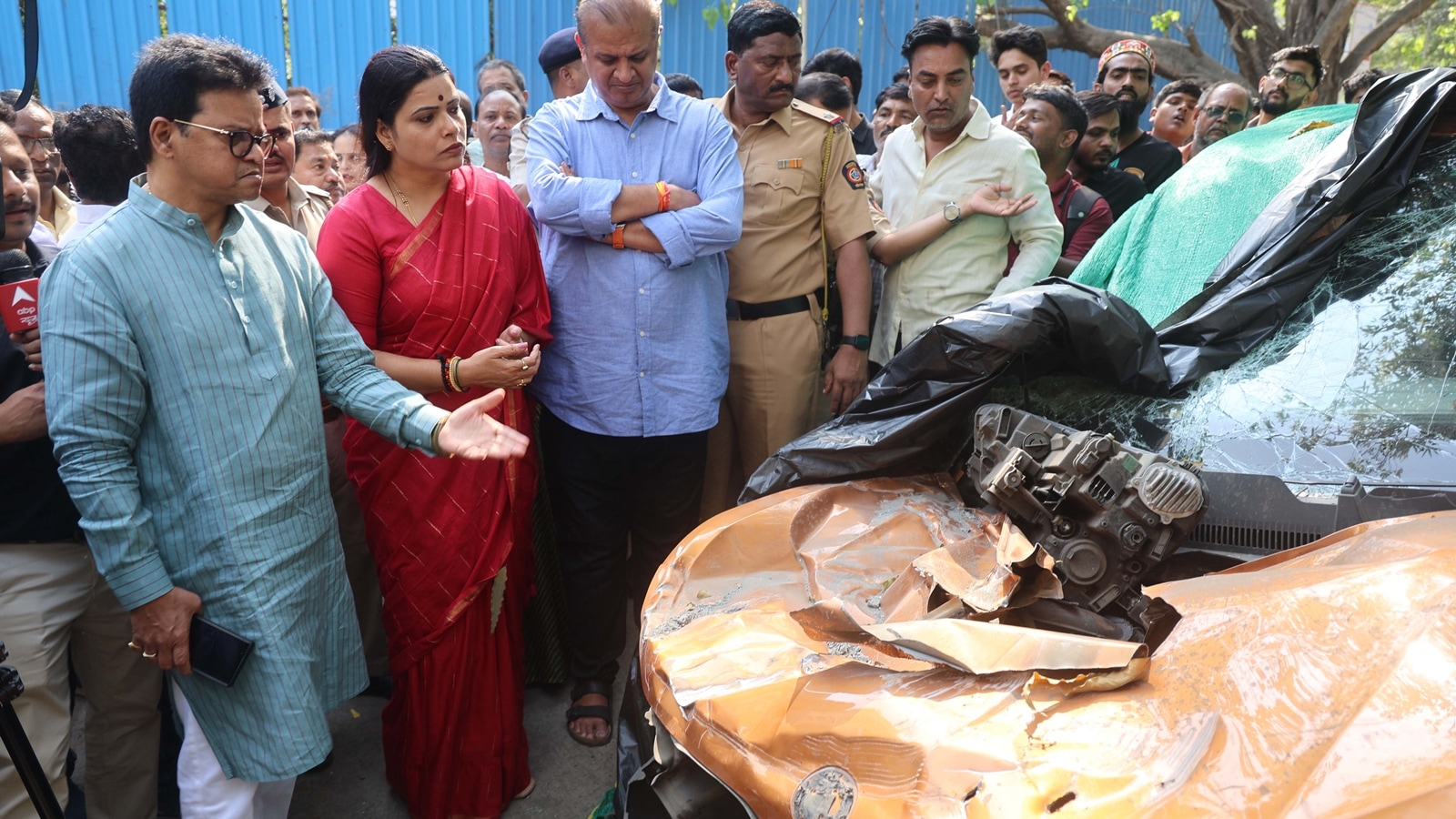
The incident occurred at a construction site for Metro Line 4 in the Mulund area. During the work, a heavy concrete slab fell from the elevated structure. The collapse resulted in fatalities, sparking immediate anger from the public and government officials. In the days following the accident, MMRDA leadership spoke strongly about the need for consequences. They issued a formal notice to the Project Management Consultant (PMC), stating that their services would be terminated because they failed to ensure the contractor followed safety rules.
However, recent reports show that the termination never happened. Instead of hiring a new firm to oversee the work, the MMRDA allowed the original consultant to stay on the job. This change in direction happened without a public announcement, contradicting the earlier promises of strict action.
Important Numbers and Facts
Metro Line 4 is a major project designed to connect Wadala in Mumbai to Kasarvadavali in Thane. The entire route stretches over 32 kilometers and is expected to serve hundreds of thousands of commuters daily. The project has faced several delays over the years due to land issues and technical challenges. The consultant in question is responsible for monitoring every step of the construction to ensure it meets quality and safety standards. Replacing such a firm mid-way through a project can often lead to delays of six months to a year, which is a factor many believe influenced the MMRDA’s final choice.
Background and Context
To understand why this matters, it is important to know what a project consultant does. In big construction jobs, the government hires an outside firm to act as its "eyes and ears." This firm is supposed to check the materials, watch the workers, and make sure everything is built according to the plan. If a slab falls, it usually means someone was not watching closely enough or that safety checks were skipped.
Mumbai is currently seeing a massive boom in metro construction. With several lines being built at the same time, the pressure to finish on time is very high. Metro Line 4 is a critical link for people living in the eastern suburbs and Thane. Because the project is already behind schedule, the government is under pressure to avoid any further pauses. This pressure often creates a conflict between finishing the work quickly and making sure the companies in charge are held accountable when things go wrong.
Public or Industry Reaction
The reaction to this news has been one of disappointment among safety activists and local residents. Many feel that the "zero tolerance" talk was merely a way to calm public anger immediately after the deaths. Critics argue that if there are no real consequences for fatal mistakes, contractors and consultants might continue to take risks. Within the industry, some experts point out that the MMRDA was in a difficult spot. Finding a new consultant involves a long bidding process, and a new firm might be hesitant to take over a project that already has safety issues and delays.
What This Means Going Forward
Going forward, the focus will be on whether the MMRDA increases its own internal checks to make up for the consultant's past failures. The authority will likely face more scrutiny from the media and the public every time a new phase of construction begins. There is also the risk that this decision sets a precedent. If other firms see that they can keep their contracts even after major accidents, the motivation to invest heavily in safety might decrease. The government will need to prove that even though the consultant stayed, the safety protocols have actually been improved to prevent another collapse.
Final Take
Building a city's future should never come at the cost of human life. While finishing the Metro Line 4 is vital for Mumbai’s growth, the decision to retain a consultant after a fatal error raises questions about the value of accountability. True safety is not just about following rules after an accident happens; it is about ensuring that those responsible for oversight are held to the highest possible standard. For the public to trust these large-scale projects, the authorities must show that safety is a requirement, not a choice that can be negotiated to save time.
Frequently Asked Questions
Why did the MMRDA decide to keep the consultant?
While not officially stated, it is believed the decision was made to avoid further delays. Hiring a new consultant is a slow process that could have stopped work on Metro Line 4 for many months.
What was the consultant's role in the Mulund accident?
The consultant was responsible for overseeing the construction site. The fatal slab collapse suggested a failure in their duty to ensure the contractor was following proper safety and engineering steps.
What is Metro Line 4?
Metro Line 4 is a 32.3-kilometer long elevated metro corridor that will connect Wadala, Ghatkopar, and Mulund in Mumbai to Thane and Kasarvadavali.



