
Summary
Meta has significantly increased its plans for a massive artificial intelligence data center in rural Louisiana. The company will now fund the construction of 10 gas-fired power plants to provide electricity for the site, which is known as the Hyperion campus. This new agreement more than triples the number of power plants originally planned for the project. The scale of the energy production is so large that it could power millions of homes, marking a major shift in how tech companies manage their energy needs.
Main Impact
The primary impact of this development is the massive increase in energy production for the state of Louisiana. By building 10 new gas-fired plants, Meta is adding 7.5 gigawatts of capacity to the local power grid. To put this in perspective, this represents a 30% increase in the entire power capacity of the state. This move highlights the extreme energy demands of modern artificial intelligence and shows that tech giants are now willing to finance entire power grids to keep their systems running.
Key Details
What Happened
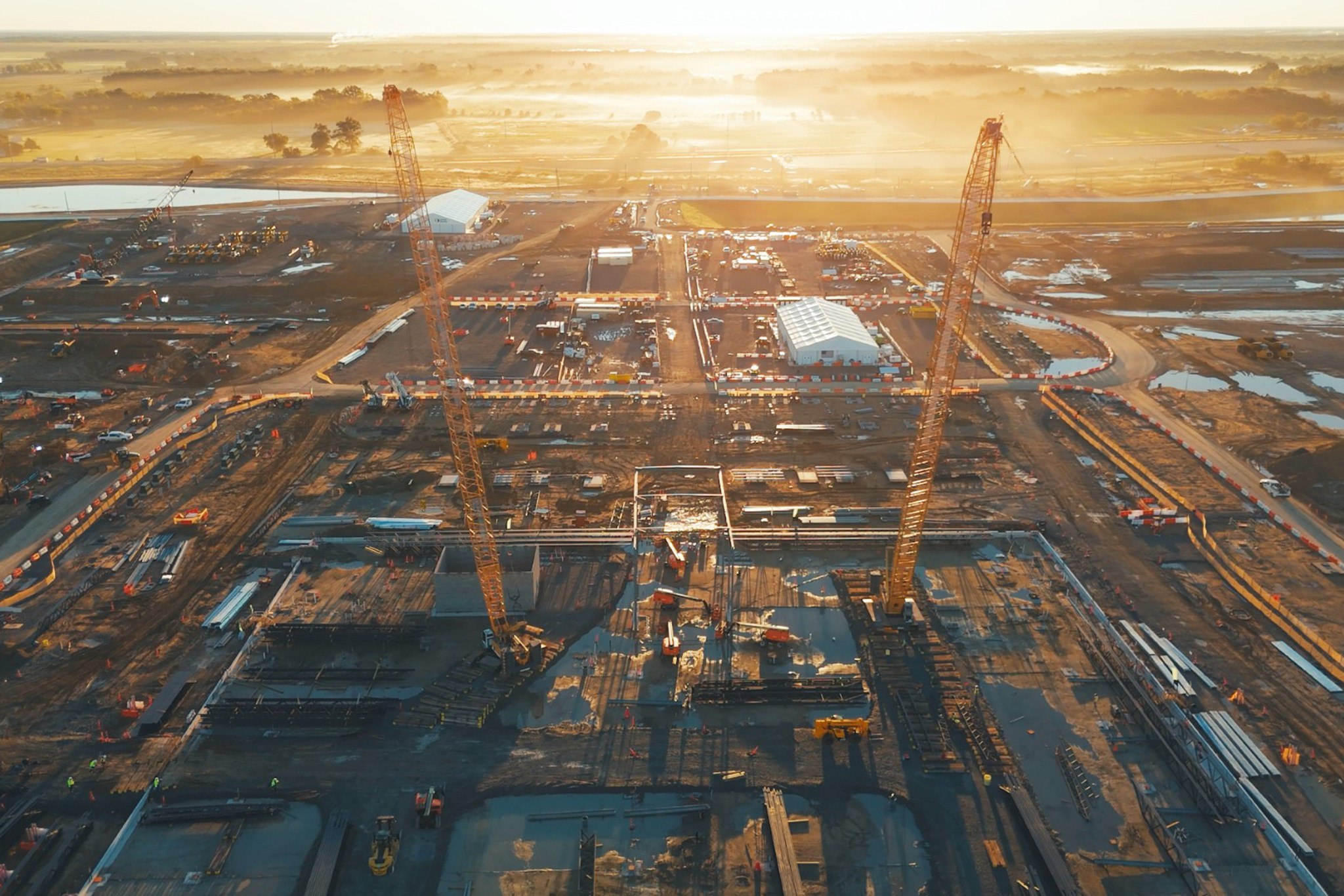
Meta reached a new agreement with Entergy, a utility company based in New Orleans, to build and pay for seven new gas power plants. These seven plants are in addition to three plants that were already approved last year. Together, these 10 facilities will serve the Hyperion AI campus in Richland Parish. The project has grown quickly, with Meta quietly buying more land to expand the site to over 3,600 acres. Meta CEO Mark Zuckerberg has compared the size of the campus to a large portion of Manhattan.
Important Numbers and Facts
The financial and physical scale of the Hyperion project is record-breaking for the region. The 10 power plants alone are expected to cost nearly $11 billion. When including the data center buildings and technology, the total cost of the development could reach $27 billion. In addition to the gas plants, Meta has agreed to fund up to 2.5 gigawatts of renewable energy and battery storage. The project is being supported by a joint venture with Blue Owl Capital to ensure the long-term operation of the hub.
Background and Context
Artificial intelligence requires an immense amount of computing power. Unlike traditional websites, AI models need to process vast amounts of data every second, which generates heat and uses constant electricity. As companies like Meta race to build more advanced AI, they are finding that existing power grids cannot handle the load. This is why Meta is choosing to build its own dedicated power sources. Richland Parish, a rural area in northeastern Louisiana, was chosen because it offers the space needed for such a giant facility. This project is part of a larger trend where tech companies are moving into rural areas to build the infrastructure needed for the next generation of the internet.
Public or Industry Reaction
The announcement had an immediate effect on the stock market. Shares of Entergy rose by 7% following the news, reaching a record high market value of approximately $50 billion. Company leaders at Entergy have praised the deal, noting that Meta is paying for the construction costs. This means the costs are not being passed down to regular local customers in their monthly bills. However, some critics are cautious. They worry about what happens after the 15-year contract ends. If Meta decides it no longer needs the power in the future, there is a concern that local taxpayers might eventually be responsible for maintaining the massive power plants.
What This Means Going Forward
The next step for this project is getting final approval from the Louisiana Public Service Commission. While the first three plants were already authorized, the seven new plants must go through the same regulatory process. If approved, this project will likely make Louisiana a major center for AI technology in the United States. It also sets a new standard for how data centers are built. Instead of just connecting to the existing grid, future tech projects may follow this model of building and financing their own dedicated power plants from the start. This ensures they have a steady supply of energy without causing blackouts for local residents.
Final Take
Meta’s massive investment in Louisiana shows that the future of artificial intelligence depends as much on physical energy as it does on software code. By building a power system that rivals the size of some small countries' grids, Meta is securing its place in the AI race. While the economic benefits to the state are clear, the long-term impact on the environment and the local energy market will be watched closely by regulators and the public for years to come.
Frequently Asked Questions
Why does Meta need 10 power plants?
Meta is building a massive AI data center called Hyperion. AI technology uses a huge amount of electricity to process data 24 hours a day, and the existing power grid is not strong enough to support it without these new plants.
Who is paying for the construction of these plants?
Meta is paying for the construction and financing of the plants. The utility company, Entergy, stated that this prevents the costs from being added to the bills of regular electricity customers in Louisiana.
Where is the Hyperion campus located?
The campus is located in Richland Parish, which is a rural area in northeastern Louisiana. The site covers more than 3,600 acres of land.



