Summary
Federal health care spending in the United States has reached a major turning point. New reports show that the government is now spending more on health programs than on national defense or Social Security. Over the next ten years, the cost of Medicare is expected to double, reaching nearly $2 trillion per year. This massive increase in spending, combined with recent tax cuts, means that the main fund for Medicare could run out of money much sooner than experts previously thought.
Main Impact
The rising cost of health care is changing how the U.S. government uses its money. For the first time, health care has become the largest part of the federal budget. This growth is happening so fast that it could make it harder for the government to pay for other important things, like education or infrastructure. If the current trend continues, health care will account for 30% of all new government spending over the next decade. This shift puts a heavy strain on the nation's financial health and threatens the long-term safety of programs that millions of people rely on for their medical needs.
Key Details
What Happened
The Congressional Budget Office (CBO) and the Committee for a Responsible Federal Budget (CRFB) recently looked at the country’s financial future. They found that the government is on a path to spend more than $26 trillion on major health programs by the year 2036. The most significant change is in Medicare, the program that provides health insurance for seniors. While Medicare costs are soaring, the money coming in to pay for these services is dropping. This has created a gap that could lead to a financial crisis for the program in the near future.
Important Numbers and Facts
The data shows some very large numbers that highlight the scale of the problem. Medicare spending is expected to jump from $988 billion in 2025 to almost $2 trillion by 2036. Other programs are also seeing big increases. Medicaid and the Children’s Health Insurance Program (CHIP) are projected to grow by 36% over the next ten years. Additionally, the money the government spends to help people buy insurance through the Affordable Care Act (ACA) is expected to rise by one-third. Perhaps the most worrying fact is that the Medicare Hospital Insurance Trust Fund is now expected to run out of money by 2040. Just one year ago, experts thought this fund would last until 2052.
Background and Context
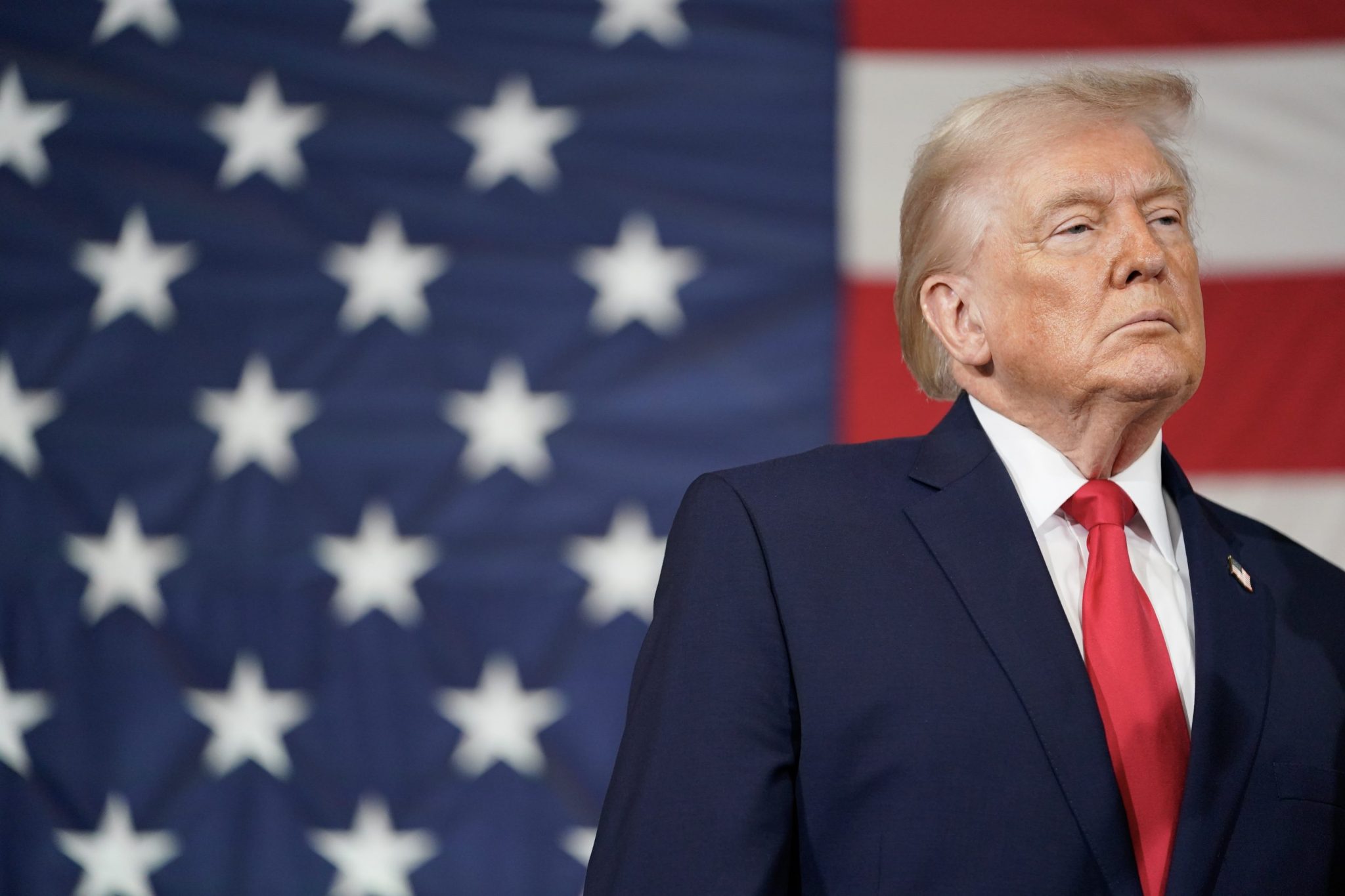
To understand why this is happening, it is important to look at two main factors. First, the cost of medical care in the U.S. is rising quickly. As the population gets older, more people need expensive treatments and long-term care. Second, a recent law called the "One Big Beautiful Bill Act" introduced by President Donald Trump has changed how much money the government collects. This law included large tax cuts that reduced the amount of money flowing into the Medicare trust fund. Specifically, it cut taxes on Social Security benefits, which are a major source of income for Medicare. Because less money is coming in and more is going out, the timeline for the fund’s survival has been cut short by 12 years.
Public or Industry Reaction
There are different views on how to handle this situation. President Trump has stated that he will always protect Medicare and Social Security. During his State of the Union address, he promised that these programs would remain safe under his leadership. However, budget experts at the CRFB are concerned that these promises do not match the financial reality. They have suggested several ways to save money without cutting care. One idea is to make sure the government pays the same price for a medical service regardless of whether it happens in a hospital or a small clinic. They also suggested looking closely at Medicare Advantage plans to make sure the government is not overpaying private insurance companies.
What This Means Going Forward
If the government does not take action soon, the consequences could be severe. When a trust fund like Medicare’s runs out of money, the law says the program can only spend what it collects in taxes each year. This would likely lead to automatic cuts in benefits. Doctors and hospitals might receive lower payments, which could make it harder for patients to find care. There is also a risk for Social Security, which could face its own money shortage as early as 2031. Lawmakers will eventually have to choose between raising taxes, cutting benefits, or allowing the national debt to grow even larger to cover the costs.
Final Take
The U.S. health care system is at a crossroads where rising costs and falling tax revenues are meeting. While leaders promise to protect these vital programs, the math shows that the current path is not sustainable. Finding a way to balance the budget while still providing quality care for seniors and low-income families will be one of the biggest challenges for the government in the coming years. Without a clear plan, the safety net that millions of Americans count on could be in serious danger.
Frequently Asked Questions
Why is Medicare spending expected to double?
Medicare spending is rising because medical costs are going up and more people are reaching retirement age. As the population ages, the demand for health care services increases, which drives up the total cost for the government.
How did the recent tax cuts affect Medicare?
The tax cuts reduced the amount of money the government collects from taxes on Social Security benefits. Since a portion of those taxes normally goes into the Medicare trust fund, the cuts have left the fund with less money to pay for hospital care.
What happens if the Medicare trust fund runs out of money?
If the fund is exhausted, the program will only be able to pay for services using the tax money it receives at that time. This would likely result in a reduction in payments to health care providers or a decrease in the benefits available to patients.