
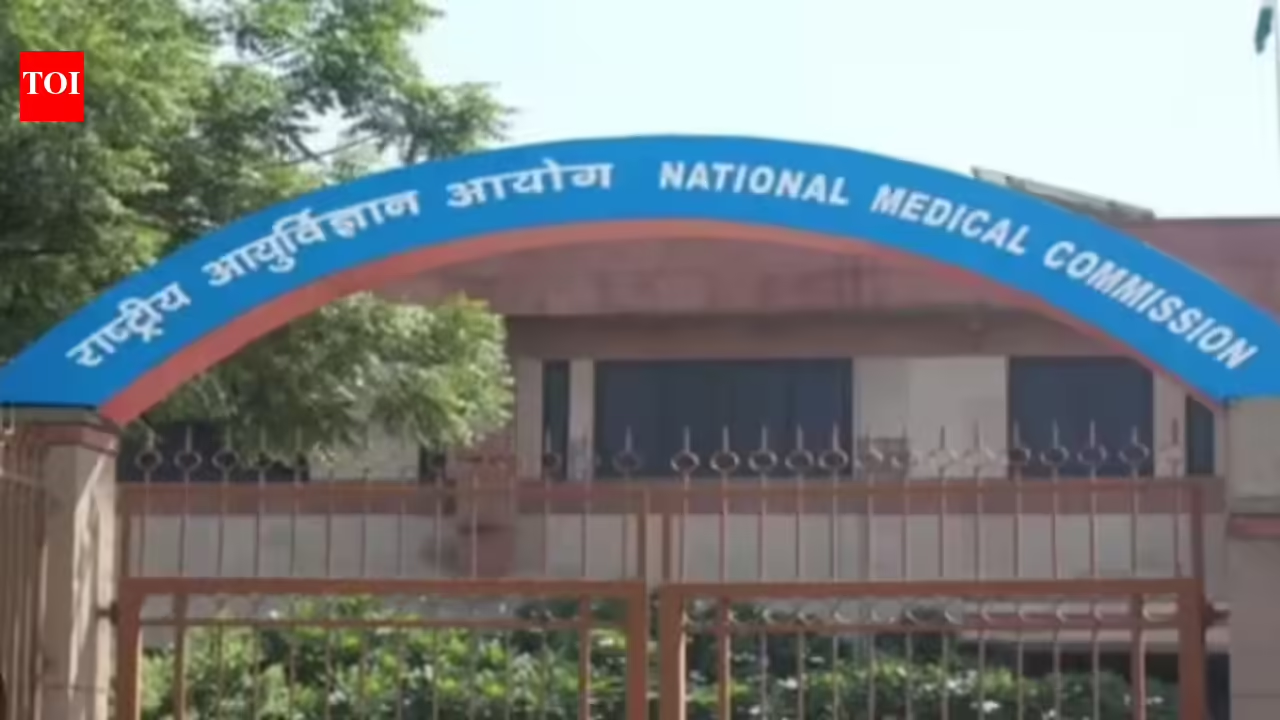
Summary
A significant number of medical colleges across India are failing to pay mandatory stipends to their interns. Recent reports indicate that at least 60 institutions have completely ignored the rules regarding payment for young doctors. Despite these clear violations, the National Medical Commission (NMC) has been criticized for not taking strong action against these colleges. This situation has left thousands of medical graduates in a difficult financial position while they perform essential duties in hospitals.
Main Impact
The failure to pay stipends has a direct and harsh impact on the lives of young medical professionals. These interns are required to work long hours, often doing the same tasks as full-time doctors, as part of their final training phase. When colleges refuse to pay them, it creates an unfair environment where only those from wealthy families can afford to complete their education. This practice violates basic labor rights and ignores the legal requirements set by the government to protect student doctors from exploitation.
Key Details
What Happened
The issue came to light after several surveys and complaints from medical students across different states. It was discovered that 60 medical colleges, mostly in the private sector, have not been giving any money to their interns for months. Under the current law, every medical college must pay a monthly stipend to students during their one-year mandatory internship. However, many colleges claim they do not have the funds or simply ignore the letters sent by student unions and health activists.
Important Numbers and Facts
Data shows that the problem is widespread, affecting colleges in multiple regions. While the exact amount of the stipend varies from state to state, it is usually meant to cover basic living costs like food, travel, and housing. In some cases, students are forced to sign documents saying they received the money even when they did not. The National Medical Commission, which is the main body that controls medical education in India, has the power to cancel the licenses of these colleges but has so far failed to do so.
Background and Context
To become a licensed doctor in India, a student must complete four and a half years of study followed by one year of a Compulsory Rotatory Residential Internship (CRRI). During this year, they work in various hospital departments to gain hands-on experience. Because they are working full-time and providing care to patients, the law says they must be paid. This money is not just a gift; it is a salary for the work they do. For many students who have taken large loans to pay for their medical degrees, this stipend is the only way they can support themselves during their final year of training.
Public or Industry Reaction
Medical associations and student groups have expressed deep anger over the situation. Many doctors feel that the NMC is protecting the interests of college owners instead of looking after the students. There have been several protests and social media campaigns using hashtags to demand "equal pay for equal work." Activists point out that while private colleges charge very high tuition fees, they often try to save money by not paying their staff and interns. Some students have even taken the matter to court, asking judges to force the colleges to pay the arrears owed to them.
What This Means Going Forward
If the NMC continues to ignore this problem, it could lead to a decline in the quality of medical care. Interns who are stressed about money and feel cheated by their institutions may not be able to focus fully on patient care. There is a growing demand for a centralized system where stipends are paid directly into the students' bank accounts by the government or through a monitored portal. This would prevent colleges from lying about payments. In the coming months, the NMC will face more pressure to conduct physical audits of college accounts and punish those who break the law.
Final Take
Young doctors are the backbone of the healthcare system, especially in busy public hospitals. Expecting them to work for free is both illegal and unethical. The National Medical Commission must stop turning a blind eye and start holding these 60 colleges accountable. Ensuring that every intern gets paid is not just about following a rule; it is about respecting the hard work and dedication of the next generation of healers.
Frequently Asked Questions
Why is the stipend important for medical interns?
The stipend helps interns cover their daily living costs during a year when they are working full-time in hospitals and cannot take other jobs. It is a legal requirement to ensure they are compensated for their labor.
What is the role of the National Medical Commission (NMC)?
The NMC is the government body that sets the rules for medical education in India. It is responsible for making sure colleges follow standards, including the payment of stipends to students.
What can students do if they are not being paid?
Students can file formal complaints with the NMC, join medical associations to voice their concerns, or seek legal help through the courts to demand their rightful payments.



