
Summary
Prime Minister Narendra Modi recently reached out to the Matua community in West Bengal with a strong promise. He told the community that the government would speed up the process of giving them Indian citizenship. This move is part of the Citizenship Amendment Act (CAA), which aims to help refugees who came to India many years ago. For the Matua people, this promise is a major step toward gaining full legal rights and security in the country.
Main Impact
The Prime Minister’s promise has a direct impact on thousands of families living in West Bengal. By fast-tracking citizenship, the government is looking to provide these residents with official identity papers. This will allow them to access government jobs, buy land legally, and vote without any fear. On a larger scale, this development shifts the political focus in the region, making the rights of refugees a central topic for the upcoming months.
Key Details
What Happened
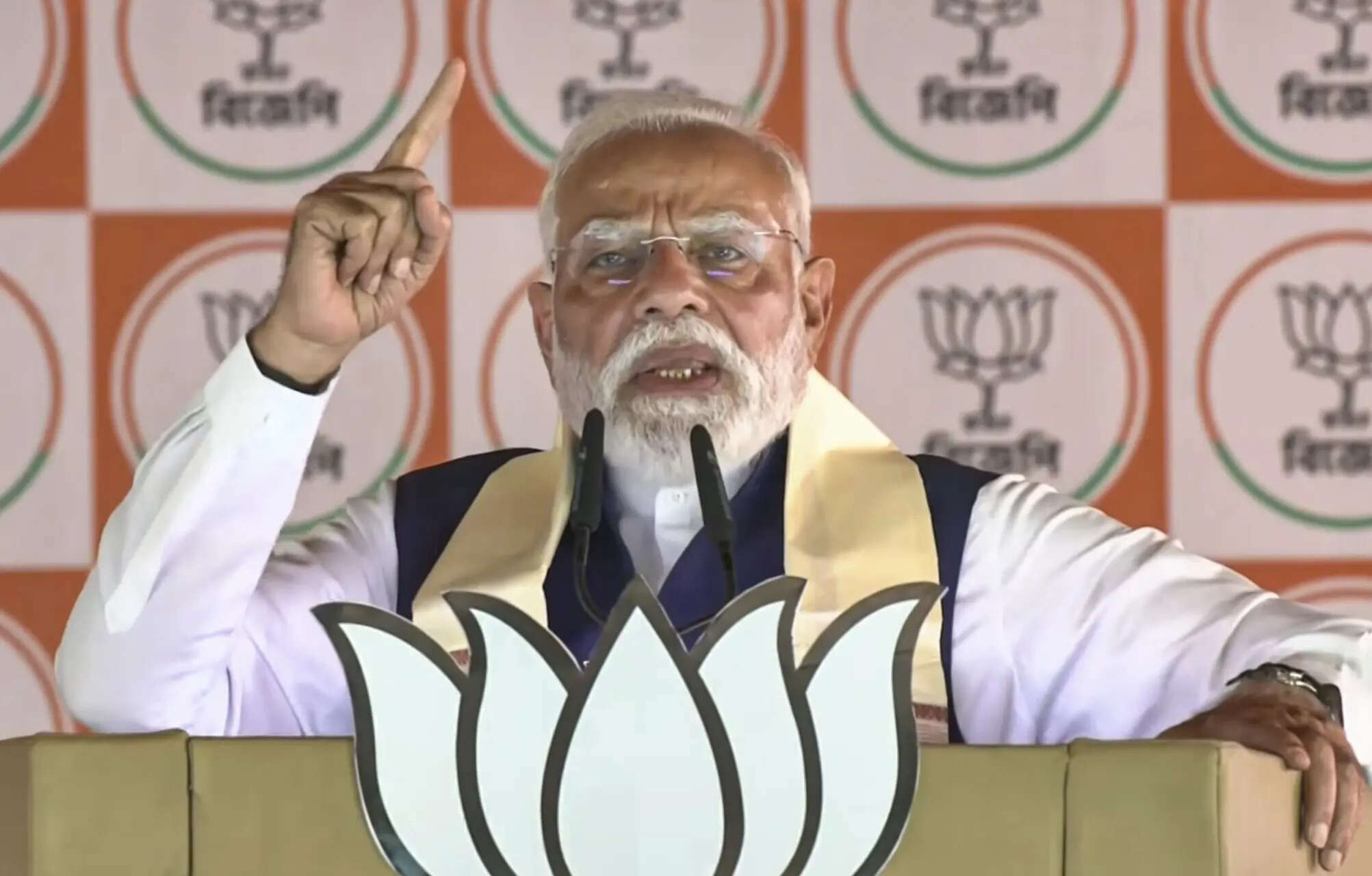
During a high-profile visit, the Prime Minister spoke directly to members of the Matua community. He explained that the federal government is committed to removing the hurdles that have kept them from becoming full citizens. He criticized local political leaders who he claimed were trying to scare the community or block the law. The Prime Minister assured the crowd that the law is meant to give rights, not take them away, and that the application process would be made as simple as possible.
Important Numbers and Facts
The Matua community makes up a large part of the population in several districts of West Bengal, including North 24 Parganas and Nadia. There are millions of people within this group who have been living in India for decades. The Citizenship Amendment Act was passed in 2019, but the specific rules for how to apply were only put into action more recently. The government has now set up an online portal to handle these applications quickly to avoid long delays at local offices.
Background and Context
To understand why this matters, we have to look at history. The Matuas are a group of people who originally lived in what is now Bangladesh. Many of them moved to India during the partition in 1947 and again during the war in 1971. They came to India to escape religious trouble and to find a safer life. Even though they have lived in India for a long time, many did not have the right papers to show they were citizens. This made it hard for them to get help from the government or feel fully at home. The CAA was created to help groups like the Matuas get their citizenship faster if they arrived in India before the end of 2014.
Public or Industry Reaction
The reaction to the Prime Minister’s announcement has been mixed. Many members of the Matua community celebrated the news, saying they have waited for this moment for over fifty years. They feel that they are finally being recognized as part of the country. However, some political opponents in West Bengal have raised concerns. They argue that the law might be used to divide people or that the document requirements are still too difficult for poor families to meet. Some activists are also watching closely to see if the government can actually deliver on the promise of a "fast" process, as government paperwork can often take a long time.
What This Means Going Forward
In the coming weeks, we can expect to see more activity on the government’s citizenship portal. The federal government will likely send teams to help people fill out their forms. The success of this plan depends on how easily the community can prove they have been living in India. If the process goes smoothly, it could lead to a major change in how these communities live and work. It will also likely remain a hot topic in local news as the government tries to prove that the system works better than it did in the past.
Final Take
The promise to fast-track citizenship is more than just a legal change; it is a promise of belonging for a community that has felt ignored for a long time. While there are still political and practical challenges to overcome, the focus on making the process simple and quick is a positive sign for those waiting for their papers. The true test will be how many people actually receive their citizenship certificates in the next few months.
Frequently Asked Questions
Who are the Matuas?
The Matuas are a religious and social group who moved to India from Bangladesh. They are a significant part of the Dalit community in West Bengal and have been seeking legal citizenship for many years.
What is the CAA?
The Citizenship Amendment Act (CAA) is a law that helps refugees from certain neighboring countries get Indian citizenship faster if they belong to specific religious groups and arrived in India before December 31, 2014.
How will the citizenship process be faster?
The government has introduced an online system to collect applications. This is designed to reduce the need for physical paperwork and to bypass local delays, making the entire process more direct and efficient.



