Summary
Worcestershire managed to avoid a quick defeat against Derbyshire thanks to a determined batting performance. Matthew Waite led the way with a patient innings that lasted 141 balls, scoring 66 vital runs. He was supported by Adam Hose and Henry Brookes, who both played key roles in keeping the team in the match. Their combined efforts stopped Derbyshire from winning by an innings and forced the game to continue longer than expected.
Main Impact
The primary impact of this performance was the shift in the match's momentum. Before Matthew Waite and his teammates took a stand, it looked like Worcestershire would lose the game very quickly. An innings defeat is often seen as a major blow to a team's confidence because it means they were unable to even match the opponent's first score after two tries.
By staying at the crease for a long time, Waite and the others took the pressure off their side. This fightback changed the mood in the dressing room and showed that the team has the mental strength to handle difficult situations. It also meant that Derbyshire's bowlers had to spend much more time on the field, which can lead to tiredness and frustration in a long cricket match.
Key Details
What Happened
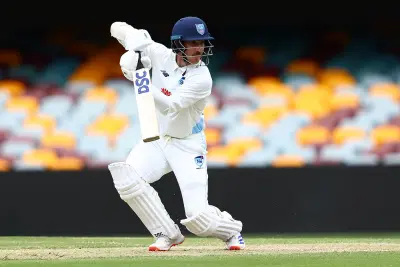
Worcestershire found themselves in a very tough spot early in the game. After a poor start, they were trailing Derbyshire by a large number of runs. The goal for the day was simple but difficult: stay at the crease as long as possible to avoid losing the game early. Matthew Waite took this responsibility seriously. He did not try to score quickly or take big risks. Instead, he focused on defending his wicket and making the bowlers work for every ball.
Adam Hose and Henry Brookes joined him at different stages of the innings. Their job was to provide support and keep the scoreboard moving slowly. While they were not trying to win the game in a single afternoon, their ability to build small partnerships was exactly what the team needed. This collective effort frustrated the Derbyshire players, who had hoped to finish the game before the day was over.
Important Numbers and Facts
The most important figure of the day was Matthew Waite’s 66 runs. While 66 might not seem like a huge score in some games, the fact that he faced 141 balls is the real story. This shows he spent a significant amount of time protecting his end. In professional cricket, time spent at the crease is often just as valuable as the runs scored, especially when a team is trying to save a match.
The partnership between Waite and the lower-middle order helped close the gap between the two teams' scores. By the time Waite was eventually out, the threat of an immediate innings defeat had passed. This gave Worcestershire a chance to fight on and potentially secure a better result than anyone expected earlier in the day.
Background and Context
In this type of cricket, matches last for four days. If one team scores a lot of runs in their first turn and the second team scores very few, the second team can be asked to bat again right away. If they still don't reach the first team's total after their second turn, they lose by an "innings." This is considered a very one-sided loss.
Worcestershire has been working hard to improve their consistency this season. Matches against local rivals like Derbyshire are always important for the league standings. Every point matters, and avoiding a heavy defeat can be the difference between staying in a good position or falling down the table. This match showed that even when things are going poorly, the players are willing to fight for every run.
Public or Industry Reaction
Cricket fans and experts have praised Matthew Waite for his "old-school" approach to batting. In a time when many players try to hit the ball hard and score fast, Waite showed the value of patience. Supporters on social media noted that this kind of toughness is what fans want to see when their team is in trouble.
Cricket analysts pointed out that Henry Brookes and Adam Hose also deserve credit for not giving up. It is easy for a team to lose hope when they are far behind, but these players showed great character. Derbyshire’s coaching staff likely felt some frustration, as their bowlers were unable to break through the defense of the Worcestershire tail-enders as quickly as they had planned.
What This Means Going Forward
For Worcestershire, this performance is a building block. It proves that they have players who can handle pressure. Going into their next few matches, the team will look to start better so they don't have to rely on these kinds of rescue acts. However, knowing they have the "staying power" to survive a difficult day is a big boost for their morale.
Derbyshire will need to look at how they can finish games more effectively. While they were in a winning position for most of the match, they struggled to take the final few wickets. This might lead to changes in their bowling tactics or field placements in future games. Both teams will take important lessons from this battle of wills.
Final Take
This match was a classic example of why long-form cricket is so respected. It wasn't about flashy shots or fast scoring; it was about who could stay focused the longest. Matthew Waite, Adam Hose, and Henry Brookes showed that with enough grit, a team can turn a certain disaster into a respectable fight. Their performance saved the game for Worcestershire and reminded everyone that the match isn't over until the final wicket falls.
Frequently Asked Questions
What is an innings defeat in cricket?
An innings defeat happens when a team bats twice but still fails to score more runs than the opposing team scored in just one turn. It is a sign of a very dominant win by the other side.
How many balls did Matthew Waite face?
Matthew Waite faced 141 balls during his innings. He scored 66 runs, focusing more on staying at the crease and defending his wicket than on scoring quickly.
Who helped Matthew Waite save the match?
Waite was supported by Adam Hose and Henry Brookes. Their ability to stay with him and build partnerships was key to preventing Derbyshire from winning the game early.