
Summary
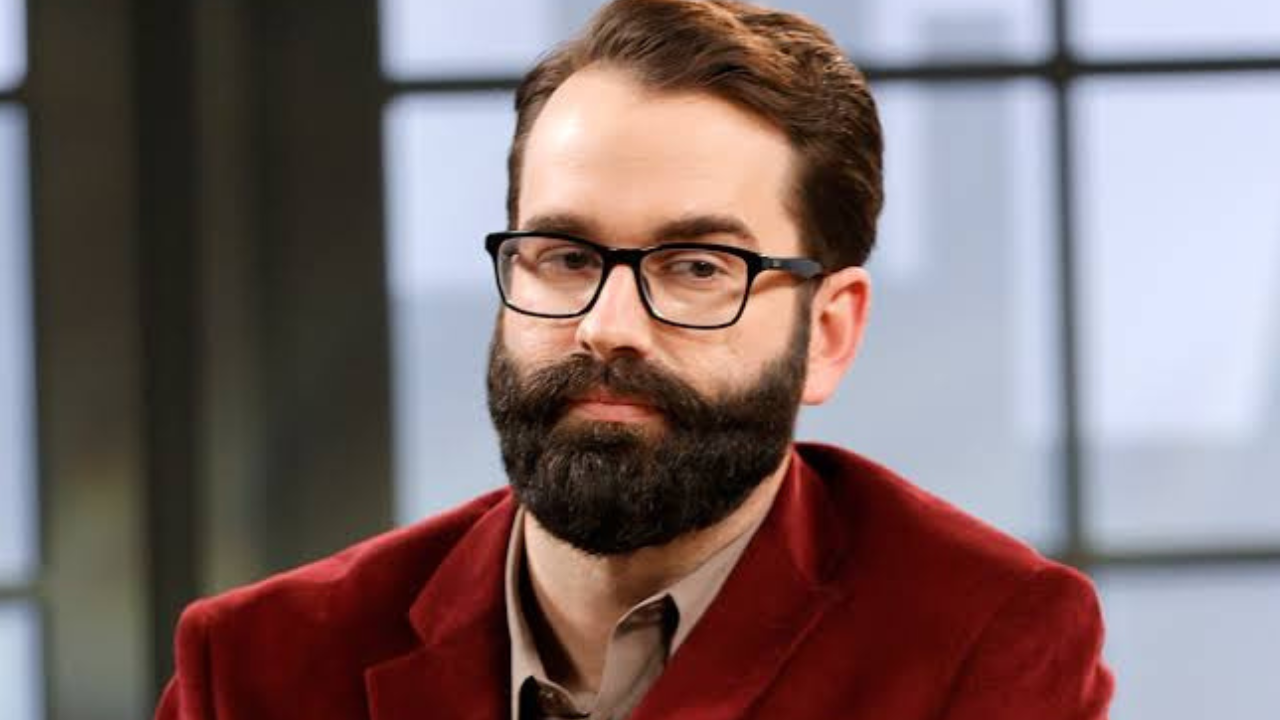
Conservative commentator Matt Walsh has sparked a major online debate after reacting to a viral video showing young adults failing to answer basic general knowledge questions. The video, filmed during a spring break event, features several teenagers and young adults who struggled with simple facts about history and current events. Walsh argued that this lack of awareness proves that the current voting age is too low. He is now calling for the legal voting age in the United States to be raised from 18 to 25 to ensure voters are more informed and mature.
Main Impact
The primary impact of this discussion is a growing focus on the quality of the American education system and the readiness of young citizens to participate in democracy. By suggesting a change to the voting age, Walsh has reignited a long-standing argument about when a person truly becomes an adult capable of making serious political decisions. This has led to a wider conversation about whether young people are being taught the necessary skills to understand how the world works before they are given the right to vote.
Key Details
What Happened
The controversy began when a video went viral on social media platforms. In the footage, an interviewer approached young people on a beach during spring break and asked them basic questions. These questions included naming the Vice President of the United States, identifying countries on a map, and answering simple historical questions. Many of the people interviewed could not provide correct answers, often appearing confused by topics that are usually taught in middle school. Matt Walsh shared his thoughts on the video, stating that it was a clear sign of a failing society and a broken school system.
Important Numbers and Facts
Currently, the 26th Amendment to the U.S. Constitution sets the minimum voting age at 18. This law was passed in 1971 during the Vietnam War. Walsh is proposing that this age be increased by seven years, moving it to 25. He believes that by age 25, individuals have more life experience, are more likely to be working, and have a better understanding of how government policies affect their daily lives. He also pointed out that modern technology, specifically AI tools like ChatGPT, might be making this problem worse by allowing students to finish school without actually learning or remembering facts.
Background and Context
The debate over the voting age is not new, but it has changed over time. For many years, the age was 21. It was lowered to 18 because people argued that if a person was old enough to be drafted into the military and fight in a war, they should be old enough to vote for the leaders who send them there. However, critics like Walsh argue that the world has changed. They suggest that young people today stay dependent on their parents for longer and do not reach full maturity until their mid-20s. There is also a concern that social media and a lack of focus on civics in schools have left a gap in what young voters know about their own country.
Public or Industry Reaction
The reaction to Walsh’s proposal has been deeply divided. Many of his followers agree, stating that they felt they did not know enough about the world when they were 18. They argue that older voters have more "skin in the game" because they pay more taxes and have more responsibilities. On the other hand, many critics argue that raising the voting age would be unfair. They point out that 18-year-olds are legally adults who can get married, sign contracts, and join the army. These critics believe that instead of taking away the right to vote, the focus should be on improving schools so that students are better prepared for the responsibilities of citizenship.
What This Means Going Forward
Changing the voting age would require a new amendment to the Constitution, which is an extremely difficult and slow process. It would need a two-thirds vote in both the House of Representatives and the Senate, followed by approval from three-fourths of the states. Because of this, it is unlikely that the age will change anytime soon. However, this discussion may lead to changes in how schools teach history and government. There is also likely to be more scrutiny on how AI tools are used in classrooms, as educators worry that students are losing the ability to think critically and remember important information.
Final Take
While the viral video of "ignorant" teens might be funny to some, it highlights a serious concern about the future of informed voting. The debate started by Matt Walsh shows a clear divide in how Americans view adulthood and responsibility. Whether or not the voting age ever changes, the conversation serves as a reminder that a healthy democracy depends on citizens who understand the world around them. Improving education and encouraging young people to take an interest in current affairs remains a vital goal for the country.
Frequently Asked Questions
Why does Matt Walsh want to raise the voting age to 25?
He believes that many 18-year-olds lack the necessary knowledge and life experience to make informed decisions. He argues that by age 25, people are more mature and better understand the impact of government policies.
What is the current legal voting age in the US?
The current legal voting age is 18. This was established by the 26th Amendment to the Constitution in 1971.
How does AI play a role in this debate?
Critics like Walsh argue that AI tools like ChatGPT allow students to pass their classes without actually learning the material. This leads to a generation of young adults who may lack basic general knowledge and critical thinking skills.

