Summary
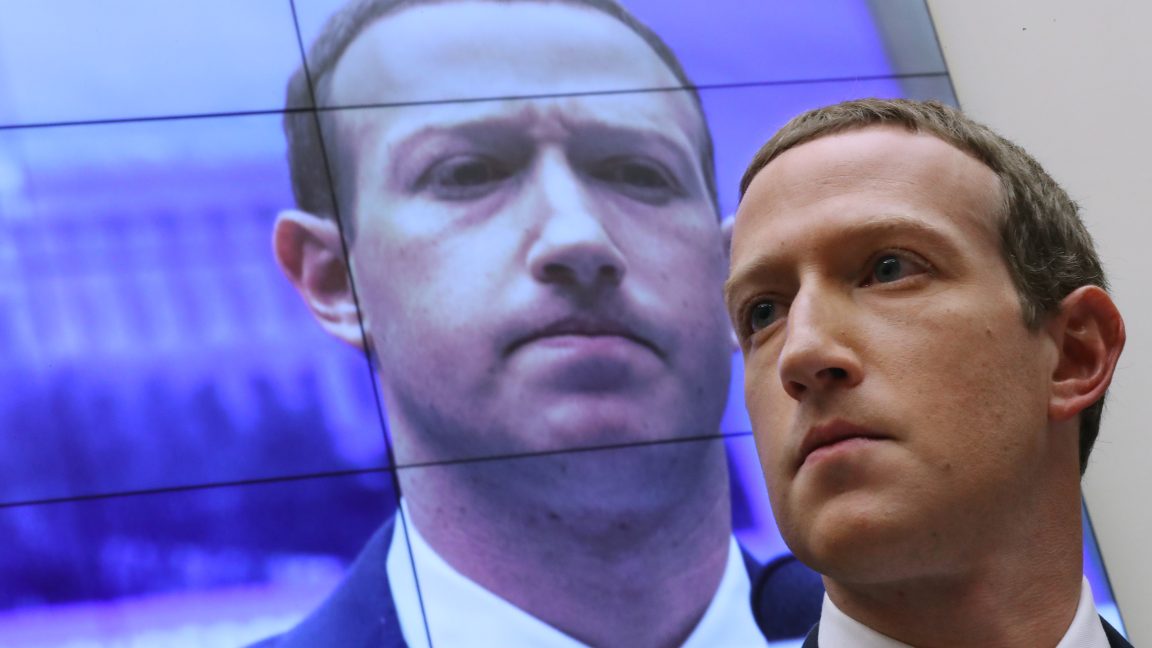
Meta is currently developing an artificial intelligence version of its CEO, Mark Zuckerberg. This digital twin is being built to talk with employees and represent the leader when he cannot be there in person. The project is a major part of Meta’s plan to focus its entire business on AI technology. By creating a realistic digital character, the company hopes to change how people interact within a large corporate environment.
Main Impact
The creation of an AI Zuckerberg marks a significant shift in how big tech companies handle leadership and communication. Meta is a massive company worth about $1.6 trillion, and it has tens of thousands of workers spread across the globe. A digital version of the CEO allows the company to scale his presence, making it feel as though he is available to more people at the same time. This move also serves as a live test for Meta’s new AI tools, showing that the company is willing to use its own staff to try out experimental technology.
Key Details
What Happened
Engineers at Meta have been working on a project to create photorealistic 3D characters. These are not simple cartoons; they are designed to look and move exactly like real human beings. Recently, the company decided to make the Zuckerberg AI a top priority. According to people familiar with the project, the goal is to have an AI that can listen to questions and respond in real-time with the CEO’s voice and likeness. This would allow the digital character to hold meetings or answer employee concerns without the real Mark Zuckerberg needing to be present.
Important Numbers and Facts
Meta is currently valued at $1.6 trillion, making it one of the most powerful companies in the world. The project involves a high level of technical skill, using advanced computer graphics and large language models to power the character’s speech. Reports indicate that at least four people close to the project have confirmed these developments. This effort is part of a broader move where Meta is spending billions of dollars on AI chips and data centers to stay ahead of other tech firms.
Background and Context
For a long time, Meta focused mostly on social media apps like Facebook and Instagram. A few years ago, the company changed its name from Facebook to Meta to show it was focused on the "metaverse," a digital world where people use avatars. However, the focus has shifted again. Now, the company is putting most of its energy into artificial intelligence. They want to combine their work on digital avatars with their new AI brains. By making an AI version of their own boss, they are trying to prove that digital humans can be useful and convincing in a professional setting.
Public or Industry Reaction
The news has caused a lot of talk in the technology industry. Some experts believe this is a clever way to solve the problem of a busy CEO who cannot meet with everyone. It could make the leadership feel more reachable to junior staff. However, others are worried about the "uncanny valley" effect, which is when a robot or digital person looks almost human but feels slightly off or creepy. There are also concerns about whether employees will feel comfortable talking to a computer instead of a real person. Some critics argue that using an AI for leadership tasks might make the company feel less human and more like a machine.
What This Means Going Forward
If this project is successful, Meta will likely offer this technology to other businesses. Imagine a world where every famous leader or teacher has an AI version that can talk to millions of people individually. This could change education, customer service, and even politics. However, there are risks involved. If an AI version of a CEO says something offensive or incorrect, it could hurt the company’s stock price or reputation. Meta will have to be very careful to ensure the AI stays on message and behaves exactly like the real person it is based on.
Final Take
Meta is taking a bold step by turning its own leader into an AI character. This project shows that the company is no longer just about social media; it is trying to build the future of human interaction. While the idea of a digital boss might seem strange today, it could become a normal part of working for a large company in the future. The success of this project will depend on how realistic the AI feels and whether employees actually find it helpful to talk to a digital version of Mark Zuckerberg.
Frequently Asked Questions
Why is Meta making an AI version of Mark Zuckerberg?
The company wants a way for the CEO to interact with more employees at once and to demonstrate their new AI and 3D character technology.
Will the AI Zuckerberg look like a cartoon?
No, the project aims to create a photorealistic 3D character that looks and moves just like the real person in real-time.
Is this technology available to the public yet?
Currently, this is an internal project at Meta focused on employee engagement, but the technology behind it may be used for other products in the future.