
Summary
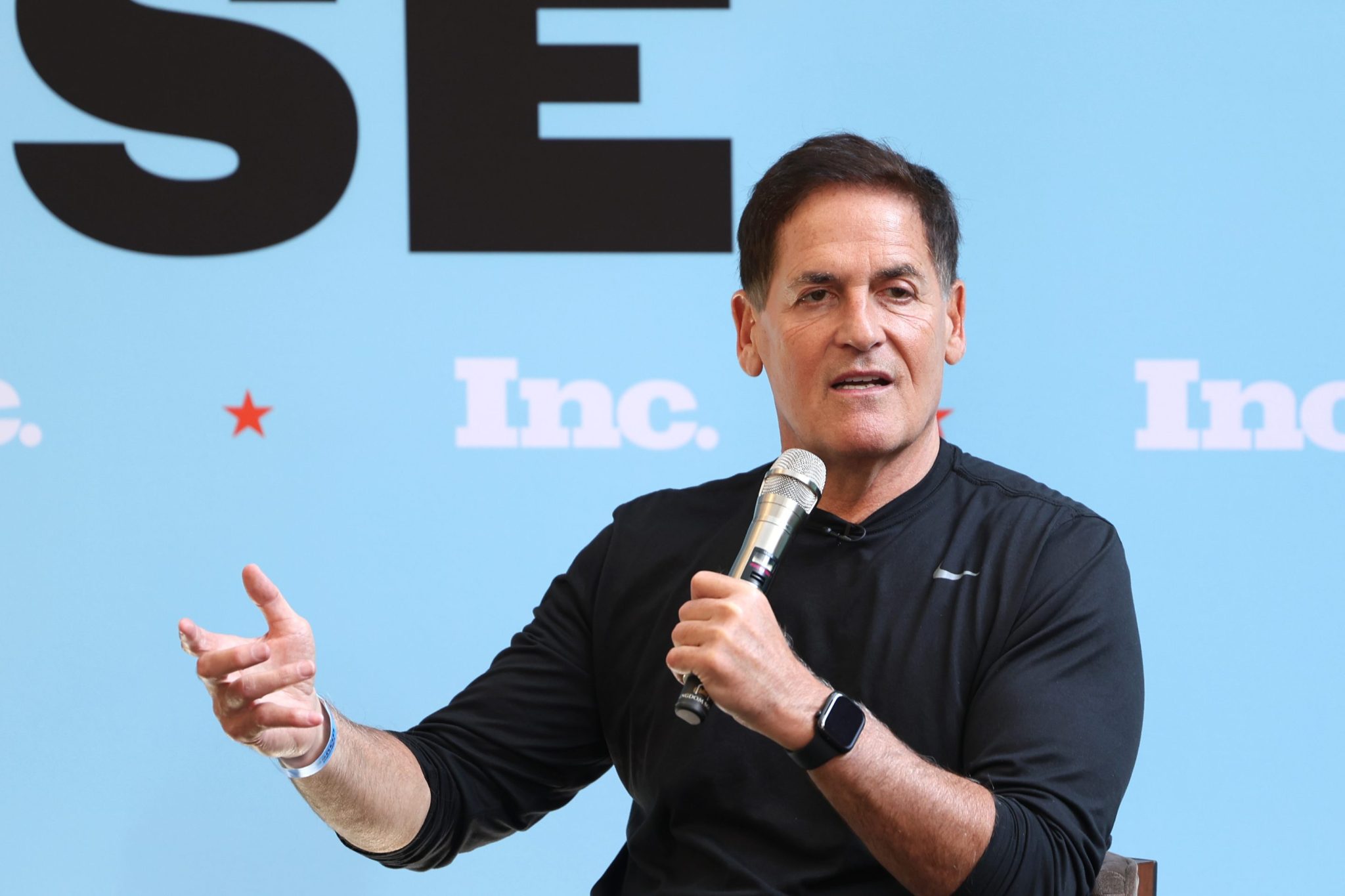
Billionaire investor Mark Cuban predicts that artificial intelligence will soon shorten the standard workday. He believes forward-thinking companies will reduce the workweek by at least five hours while keeping employee pay exactly the same. This shift is expected to happen as AI tools make workers more efficient, allowing them to complete their tasks in less time. Cuban suggests that a 10 a.m. start or an early 4 p.m. finish could become the new normal for many office employees.
Main Impact
The biggest change coming to the workplace is the end of the traditional 40-hour week. For decades, the 9-to-5 schedule has been the gold standard, but AI is making it outdated. By using smart software "agents" to handle routine tasks, employees can maintain their current output in fewer hours. This change acts as a hidden pay raise, giving workers more personal time without a cut in their bank accounts. It also helps companies attract better talent by offering a better balance between work and life.
Key Details
What Happened
Mark Cuban, known for his role on the show Shark Tank and his success in the tech world, shared his vision for the future of work on social media. He argued that the most successful companies will be those that encourage their staff to use AI to boost productivity. Instead of asking for more work to fill the extra time, these companies will simply let their employees go home early. Cuban noted that working from home has already started to change when people start and stop their days, and official company policies will soon catch up to this reality.
Important Numbers and Facts
The current 40-hour workweek was established by Henry Ford in 1926. This means the world has been using the same schedule for 100 years. Cuban, who once sold a company for $5.7 billion, has been a long-time student of technology. He recently revealed that he keeps over 60 different AI applications on his phone to stay ahead of the curve. He has even mentored other successful business owners, like Emma Grede of Skims, on how to use these tools to save time. The goal is to cut at least one hour from every workday, moving from a 40-hour week to a 35-hour week without any loss in salary.
Background and Context
To understand why this change is coming, we have to look at history. A century ago, workers often spent 10 to 12 hours a day in factories. Henry Ford changed this by introducing the "eight hours for work, eight hours for rest, and eight hours for what we will" rule. While this was a great improvement in 1926, it does not fit the modern world of computers and digital tools. Today, many office workers find that their most productive hours are in the morning, while the late afternoon often becomes a "dead zone" where very little gets done.
The pandemic also changed how we view the office. When people worked from home, they realized they could finish their chores, walk their kids to school, or go to the gym while still getting their work done. Now that many are back in the office, the rigid 9-to-5 schedule feels more restrictive than ever. AI is seen as the final tool needed to break this old cycle for good.
Public or Industry Reaction
There is a growing movement among workers and some leaders to move away from the five-day grind. For example, Simon Cowell recently mentioned that he has stopped working on Fridays because he finds them unproductive. Many employees have also created informal "dead zones" between 4 p.m. and 6 p.m., where they stop answering emails to handle family needs or personal errands. Industry experts suggest that if companies do not officially shorten the workday, employees will continue to do it themselves quietly. Governments in some parts of the world are even testing four-day workweeks to see if they improve public health and happiness.
What This Means Going Forward
In the coming years, we can expect to see more companies setting "security guardrails" for AI use. This means they will give employees safe ways to use AI agents to write reports, organize data, and manage schedules. As these tools become more common, the focus will shift from how many hours a person sits at a desk to how much they actually achieve. The risk for companies that refuse to change is losing their best workers to competitors who offer shorter hours. For the average worker, this could mean more time for family, hobbies, and rest, which are essential in a world where the cost of living continues to rise.
Final Take
The 40-hour workweek is a relic of the past that no longer matches the way we live or the tools we use. Mark Cuban’s prediction highlights a future where technology serves the worker rather than just the bottom line. If AI can do the heavy lifting, there is no reason for humans to stay tied to their desks for hours that aren't productive. Giving people back their time might be the most significant benefit of the AI revolution.
Frequently Asked Questions
Will my pay be reduced if I work one hour less?
According to Mark Cuban's prediction, smart companies will keep salaries the same. The idea is to reward productivity gains from AI by giving time back to the employees rather than cutting their pay.
What are AI agents?
AI agents are specialized software programs designed to perform specific tasks, such as scheduling meetings, summarizing long documents, or managing data, with very little human help.
When will this change start happening?
Many companies are already experimenting with flexible hours and AI tools. While it may take a few years to become a standard policy everywhere, the shift is already beginning in the tech and corporate sectors.



