
Summary
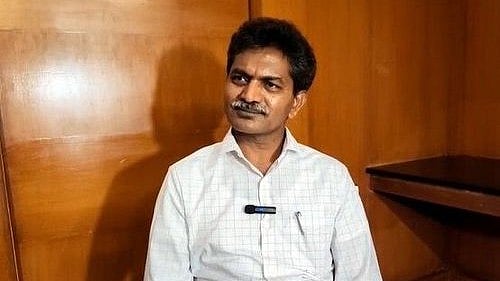
Thippiri Tirupati, a high-ranking leader of the CPI (Maoist) better known as Devuji, has made a public appeal to the government following his recent surrender. After spending more than 40 years living in hiding, he is now asking officials to lift the ban on his former organization. Devuji believes the group should be recognized as a legal political party, even if it does not participate in traditional voting. This request comes at a time when several top leaders are leaving the movement to rejoin mainstream society.
Main Impact
The most significant part of Devuji’s statement is his offer to end the group's history of violence. He suggested that the CPI (Maoist) might be willing to dissolve its armed wing, known as the People’s Liberation Guerrilla Army (PLGA). This would only happen if the government agrees to let the organization operate as a legal political entity. If this move is successful, it could change the nature of the long-running conflict in India's forest regions, shifting the struggle from armed battles to legal and political discussions.
Key Details
What Happened
Devuji surrendered to the Telangana Police on February 24, 2026. Since then, he has been vocal about his desire for a peaceful path forward. He recently met with the Chief Minister of Telangana, A. Revanth Reddy, to discuss the future of the movement. During this meeting, Devuji and other former leaders asked the state government to help them talk to the central government in Delhi. Their main goal is to have the CPI (Maoist) removed from the list of banned organizations so they can speak openly about their ideas without fear of arrest.
Important Numbers and Facts
Devuji’s history with the movement is long and detailed. He joined the CPI (ML) People’s War in January 1982, meaning he spent 44 years as an underground member. Most of his work took place in the states of Chhattisgarh and Maharashtra. He did not surrender alone; he was joined by other senior members, including Malla Raji Reddy, Bade Chokka Rao (also known as Jagan), and Nune Narasimha Reddy (also known as Ganganna). These individuals were part of the central committee, which is the highest level of leadership within the group.
Background and Context
The Maoist movement in India has existed for decades. Its members believe that the current government system does not help the poor and that wealth is held by only a few people. They have traditionally used "guerrilla warfare," which means using small groups of fighters to attack the police and military in rural areas. However, in recent years, the movement has become weaker. Devuji admitted that the group failed to change its strategies as the world changed. He noted that while the economy has grown, many people are still left behind, which is why he believes their political ideas are still important even if they stop fighting.
Public or Industry Reaction
The reaction from the government has been cautious. Chief Minister Revanth Reddy reportedly listened to the demands of the surrendered leaders and mentioned the issue to the Union Home Minister, Amit Shah. However, the central government has not yet given a public answer. There is also a strong focus on the people Devuji calls "political prisoners." He is demanding the release of individuals often called "urban naxals." This is a term used by the government to describe people in cities who are suspected of helping the Maoist movement. Devuji argues that this term has no real legal meaning and that these people should be freed.
What This Means Going Forward
The next steps depend entirely on how the Union Home Ministry responds to the request to lift the ban. If the government refuses, the conflict may continue in a weakened state. If the government considers the request, it could lead to a peace process where the Maoists stop using weapons and start using words to share their views. Devuji also mentioned that he and other former leaders plan to start programs to help the families of those who died during the years of fighting. He refers to these fallen members as "martyrs" and believes the government should also take responsibility for the lives lost on both sides of the war.
Final Take
Devuji’s transition from a forest commander to a person seeking legal political status is a major turning point. It shows that even the most dedicated leaders of the underground movement are beginning to see that armed struggle may no longer be the best way to achieve their goals. By offering to trade their weapons for a legal voice, these former leaders are putting the ball in the government's court. The choice now is whether to keep the group banned or to allow them a seat at the table in hopes of ending the violence for good.
Frequently Asked Questions
Who is Devuji and why is he important?
Devuji, whose real name is Thippiri Tirupati, was a top leader in the CPI (Maoist) movement. He is important because he spent over 40 years in the underground movement and is now leading the call for the group to become a legal political party.
What is the PLGA?
The PLGA stands for the People’s Liberation Guerrilla Army. It is the armed wing of the Maoist organization. Devuji has suggested that this group could be dissolved if the government recognizes the Maoists as a legal political party.
What does the term "urban naxal" mean?
The term is often used by authorities to describe people living in cities who are suspected of supporting or working with Maoist groups. Devuji claims the term is not clearly defined by law and wants people arrested under this label to be released.

