
Summary
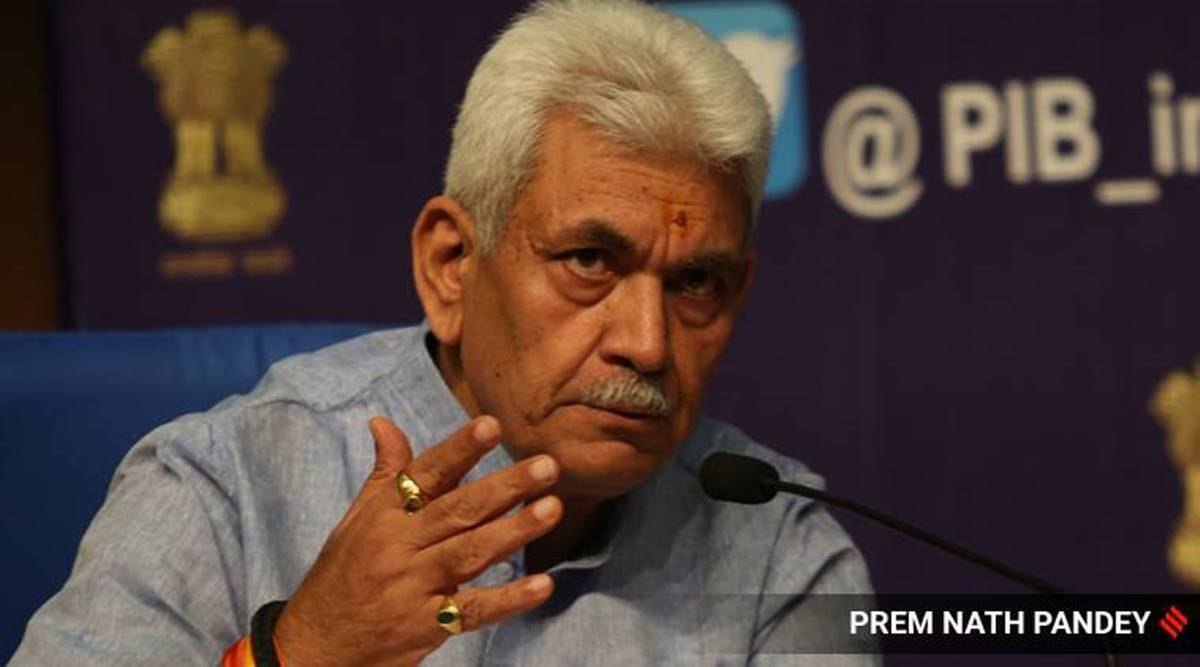
Manoj Sinha, the Lieutenant Governor of Jammu and Kashmir, recently shared a strong message regarding the security and stability of the region. He stated that groups and individuals working against India’s interests are now struggling to survive. According to Sinha, the government has successfully broken the networks that used to support unrest and violence. This change has allowed the local population to live more peaceful lives, with schools, markets, and businesses staying open without fear. The statement highlights a major shift from past years when strikes and protests often stopped daily life.
Main Impact
The primary impact of these developments is the return of normalcy to the streets of Jammu and Kashmir. For a long time, the region faced frequent shutdowns and organized protests that hurt the local economy. Now, the government claims that the "ecosystem" of terrorism—which includes funding, hidden supporters, and those who spread misinformation—is being dismantled. This has created a safer environment for both residents and visitors. By removing the influence of anti-India forces, the administration has cleared the way for massive investments in roads, hospitals, and schools. The sense of fear that once governed public life is being replaced by a focus on growth and individual success.
Key Details
What Happened
During a recent public address, Lieutenant Governor Manoj Sinha explained that the security forces have moved beyond just fighting active militants. They are now targeting the people who provide money and shelter to these groups. Sinha noted that the strategy of "zero tolerance" has made it nearly impossible for anti-India elements to operate. He pointed out that the youth are no longer being misled into participating in stone-pelting or other violent activities. Instead, they are taking part in sports, education, and new job opportunities provided by the government. The administration believes that by cutting off the roots of the problem, the entire structure of unrest has collapsed.
Important Numbers and Facts
The changes in the region are backed by several key figures and observations. Tourism has reached record highs, with millions of people visiting the area over the last year. This is a huge jump compared to previous decades. Additionally, the number of "hartals" or forced strikes has dropped to almost zero. In the past, the region could see dozens of strike days in a single year, which caused billions in economic losses. Reports also show a significant decrease in the recruitment of local youth into armed groups. The government has also pushed forward with thousands of small and large development projects, ensuring that every village has access to basic needs like clean water and electricity.
Background and Context
To understand why these statements matter, it is important to look at the history of the region. For over thirty years, Jammu and Kashmir dealt with a complex security situation. This often involved outside interference and local groups that challenged the Indian government's authority. In 2019, the government made significant legal changes to how the region is governed. Since then, the focus has shifted from purely military action to a mix of strict law enforcement and social development. The goal was to integrate the region more closely with the rest of the country. Sinha’s recent comments serve as a progress report on these efforts, suggesting that the old ways of causing trouble are no longer working.
Public or Industry Reaction
The reaction to these changes has been mixed but largely positive among the business community. Local shopkeepers and tour operators have expressed relief that they can now work throughout the year without interruptions. Many parents have also welcomed the fact that schools and colleges are no longer closing due to security threats. However, some political groups in the region argue that while security has improved, there is still a need for more local political representation. Despite these debates, the general public seems to appreciate the improved safety and the visible improvements in infrastructure like better roads and more reliable power supplies.
What This Means Going Forward
Looking ahead, the government plans to keep the pressure on any remaining anti-India groups. The focus will likely stay on "economic healing," which means creating more jobs so that the peace remains permanent. There is a strong push to make Jammu and Kashmir a hub for technology and agriculture exports. The administration also aims to hold more international events in the region to show the world that it is safe and open for business. The biggest challenge will be to ensure that the current peace is not just a temporary phase but a lasting change that benefits future generations. Security forces will remain alert, but the emphasis is shifting toward long-term social stability.
Final Take
The statement by Manoj Sinha reflects a confident government that believes it has turned a corner in a long-standing conflict. By focusing on the networks that support violence rather than just the violence itself, the administration has changed the situation on the ground. While challenges remain, the current environment of peace and active development suggests a new chapter for the region. The focus is now firmly on the future rather than the troubles of the past.
Frequently Asked Questions
What did Manoj Sinha mean by "anti-India forces are gasping"?
He meant that the groups working against the country have lost their power, funding, and support, making it very difficult for them to continue their activities.
How has daily life changed in Jammu and Kashmir?
Daily life has become more stable. There are fewer strikes and protests, which means schools, shops, and offices can stay open regularly, and tourism has increased significantly.
What is the government's main strategy for the region?
The strategy is a mix of "zero tolerance" for terrorism and a heavy focus on development, infrastructure, and providing jobs for the youth to ensure long-term peace.



