
Summary
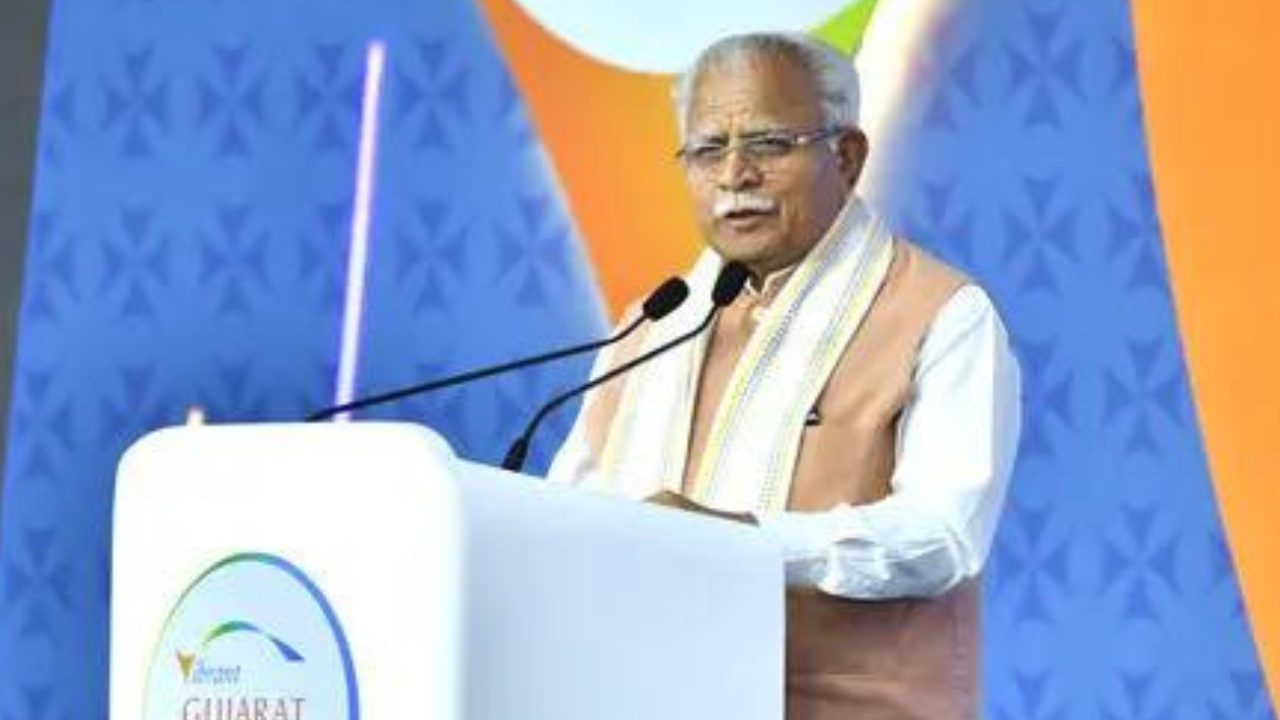
Union Minister Manohar Lal has made strong remarks about the posting culture within the Central Public Works Department (CPWD). He stated that no amount of political patronage can stop transfers of officials. His comments come amid ongoing discussions about how postings are handled in government departments. The minister made it clear that rules and procedures must be followed without any favoritism.
Main Impact
Manohar Lal's statement directly challenges the long-standing belief that political connections can protect officials from being transferred. This sends a clear message to all CPWD employees that the government is serious about ending the practice of using influence to secure or avoid postings. The impact is likely to be felt across other government departments as well, as it sets a precedent for transparency and accountability.
Key Details
What Happened
During a recent interaction with CPWD officials, Manohar Lal addressed the issue of posting culture. He emphasized that transfers are a routine administrative process and should not be influenced by external pressures. The minister's remarks were direct and left no room for ambiguity. He said that those who believe they can use their connections to avoid transfers are mistaken.
Important Numbers and Facts
The minister did not provide specific numbers or dates during his statement. However, his comments are seen as a response to growing concerns about favoritism in government postings. The CPWD is responsible for major infrastructure projects across the country, and its functioning is closely watched. Manohar Lal's statement is part of a broader push for administrative reforms.
Background and Context
The CPWD has often been in the news for issues related to postings and transfers. Over the years, there have been allegations that some officials use their political connections to get favorable postings or avoid being transferred to difficult locations. This has led to inefficiencies and low morale among staff. The government has been trying to address these issues by introducing more transparent processes. Manohar Lal's latest remarks are a continuation of these efforts.
Public or Industry Reaction
The reaction to Manohar Lal's statement has been mixed. Some civil service experts have welcomed the minister's firm stance, saying it is long overdue. They believe that such statements help in building a culture of merit and fairness. However, others are skeptical and say that mere statements are not enough. They argue that concrete actions and monitoring mechanisms are needed to ensure that patronage does not influence transfers.
What This Means Going Forward
Going forward, the CPWD and other government departments may see a shift in how transfers are handled. The minister's statement could lead to stricter enforcement of rules. Officials who rely on political backing may find it harder to avoid transfers. This could improve efficiency and reduce corruption. However, the real test will be in the implementation. If the government follows through with action, it could set a new standard for administrative conduct.
Final Take
Manohar Lal's message is clear: rules matter more than connections. His statement is a step in the right direction for cleaning up the posting culture in government departments. But words alone will not change the system. The government must back up its statements with consistent action. Only then can the culture of patronage be truly ended.
Frequently Asked Questions
What did Manohar Lal say about CPWD postings?
Manohar Lal said that political patronage cannot stop transfers in the CPWD. He made it clear that rules and procedures must be followed without any favoritism.
Why is the posting culture in CPWD a concern?
The posting culture in CPWD has been a concern because some officials use political connections to get favorable postings or avoid transfers. This leads to inefficiency and low morale among staff.
What changes can be expected after this statement?
After this statement, there may be stricter enforcement of transfer rules in CPWD and other government departments. The government is expected to take concrete actions to ensure that patronage does not influence postings.



