
Summary
A large-scale demolition drive in the Mankhurd area of Mumbai has left hundreds of families homeless. Local authorities used heavy machinery to tear down structures that were labeled as illegal encroachments on government land. The move has forced men, women, and children to live in the open, searching through the remains of their homes for any belongings they can save. This event has sparked a fresh debate about the lack of affordable housing and the rights of the urban poor in one of the world's most expensive cities.
Main Impact
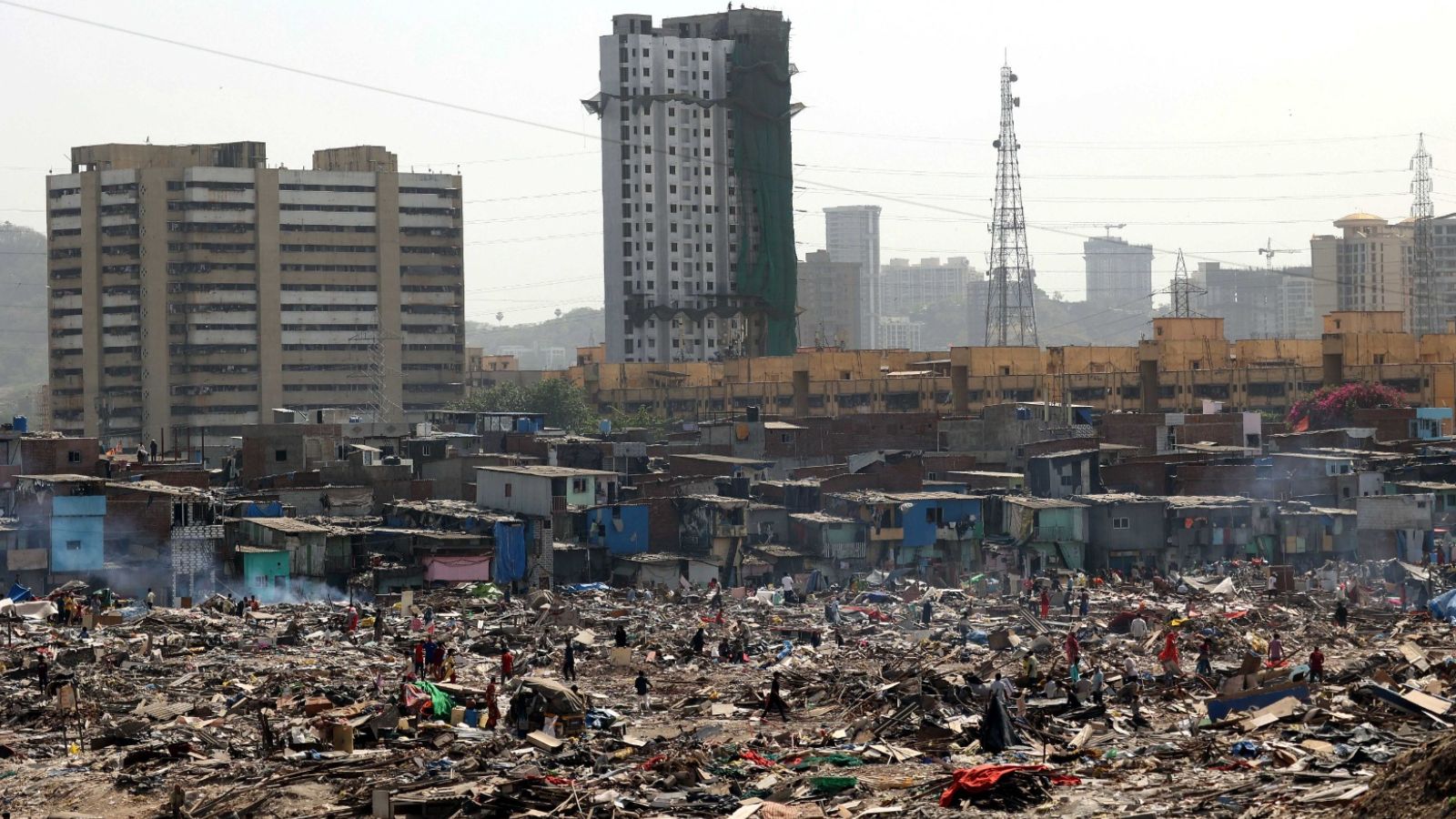
The immediate impact of this demolition is a humanitarian crisis for the residents of Mankhurd. Within a few hours, hundreds of people lost their only form of shelter. Families are now seen sitting on the roadside, surrounded by broken wooden planks, plastic sheets, and crushed household items. The loss goes beyond just physical walls; many children have lost their school books and uniforms, while workers have lost the tools they use to earn a daily wage. Without a roof over their heads, these families are now exposed to the harsh weather and lack access to clean water or toilets.
Key Details
What Happened
The demolition began early in the morning when municipal workers arrived with bulldozers and a large police force. Residents claim they were given very little time to move their furniture, clothes, and food supplies. As the machines started pulling down the walls, panic spread through the neighborhood. Some people tried to protest, but the heavy police presence kept the crowds back. By the afternoon, what used to be a crowded residential pocket was turned into a field of debris and dust.
Important Numbers and Facts
Reports suggest that over 200 structures were destroyed during this single drive. This has affected approximately 1,000 people, including many infants and elderly residents. Most of these families have lived in the area for more than five to ten years. While the government states that these homes were built on protected land, residents argue that they have identity cards and electricity bills that prove they have been part of the community for a long time. The cost of the destroyed property and lost goods is estimated to be very high for these low-income families.
Background and Context
Mankhurd is an area in eastern Mumbai known for having many informal settlements. In a city where house prices are very high, many people who work as domestic helpers, drivers, or laborers cannot afford to rent or buy legal apartments. Instead, they build small homes on vacant government land. Over time, these settlements grow into large communities. The government often carries out these "clearance drives" to reclaim land for new projects or to follow court orders. However, the city often fails to provide new places for these people to live, leading to a cycle where families move from one demolished site to another.
Public or Industry Reaction
The reaction from the public and social activists has been one of deep concern. Human rights groups have criticized the timing of the demolition, noting that it is cruel to leave people homeless without a backup plan. Local leaders have visited the site, promising to talk to higher authorities, but many residents feel these are empty promises. On social media, some citizens support the government's move to clear illegal land, while many others point out that the city depends on these workers and should treat them with more dignity. The residents themselves are mostly in a state of shock, focusing only on where they will sleep tonight.
What This Means Going Forward
In the coming days, the displaced families will likely stay near the rubble, hoping to rebuild or wait for help. There is a high risk of health issues due to the lack of sanitation and shelter. Legally, some non-profit groups may file petitions in court to stop further demolitions or to demand that the government provides alternative housing. For the city of Mumbai, this event highlights the urgent need for a better housing policy. Until there are enough low-cost homes for the working class, informal settlements will continue to appear, and these painful demolition drives will likely happen again.
Final Take
The sight of families sifting through the ruins of their lives in Mankhurd is a reminder of the deep inequality in urban areas. While the law may see these homes as illegal, the people living in them see them as their only safety net. Clearing land without providing a place for people to go does not solve the problem of poverty; it only moves it to a different street. A more human approach that balances city planning with the basic need for shelter is necessary to prevent such suffering in the future.
Frequently Asked Questions
Why were the houses in Mankhurd demolished?
The authorities demolished the houses because they were built on government land without legal permission. These are often called illegal encroachments, and the city clears them to reclaim the land for other uses.
Are the displaced families getting any help?
Currently, most families are living in the open without official help. Some local NGOs and neighbors are providing basic food and water, but the government has not yet offered alternative housing for most of those affected.
What happens to the children who lost their homes?
Many children have lost their school supplies and a stable place to study. This often leads to them missing school for long periods, which can hurt their education and future opportunities.



