For residents of Manipur, the announcement landed like a long-awaited reprieve: national highways across the ethnic conflict-scarred state will reopen immediately for people of all communities. After years of blockades that fractured everyday life along community lines, the state government's Saturday decision signals a potential shift — though whether free movement will actually hold on the ground remains an open question.
Immediate reopening announced for all communities
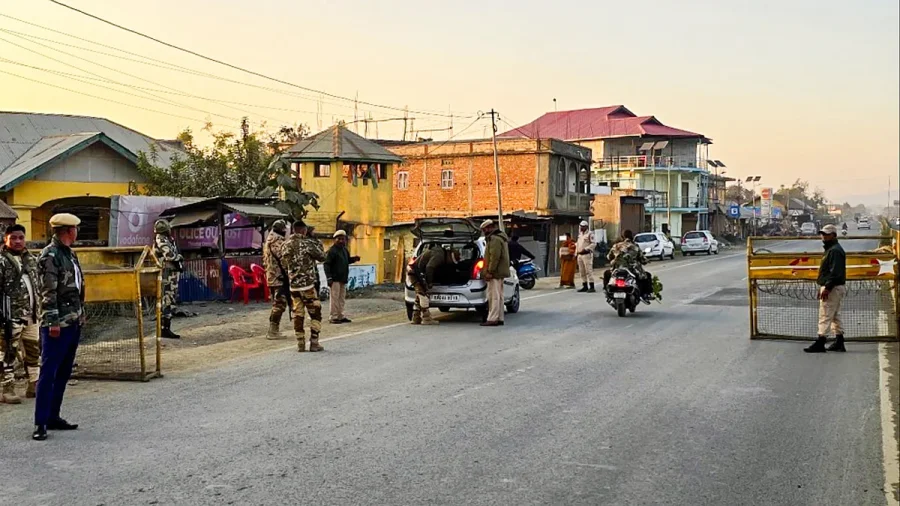
The state government said national highways will now be open to people of all communities, formally ending restrictions that had made entire stretches of road inaccessible to certain groups. The announcement also includes the resumption of bus services between Imphal and Nagaland's capital, Kohima.
Why the highway reopening matters after years of blockades
The arterial highway connecting Imphal to Kohima is not just a transport route — it is a lifeline for trade, medical access, education and family ties. For more than a year, sections of this road remained inaccessible to specific communities, choking daily life and deepening divisions in a state already reeling from ethnic violence.
How the blockades took hold: a brief timeline
Movement on key highways first broke down after ethnic violence erupted between Kuki-Zo and Meitei groups in May 2023. From February, tensions shifted to clashes between Kuki-Zo and Naga groups, further hardening the restrictions. The Centre's earlier attempts to clear what it termed "economic blockades" failed to restore free movement, according to the report.
Who benefits from restored Imphal-Kohima connectivity
Ordinary citizens across communities stand to gain the most — students travelling for examinations, patients needing hospital care in Imphal or Kohima, traders moving goods, and families separated by the conflict. The resumption of bus services is a practical first step toward normalcy for thousands of people.
Tangkhul Naga Long responds with caution
The Tangkhul Naga Long, a Naga organisation, welcomed the government's announcement but struck a cautious note. It urged the government to end what it called the "militarisation" of Naga-inhabited areas — a demand that signals political grievances remain active even as roads reopen.
What the announcement means beyond road access
The reopening is as much symbolic as practical. After years of blockades used as leverage in ethnic standoffs, allowing all communities to move freely on the same highways indicates a possible de-escalation. It is also a test of whether the state can maintain neutral, open public infrastructure amid ongoing communal tensions.
Confirmed facts vs what remains unclear
Confirmed: the government announced the immediate reopening of national highways for all communities; bus services between Imphal and Kohima will resume; the Tangkhul Naga Long welcomed the move while raising concerns about militarisation. Unclear: whether all physical blockades have been removed on the ground, how quickly bus services will restart, and whether the Tangkhul Naga Long's full statement included additional demands.
Risks and concerns that remain
The announcement does not erase the underlying conflict. Blockades may have been formally lifted, but trust between communities remains fragile. The Tangkhul Naga Long's reference to "militarisation" points to deeper grievances about security force presence. Without addressing these concerns, the reopening could prove fragile.
Wider pattern: ethnic conflict and economic shutoffs
Manipur's highways have repeatedly become instruments of pressure in ethnic disputes. Blockading roads cuts off supplies, strands travellers and forces the state to respond — a tactic that has extended beyond Manipur's current crisis and shaped the Centre's own framing of "economic blockades" in the region.
What residents and travellers should know now
For those planning to travel on Manipur's national highways, the immediate takeaway is that the government has ordered roads open for all communities. However, travellers should stay alert to ground-level conditions, as physical removal of blockades may take time and local tensions could still disrupt movement. Checking official transport department updates on bus routes is advisable.
Future outlook: will free movement hold?
The durability of this decision depends entirely on ground reality. If all communities can use the highways without incident and bus services restart smoothly, this could become a rare point of progress in Manipur's conflict. But the underlying ethnic tensions that produced the blockades have not been resolved, and the Tangkhul Naga Long's concerns suggest political friction is far from over.
Our Take
The reopening of Manipur's highways is a meaningful step — but it is a beginning, not a resolution. For more than a year, the Centre's failed attempts to clear blockades showed how deeply entrenched these closures had become. The state government's decision to formally open roads to all communities restores a basic public good: the freedom to move. Yet the cautious welcome from the Tangkhul Naga Long is a reminder that political grievances, including the presence of security forces, remain unresolved. The real test is whether this announcement translates into lasting, unimpeded movement for every community in the state.
Frequently Asked Questions
Why did Manipur's highways remain blocked for years?
Sections of the arterial highway remained inaccessible to certain communities after ethnic violence erupted between Kuki-Zo and Meitei groups in May 2023. Tensions later extended to Kuki-Zo and Naga groups from February, keeping blockades in place despite the Centre's earlier attempts to clear them.
What did the Manipur government announce on Saturday?
The state government announced the immediate reopening of national highways for people of all communities, along with the resumption of bus services between Imphal and Nagaland's capital, Kohima.
How did the Tangkhul Naga Long respond to the announcement?
The Naga organisation welcomed the reopening but urged the government to end what it called the "militarisation" of Naga-inhabited areas, signalling that political concerns remain unresolved despite the decision.
Will bus services between Imphal and Kohima resume immediately?
The government announced the resumption of bus services, but the exact timeline for when the first buses will run has not been specified in the report. Travellers are advised to check official transport department updates.