
Summary
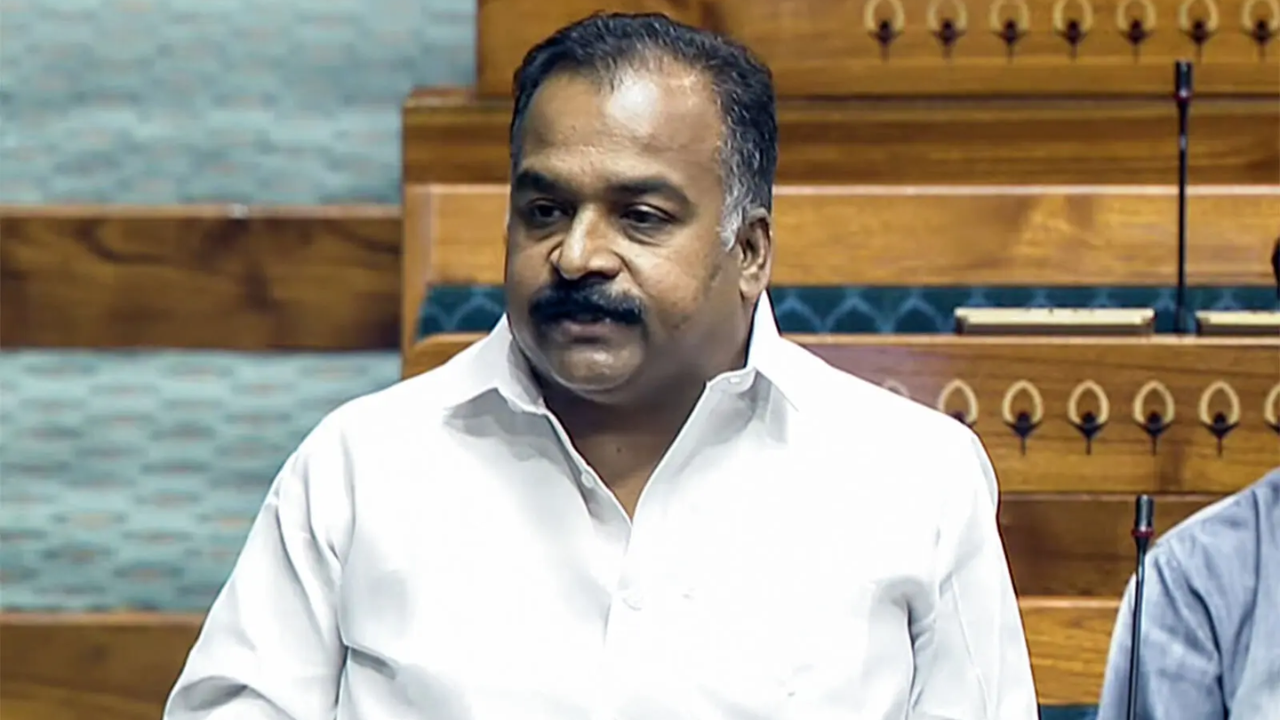
Congress Member of Parliament Manickam Tagore has made a public offer to step down from his position to support women's representation in politics. He stated that he is willing to give up his current seat if the government decides to apply the 33% women's quota to existing parliamentary areas immediately. Along with his offer, he challenged top leaders of the ruling party to show the same level of commitment to female leadership. This move brings fresh attention to the debate over when the new women's reservation law will actually be put into practice.
Main Impact
The primary impact of this statement is a shift in the political conversation regarding gender equality in the Indian government. By offering to vacate his seat, Tagore is pushing for the immediate use of the Women’s Reservation Bill rather than waiting for future administrative changes. This challenge forces a discussion on whether political parties are truly ready to share power with women or if the new law is simply a promise for the distant future. It highlights a growing demand for quicker action in making the halls of power more inclusive.
Key Details
What Happened
Manickam Tagore, a prominent leader from the Congress party, expressed his views following discussions about the Women’s Reservation Bill. He used the phrase "ready to give up for a sister" to show that he would happily let a woman candidate take his place in the Lok Sabha. He did not stop at his own offer; he specifically called out Prime Minister Narendra Modi and Home Minister Amit Shah. He asked if they would also be willing to leave their current seats to make room for women candidates if the 33% rule was applied to the seats they currently hold.
Important Numbers and Facts
The Women’s Reservation Bill, also known as the Nari Shakti Vandan Adhiniyam, aims to reserve one-third of the seats in the Lok Sabha and state assemblies for women. Currently, women hold only about 15% of the seats in the lower house of Parliament. The law was passed with a large majority, but it includes a condition that it will only start after a new census is conducted and the boundaries of voting areas are redrawn. This process, known as delimitation, could take several years, meaning the quota might not be active until 2029 or later.
Background and Context
For many years, activists and politicians have argued that women do not have enough say in how the country is run. While women make up nearly half of the population, their presence in high-level lawmaking has remained low. The idea of a 33% quota has been discussed for decades but faced many hurdles in the past. When the current government passed the bill, it was seen as a major victory. However, a new disagreement has started. Opposition parties argue that the government is delaying the benefits of the law by linking it to the census. They believe the quota should be applied to the current seats right away so that women can start leading now.
Public or Industry Reaction
The reaction to Tagore’s challenge has been split along party lines. Supporters of the Congress party see this as a brave and selfless move that shows they are serious about women's rights. They argue that if the government truly cares about "women's power," they should not wait for a census to change the rules. On the other hand, members of the ruling BJP often point out that they were the ones who finally turned the bill into law after other parties failed for years. They maintain that following the legal process of census and boundary changes is necessary to ensure the system is fair and accurate for everyone.
What This Means Going Forward
This development suggests that the timing of the women's quota will remain a major talking point in upcoming elections. If more male politicians follow Tagore’s lead and offer to step aside, it could create a moral pressure on all political parties to nominate more women even before the law officially starts. However, the legal reality remains that the 33% reservation is tied to technical steps that take time. The next few years will show whether parties will voluntarily increase women's participation or if they will wait until the law forces them to do so. This situation also keeps the focus on the census, which is the next big step required for many government changes.
Final Take
The offer made by Manickam Tagore is more than just a political statement; it is a call for immediate change in a system that has historically been dominated by men. While the legal path to women's reservation is long and filled with paperwork, the demand for immediate action shows that many are tired of waiting. Whether or not top leaders accept this challenge, the conversation about who gets to sit in Parliament is changing. True progress will be measured not just by the laws passed, but by the willingness of current leaders to make space for new voices.
Frequently Asked Questions
What is the Women's Reservation Bill?
It is a law that sets aside 33% of the seats in India's Lok Sabha and state legislative assemblies specifically for women candidates to ensure better representation.
Why is there a delay in starting the quota?
The law states that the reservation will only begin after the government completes a new census and a process called delimitation, which involves redrawing the boundaries of voting districts.
What was Manickam Tagore's specific challenge?
He offered to give up his own seat for a woman candidate and challenged PM Modi and Amit Shah to do the same if the reservation was applied to current parliamentary seats immediately.



