
Summary
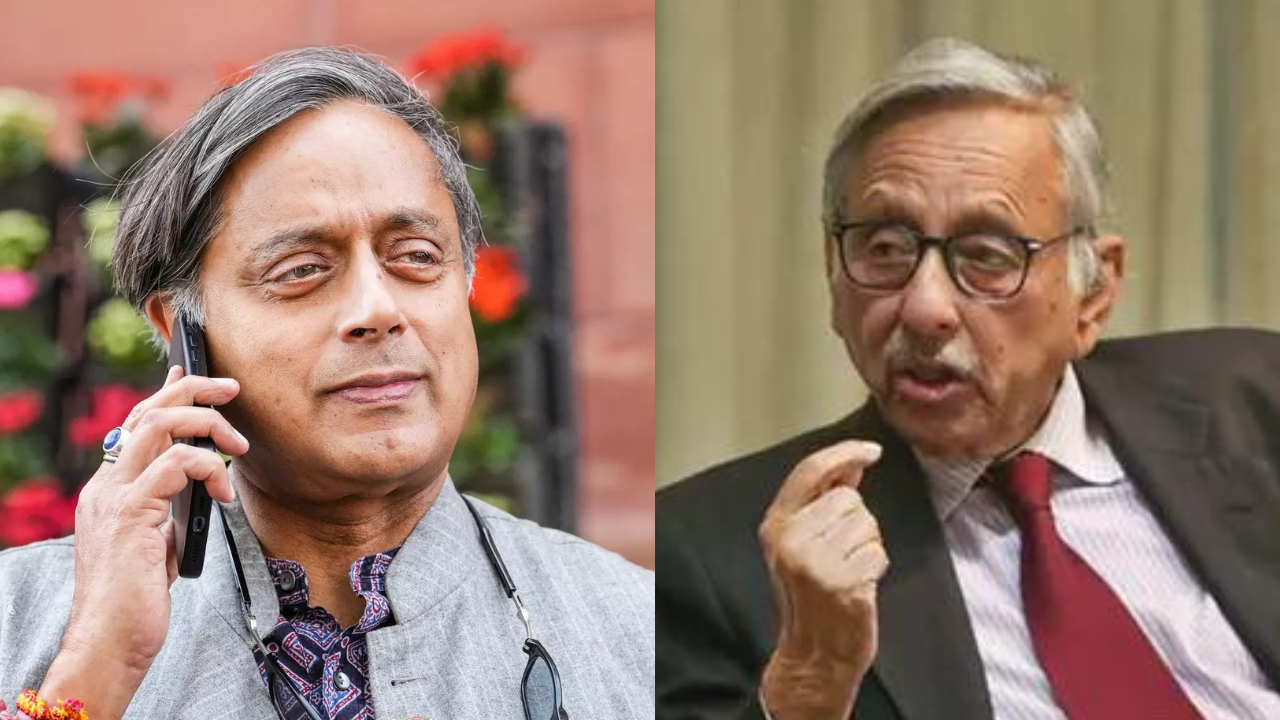
Two of the most well-known faces in the Congress party, Mani Shankar Aiyar and Shashi Tharoor, are currently involved in a heated public disagreement. The conflict started when Aiyar wrote a sharp open letter criticizing Tharoor’s views on international affairs. The debate focuses on how India should handle its relationships with countries like Israel, Iran, and the United States. This public "war of words" shows a deep split in how senior leaders think the country should act on the world stage.
Main Impact
This clash is significant because both men are seen as the intellectual voices of their party. When they disagree publicly, it suggests that the party does not have a single, clear plan for foreign policy. Aiyar represents an older way of thinking that focuses on staying neutral and avoiding close ties with Western powers. Tharoor represents a more modern approach that looks at India’s current needs and its role as a rising global power. This disagreement could force the party to rethink its official stance on major global conflicts.
Key Details
What Happened
The trouble began when Mani Shankar Aiyar expressed his strong disapproval of Shashi Tharoor’s recent comments regarding the Iran-Israel conflict. Aiyar felt that Tharoor was moving too far away from the party’s traditional values. In his letter, Aiyar went as far as to say that he regretted supporting Tharoor in the past. He accused Tharoor of following a path that favors the United States and Israel too much, rather than sticking to India's long-standing history of supporting balanced global relations.
Shashi Tharoor did not stay silent. He wrote back to defend his position. Tharoor argued that his views are based on "nationalism" and what is practically best for India in the year 2026. He rejected the idea that he was being influenced by other countries. Instead, he claimed that foreign policy must change as the world changes. He reminded Aiyar that they have supported each other for many years, but made it clear that he would not change his mind just to please the older members of the party.
Important Numbers and Facts
The exchange took place through open letters, which means the entire public could read their private disagreements. Both men have served as diplomats before entering politics, making their opinions very influential. Aiyar served in the Indian Foreign Service for many years, while Tharoor spent nearly thirty years at the United Nations, even running for the top job of Secretary-General. This background makes their fight more than just a political spat; it is a battle between two different schools of diplomatic thought.
Background and Context
To understand why this matters, we have to look at how India used to handle the world. For a long time, India followed a policy called "non-alignment." This meant India did not want to take sides between big powers like the US and Russia. Mani Shankar Aiyar is a strong believer in this tradition. He thinks India should be very careful about getting too close to Washington.
On the other hand, the world has changed. India now has a very large economy and strong trade ties with almost every country. Shashi Tharoor believes that India must be more active and flexible. He thinks that being "neutral" does not mean staying silent or following old rules that were made decades ago. The current war between Israel and Iran has made these differences even more obvious. While Aiyar wants to keep a distance, Tharoor believes India must protect its own interests, even if that means making tough choices.
Public or Industry Reaction
The reaction from the public and other politicians has been a mix of surprise and interest. Many people on social media are discussing which leader is right. Some younger voters seem to agree with Tharoor, feeling that India needs to be a strong player in modern politics. However, older supporters and traditionalists often side with Aiyar, fearing that India is losing its unique voice by following Western trends.
Inside the Congress party, the reaction has been quiet but tense. Most leaders do not want to take a side because both Aiyar and Tharoor are respected. However, political experts say this "parting of ways" might make it harder for the party to present a united front during the next elections. It shows that the party is still struggling to decide what it stands for in a changing world.
What This Means Going Forward
This public fight is likely just the beginning of a larger debate. As global tensions rise, India will have to make more difficult decisions about who to support. The disagreement between Aiyar and Tharoor highlights the risks of staying stuck in the past versus the risks of moving too fast into new alliances. In the coming months, we may see the party try to find a middle ground to stop these public arguments from hurting their image.
Final Take
The clash between Mani Shankar Aiyar and Shashi Tharoor is more than a simple argument between two colleagues. It is a sign of a party, and perhaps a country, trying to find its identity in a messy and complicated world. While Aiyar holds onto the lessons of history, Tharoor is looking toward the future. How they resolve this will tell us a lot about the direction India's foreign policy will take in the years to come.
Frequently Asked Questions
Why are Mani Shankar Aiyar and Shashi Tharoor fighting?
They are disagreeing over India's foreign policy, specifically how the country should react to the conflict between Iran and Israel and its relationship with the United States.
What is the main difference in their views?
Aiyar believes in traditional neutrality and is critical of the US, while Tharoor believes India should be more pragmatic and act according to its modern national interests.
How did this argument become public?
The two leaders exchanged "open letters," which are letters written to each other but published for the general public to read.



