
Summary
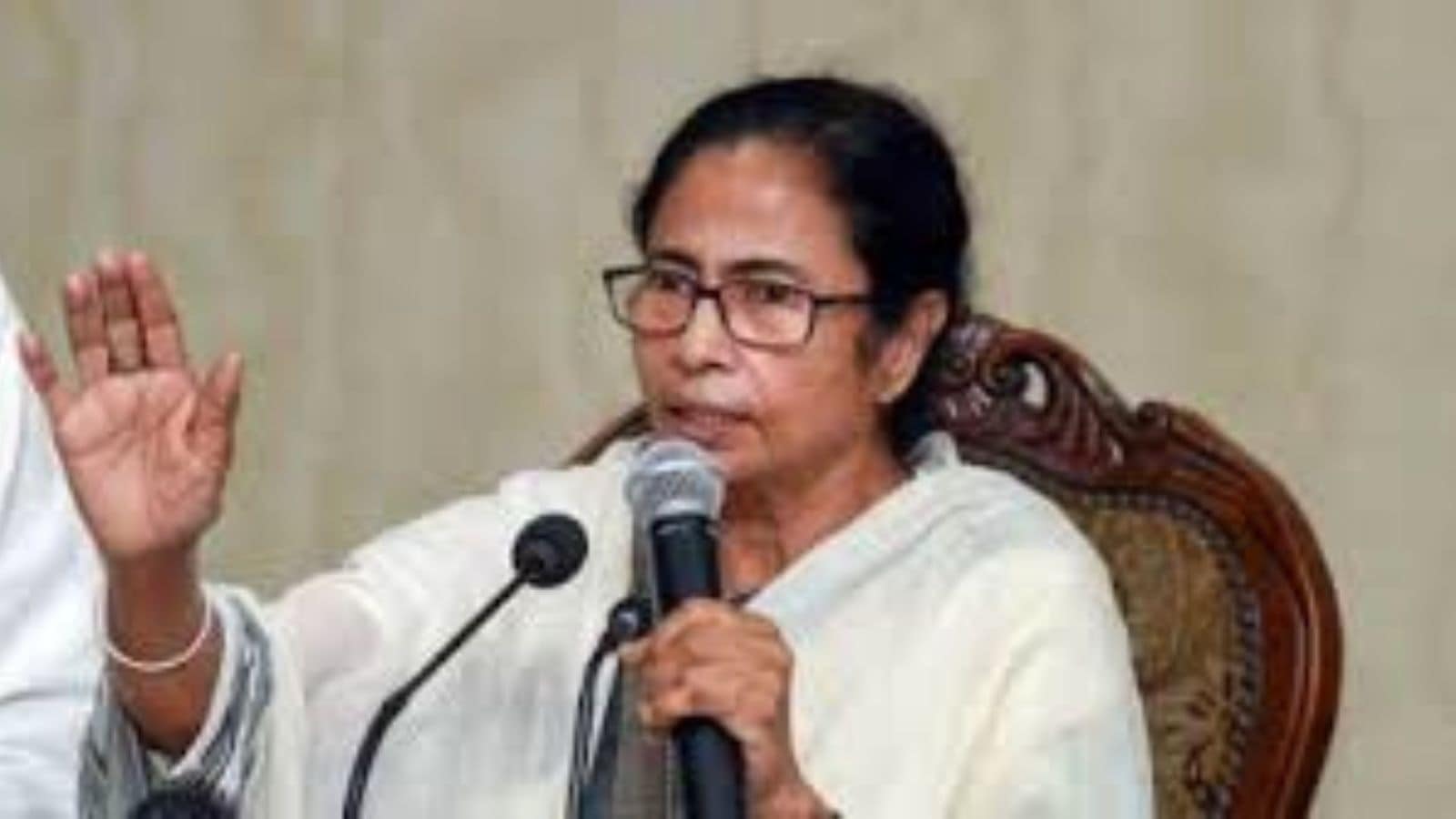
West Bengal Chief Minister Mamata Banerjee has voiced strong opposition to the Election Commission of India’s recent decision to replace several top government officials. She described the move as a one-sided action that ignores the authority of the state government. Banerjee warned the commission to avoid taking such steps in the future without proper consultation. This disagreement comes at a sensitive time as the state prepares for its upcoming elections.
Main Impact
The primary impact of this bureaucratic overhaul is a sudden change in the leadership of the state's police force and local administration. By removing the Director General of Police and other key officers, the Election Commission has taken direct control over how the state is managed during the voting period. Banerjee argues that this move weakens the state government's power and could lead to confusion among government staff. It also creates a feeling of uncertainty among the public about who is responsible for their safety and the election process.
Key Details
What Happened
The Election Commission of India (ECI) issued an order to transfer several high-ranking bureaucrats out of their current roles. This included the head of the state police and several District Magistrates who oversee large areas. The ECI stated that these changes were necessary to ensure that the upcoming elections are conducted in a fair and neutral manner. However, the state government was not consulted before these orders were made public, leading to a sharp response from the Chief Minister.
Important Numbers and Facts
The overhaul affected more than half a dozen top-tier positions across West Bengal. Specifically, the Director General of Police (DGP) was replaced within hours of the announcement. Additionally, officials in charge of sensitive districts were moved to roles where they have less influence over the election. Under Indian law, the Election Commission has the power to oversee all administrative staff once the election schedule is announced. This period is known as the Model Code of Conduct, which gives the commission broad authority to prevent any political influence over government workers.
Background and Context
In India, the Election Commission is an independent body responsible for managing national and state elections. One of its main jobs is to make sure that the party currently in power does not use government resources or officials to win votes. To do this, the commission often moves officers who are seen as being too close to the ruling party. West Bengal has a history of intense political competition, and elections there are often watched very closely. Mamata Banerjee and her party, the Trinamool Congress, have often argued that these central interventions are a way for the national government to interfere in state matters. They believe the state should have more say in who manages its local affairs.
Public or Industry Reaction
The reaction to this overhaul has been split along political lines. Members of the Trinamool Congress have supported Banerjee’s stance, calling the move an attack on the rights of the state. They claim that the commission is acting under the influence of the central government to help the opposition. On the other hand, leaders from the Bharatiya Janata Party (BJP) have welcomed the changes. They argue that the state administration has been biased for a long time and that new, neutral officers are needed to protect the rights of voters. Many citizens are simply hoping that these changes will lead to a peaceful voting process without the usual reports of trouble at polling stations.
What This Means Going Forward
Looking ahead, this conflict could lead to more legal and political battles between the state and the central authorities. The state government might choose to challenge these transfers in court, although the Election Commission usually has the final say during election periods. The new officers will face the difficult task of managing a high-stakes election while being under intense scrutiny from both the government and the opposition. If the elections go smoothly, the commission will likely feel justified in its actions. However, if there are still issues with safety or fairness, the debate over these measures will only grow louder.
Final Take
The clash between Mamata Banerjee and the Election Commission highlights a deep lack of trust between state leaders and central authorities. While the commission aims to protect the integrity of the vote, the state government sees these actions as a threat to its own power. For the average voter, the most important thing is that the election remains free and fair, regardless of which officials are sitting in the top offices. The coming weeks will show if these administrative changes actually help achieve that goal.
Frequently Asked Questions
Why does the Election Commission remove officials?
The commission removes officials to ensure they remain neutral during the election. This prevents the ruling party from using the police or local government to influence the outcome of the vote.
What did Mamata Banerjee say about the changes?
She called the measures "unilateral" and "undemocratic." She asked the commission to stop making such big decisions without talking to the state government first.
Can the state government stop these transfers?
Once the election period starts, the Election Commission has the legal power to move officials. While the state can complain or go to court, the commission’s orders are usually followed immediately to keep the election process moving.



