
Summary
West Bengal Chief Minister Mamata Banerjee has warned voters that a victory for the Bharatiya Janata Party (BJP) could lead to the loss of homes and livelihoods. Speaking at a campaign rally in East Burdwan, she claimed that the opposition party would take away the security and families of local residents. She also defended her government’s record on worker pay and pensions while criticizing the central government over high fuel costs. These statements come as the state moves toward the final phases of its local elections.
Main Impact
The Chief Minister’s comments highlight a growing tension in the state’s political environment. By suggesting that citizens might lose their "address" and "shelter," she is framing the election as a fight for basic survival rather than just a change in leadership. This approach aims to speak directly to the fears of the working class and rural voters who rely on state-funded programs. If these warnings resonate with the public, it could change how people vote in the upcoming election rounds.
Furthermore, her focus on the 7th Pay Commission and government pensions is a direct attempt to win over the large number of state employees. By claiming that West Bengal is one of the few states still providing pensions, she is positioning her administration as a protector of long-term financial security. This strategy is designed to counter the BJP’s promises of better economic management and higher wages for workers.
Key Details
What Happened
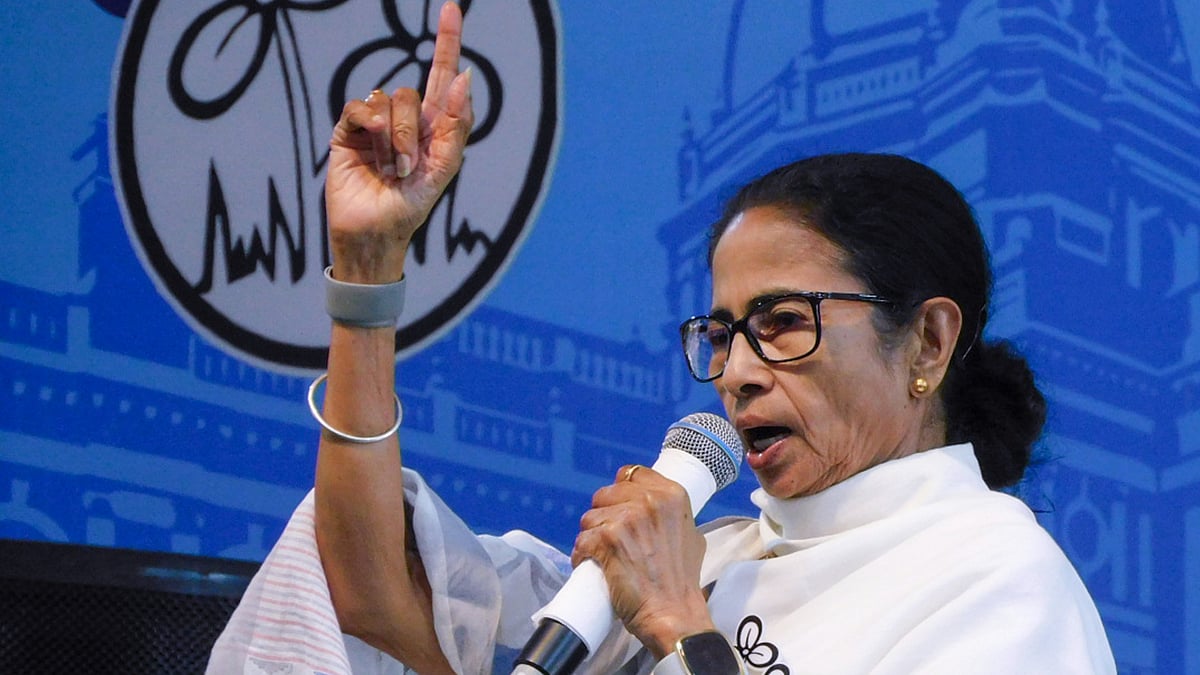
During a large gathering in Khandaghosh, Mamata Banerjee addressed several key issues that have defined the current election cycle. She spent a significant amount of time talking about the BJP's campaign promises, calling them dishonest. Specifically, she pointed out that the BJP has been promising to implement the 7th Pay Commission, which is a system used to set the salaries of government workers. Banerjee argued that her government had already included this in the state budget back in February, making the BJP's promise unnecessary.
She also spoke about the state's ability to sell its products. She dismissed claims that the BJP would be needed to help West Bengal export its famous food items. According to the Chief Minister, the state is already successful in selling these goods locally, across India, and in international markets. She suggested that the opposition does not understand the current success of the state's trade.
Important Numbers and Facts
One of the most serious claims made during the speech involved a financial deal. Banerjee alleged that a former member of her own party and the BJP were involved in a deal worth Rs 1,000 crore. She claimed this money was meant to be used to divide minority voters and weaken her party's support. While the opposition has called the evidence of this deal fake, Banerjee insisted that they are simply trying to hide the truth.
The timing of these statements is also important. The state is preparing for two more phases of voting. These are scheduled to take place on April 23 and April 29. The results of these voting days will determine who leads the state for the next several years.
Background and Context
West Bengal is currently in the middle of a very competitive election. The Trinamool Congress (TMC), led by Mamata Banerjee, has been in power for years, but the BJP has become a strong challenger. Both parties are fighting for the support of different groups, including government workers, farmers, and minority communities. In India, the 7th Pay Commission is a major topic because it affects how much money millions of people take home in their paychecks. Similarly, pensions are a sensitive issue because many other states have moved away from traditional pension plans to save money.
Public or Industry Reaction
The reaction to these claims has been split along party lines. Supporters of the TMC believe that the Chief Minister is protecting the state from outside influence and economic hardship. They see her focus on fuel prices as a sign that she understands the struggles of regular people. On the other hand, the BJP has denied the allegations regarding the Rs 1,000 crore deal. They maintain that their promises for the state are genuine and that the current government has failed to bring enough growth to the region. The debate over whether the 7th Pay Commission has been properly handled continues to be a point of disagreement between the two sides.
What This Means Going Forward
As the election dates of April 23 and April 29 approach, the language used by both sides is likely to become even more intense. The focus on "shelter" and "homes" suggests that the campaign will move toward very personal issues for voters. The outcome will likely depend on whether voters feel more secure with the current state government or if they believe the central government can offer a better future. The issue of fuel prices will also remain a major talking point, as it affects the cost of food and transportation for everyone in the state.
Final Take
This election has turned into a battle over who can best provide for the basic needs of the people. By focusing on housing, pay, and the cost of living, Mamata Banerjee is trying to show that her party is the only one that can guarantee stability. The coming weeks will show if this message is enough to keep her in power or if the opposition's promises of change will win over the public.
Frequently Asked Questions
What did Mamata Banerjee say about people losing their homes?
She claimed that if the BJP wins the election, people in West Bengal will lose their addresses, their shelter, and their family security. She framed the opposition as a threat to the personal safety of residents.
What is the argument regarding the 7th Pay Commission?
The BJP promised to bring the 7th Pay Commission to the state to raise worker salaries. However, Mamata Banerjee says her government already announced this in the state budget in February, calling the BJP's promise a lie.
When are the next rounds of voting in West Bengal?
The remaining phases of the assembly elections are scheduled to be held on April 23 and April 29. These dates will be crucial in deciding the final winner of the election.

