
Summary
West Bengal Chief Minister Mamata Banerjee has voiced strong opposition to the proposed Uniform Civil Code (UCC). She described the plan as a dangerous move that could strip citizens of their right to follow their own religious practices. Banerjee argued that India’s strength lies in its diversity and that a single law for personal matters would hurt the country's social fabric. Her comments highlight a growing political divide over how personal laws should be handled in the country.
Main Impact
The push for a Uniform Civil Code has become a major point of tension between the central government and several state leaders. If the UCC is put into action, it would replace various religious laws with one set of rules for every citizen. This change would cover sensitive areas like marriage, divorce, inheritance, and adoption. Banerjee’s warning suggests that the move could lead to social unrest and a loss of cultural identity for many minority groups and tribal communities.
Key Details
What Happened
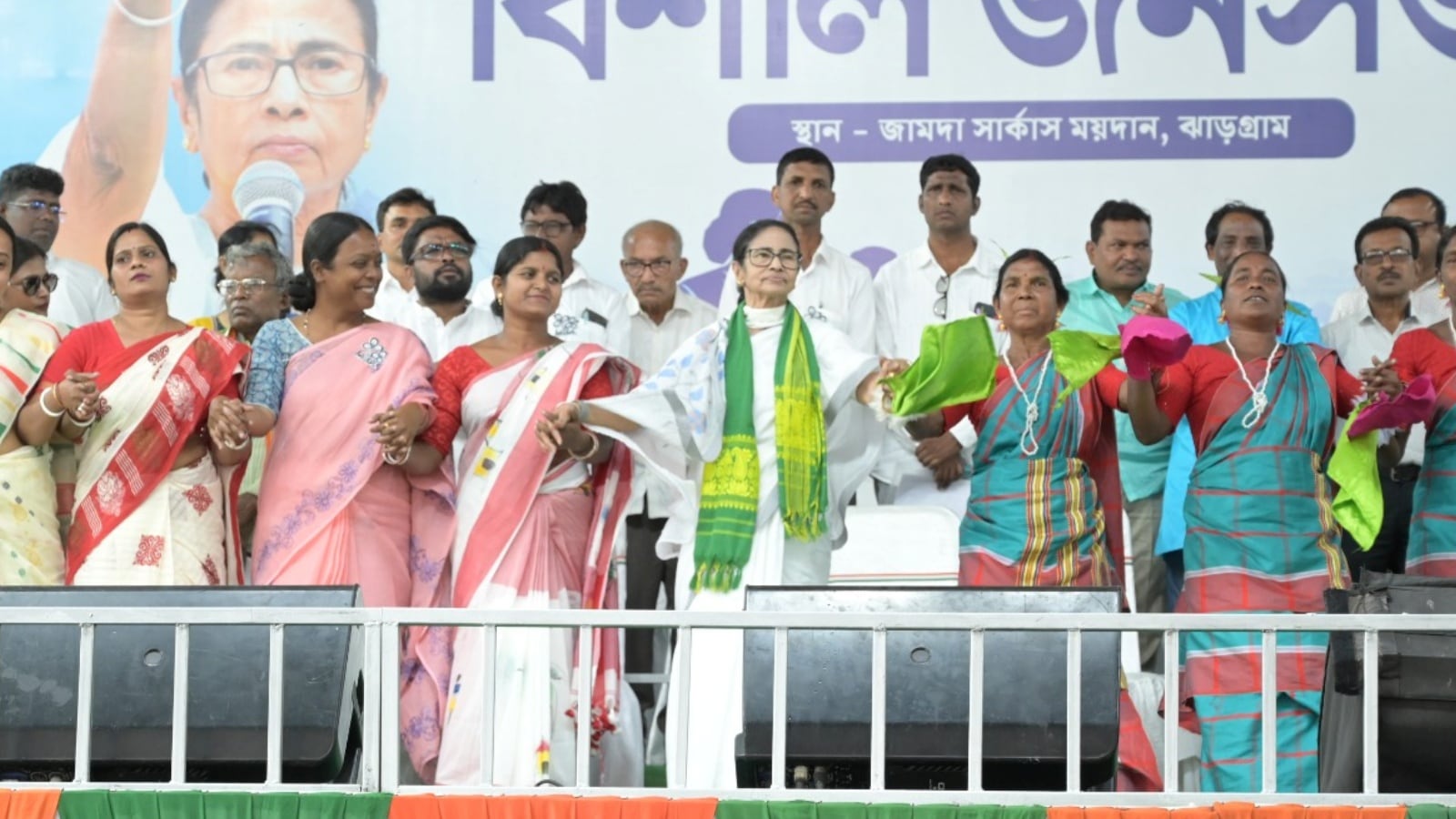
During a recent public event, Mamata Banerjee spoke out against the central government's interest in the UCC. She stated that the law is not just a threat to one specific group but to everyone who follows unique traditions. She claimed that the government is trying to force a single identity on a nation that has always been home to many different faiths. Banerjee also suggested that the timing of this discussion is linked to political goals rather than a genuine desire for reform.
Important Numbers and Facts
The debate over the UCC is based on Article 44 of the Indian Constitution, which suggests that the state should try to secure a uniform code for its citizens. While the central government has been discussing a national version, the state of Uttarakhand has already passed its own version of the UCC. The 22nd Law Commission of India has also been gathering views from the public and religious organizations, receiving millions of responses. Banerjee’s party, the Trinamool Congress, remains one of the most vocal critics among the opposition groups.
Background and Context
In India, people currently follow different laws for personal matters based on their religion. For example, Hindus, Muslims, Christians, and Sikhs have their own specific rules for weddings and how property is passed down to children. The idea of a Uniform Civil Code is to remove these differences and have one law that applies to everyone regardless of their faith. Supporters say this will promote equality and protect women's rights. However, critics like Banerjee believe it ignores the special protections given to different cultures and could lead to the majority imposing its will on others.
Public or Industry Reaction
The reaction to Banerjee’s statement has been split. Many religious leaders and tribal heads have supported her view, fearing that their ancient customs will be erased by a modern, standardized law. They argue that a "one size fits all" approach does not work in a country as large and varied as India. On the other hand, some legal experts and women's rights activists argue that a uniform law is necessary to end discriminatory practices that exist within some religious traditions. The ruling party has dismissed Banerjee’s claims, calling them a way to scare voters for political gain.
What This Means Going Forward
The road to a national Uniform Civil Code is likely to be long and filled with legal challenges. If the central government moves forward with a bill in Parliament, it will face intense debate and possible protests. State governments led by opposition parties may refuse to implement certain parts of the code or challenge them in the Supreme Court. For the average citizen, this means that the rules governing family life could stay the same for a while, but the political conversation will continue to be a major topic in future elections. The government will need to find a way to balance the goal of equality with the need to respect religious freedom.
Final Take
The debate over the Uniform Civil Code is about more than just legal rules; it is about the identity of the nation. Mamata Banerjee’s strong words reflect a deep fear that centralizing power over personal lives will damage the peaceful coexistence of different groups. As the government continues to study the issue, the challenge will be to prove that such a law can truly protect everyone without taking away the very freedoms that define the country.
Frequently Asked Questions
What is the Uniform Civil Code?
The Uniform Civil Code is a proposal to create one set of laws for all citizens regarding personal matters like marriage, divorce, and property, replacing the current laws that vary by religion.
Why does Mamata Banerjee oppose the UCC?
She believes it is dangerous because it could take away the right of individuals to practice their own faith and traditions. She also views it as a political tool used to create division.
Does the UCC affect all religions?
Yes, if implemented nationally, the UCC would apply to all citizens regardless of whether they are Hindu, Muslim, Christian, Sikh, or part of a tribal community.



