
Summary
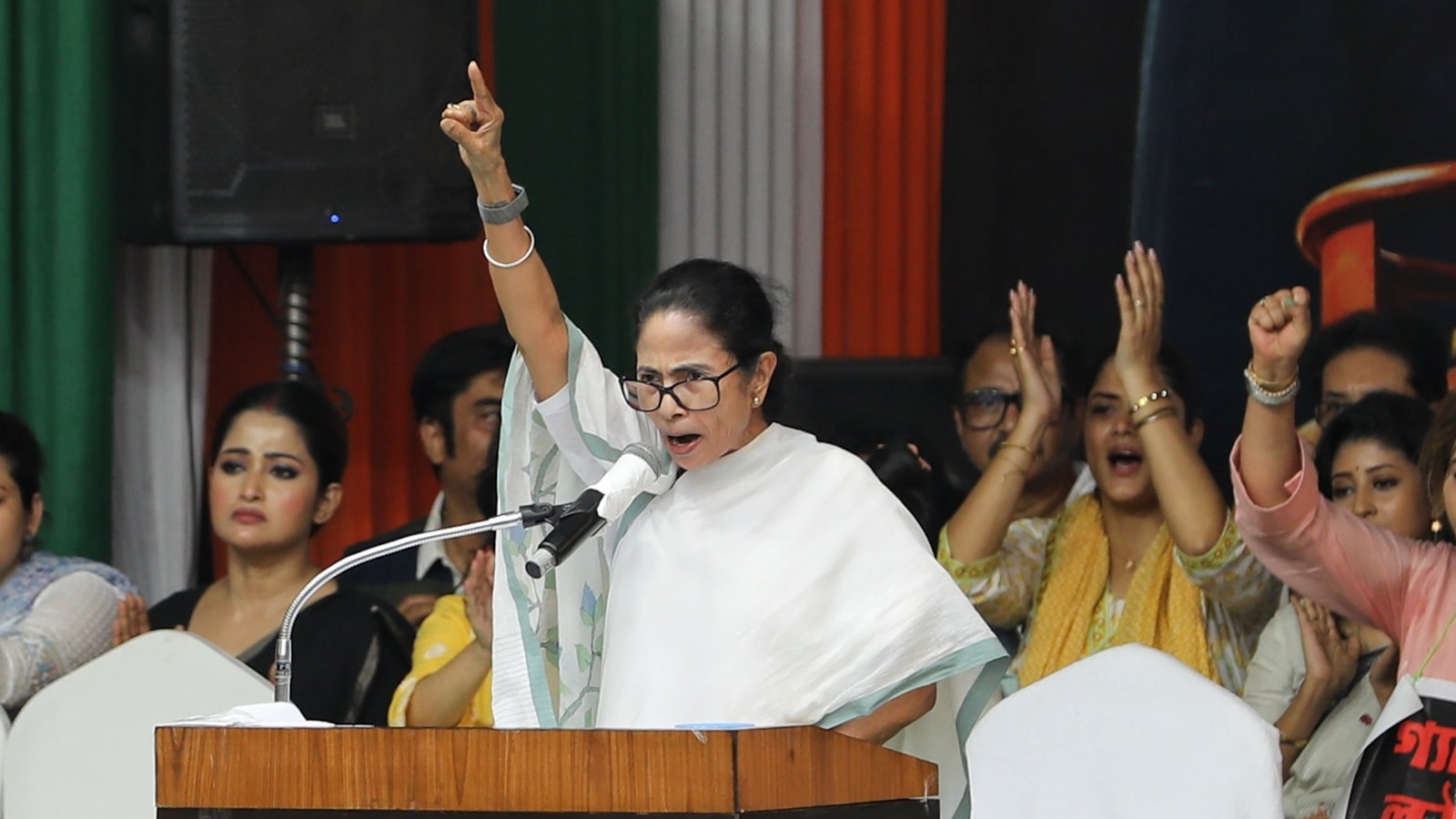
West Bengal Chief Minister Mamata Banerjee has expressed strong anger toward the Election Commission of India. She criticized the commission for moving several high-ranking state officials out of their positions late at night. Banerjee claimed these actions were one-sided and done to help the Bharatiya Janata Party (BJP). She also used sharp language, calling the commission's decisions biased against women and religious traditions.
Main Impact
The primary impact of this development is a growing lack of trust between the state government of West Bengal and the national body responsible for managing elections. By moving top police and administrative officers without consulting the state, the Election Commission has triggered a major political row. This situation makes the election environment more tense and raises questions about how the state will be managed during the voting period. It also sets the stage for a legal and political battle over the limits of the commission's power.
Key Details
What Happened
The Election Commission recently issued orders to transfer several key officials in West Bengal. These transfers happened around midnight, which Mamata Banerjee described as a "secretive" and "unfair" way of working. The officials removed include senior police officers and district leaders who play a big role in maintaining law and order. Banerjee argued that the state government was not informed or asked for its opinion before these changes were made. She believes these moves are designed to weaken her administration's control and give an advantage to her political rivals.
Important Numbers and Facts
The orders affected multiple districts across West Bengal. While the exact number of officers moved can change as new orders come out, the focus was on the highest levels of the police force. These changes usually happen under the Model Code of Conduct, which gives the Election Commission temporary power over state staff. Banerjee pointed out that such "midnight orders" are unusual and disrupt the daily work of the government. She specifically mentioned that targeting certain officers felt like an attack on the dignity of women in the workforce, as several female officials were among those moved.
Background and Context
In India, the Election Commission takes over many administrative duties once an election is announced. Their goal is to make sure that the ruling party does not use government resources or officials to win unfairly. To do this, they often move officers who they believe might be biased or who have been in one position for too long. However, in West Bengal, this process has often led to conflict. The ruling Trinamool Congress (TMC) frequently accuses the commission of acting as a tool for the central government in Delhi. This history of tension makes every administrative change a major point of political debate.
Public or Industry Reaction
The reaction to Banerjee's statement has been divided along political lines. Supporters of the TMC believe the Chief Minister is standing up for the rights of the state against central interference. They argue that the Election Commission should work with state leaders rather than acting alone. On the other side, leaders from the BJP have defended the commission. They say the transfers are necessary to ensure a peaceful and fair election in a state that has seen political violence in the past. Neutral observers and legal experts are watching closely to see if the state government will take this matter to court to challenge the commission's authority.
What This Means Going Forward
Looking ahead, the relationship between West Bengal and the Election Commission is likely to remain difficult. The Chief Minister has signaled that she will not stay silent about what she calls "interference." This could lead to more protests or formal complaints. For the voters, this means the election will be fought not just on local issues, but also on the theme of state pride versus central control. The new officers appointed by the commission will be under a lot of pressure to prove they are neutral while managing a very heated political environment.
Final Take
The clash between Mamata Banerjee and the Election Commission highlights a deep struggle over how elections should be managed in India. While the commission has the legal right to move officials to ensure fairness, the timing and lack of communication can lead to serious political fallout. This situation serves as a reminder that the path to a smooth election is often filled with administrative and political hurdles that require careful balance from all sides.
Frequently Asked Questions
Why does the Election Commission move officials?
The commission moves officials to prevent any local bias and to ensure that no political party has an unfair advantage during the voting process. This is a standard part of their effort to keep elections free and fair.
What did Mamata Banerjee mean by "anti-women" and "anti-Hindu"?
She used these terms to claim that the commission's choices targeted female officers and ignored the timing of local religious events or the roles of officials who manage them. It is a way of saying the decisions were insensitive to the state's culture and people.
Can the state government stop these transfers?
Once the election period begins, the Election Commission has the final say over administrative staff. While the state government can complain or go to court, they generally have to follow the commission's orders until the election is over.



