
Summary
West Bengal Chief Minister Mamata Banerjee has voiced strong criticism against the Bharatiya Janata Party (BJP) and the Election Commission. She described the BJP as the most "dirty" political group she has ever encountered in her long career. Banerjee also pointed out what she calls major mistakes in the election oversight process, specifically regarding the Special Identification Report (SIR). These comments come as she campaigns to lead her party, the Trinamool Congress (TMC), to a fourth consecutive term in power.
Main Impact
The primary impact of these statements is an increase in political tension between the state government of West Bengal and the central government in New Delhi. By questioning the fairness of the election process, Banerjee is signaling to her supporters that the upcoming vote may be influenced by outside forces. This rhetoric aims to unite local voters under a banner of state pride. It also puts pressure on the Election Commission to prove that its methods are transparent and fair to all parties involved.
Key Details
What Happened
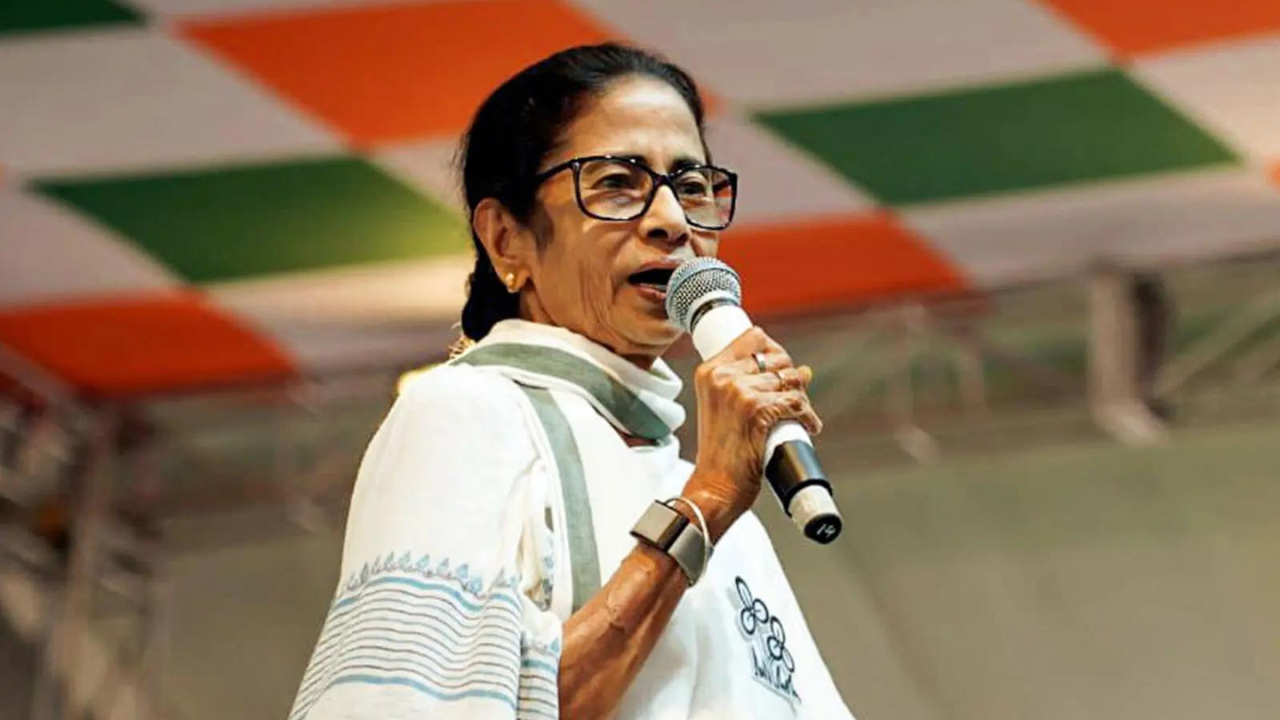
During a recent public event, Mamata Banerjee spoke about the current political climate in West Bengal. She focused heavily on the conduct of the BJP, accusing them of using unfair tactics to gain an advantage. She specifically mentioned the SIR process, which is used to monitor and identify specific issues during the election cycle. Banerjee claimed there is a "logical discrepancy" in how this process is being handled. In simple terms, she believes the rules are being applied in a way that does not make sense and seems to favor her opponents.
Important Numbers and Facts
The TMC is currently working toward securing its fourth term in the state. This is a significant milestone in Indian politics, as staying in power for over fifteen years is a difficult task. During her speech, Banerjee used the term "Bangla-Birodhi Zamindars" to describe the BJP leadership. This phrase translates to "Anti-Bengal Landlords." It is a strategic choice of words meant to remind voters of historical figures who controlled land and people through force. By using this label, she portrays the BJP as an outside force trying to take control of Bengal's resources and culture.
Background and Context
To understand why this matters, one must look at the history of politics in West Bengal. For many years, the state was a stronghold for left-wing parties. The TMC took over in 2011 and has held power ever since. However, in recent years, the BJP has grown much stronger in the region. This has led to a very intense rivalry where both sides frequently accuse each other of violence and corruption.
The Election Commission is the body responsible for making sure voting is fair. In West Bengal, elections are often held in several stages because the state is large and has a history of political clashes. The SIR process is part of the safety and monitoring measures. When a leader like Banerjee claims there is a "logical discrepancy," she is saying that the data or the methods used by the commission are flawed. This creates doubt in the minds of the public about whether the final election results will truly reflect the will of the people.
Public or Industry Reaction
The reaction to Banerjee's comments has been split along party lines. Supporters of the TMC believe she is standing up for the rights of the state against a powerful central government. They see her as a protector of "Bengali identity." On the other hand, BJP leaders have dismissed her claims. They argue that she is making these accusations because she is afraid of losing her grip on power. They maintain that the Election Commission is an independent body and that the rules are the same for everyone.
Political experts note that this type of language is common during high-stakes elections in India. By calling the BJP "dirty," Banerjee is trying to take the moral high ground. By criticizing the SIR process, she is preparing a defense in case her party does not perform as well as expected. It is a strategy used to keep the voter base energized and alert.
What This Means Going Forward
As the election moves forward, we can expect more heated debates regarding the role of central agencies in the state. The focus will likely stay on whether the election process is truly neutral. If more "logical discrepancies" are found or claimed, it could lead to legal challenges or protests. The TMC will continue to use the "outsider" narrative to keep local voters on their side. Meanwhile, the BJP will likely focus on issues like local corruption and the need for a change in leadership after three terms of TMC rule.
The outcome of this struggle will decide the future of West Bengal for the next five years. It will also show whether the BJP can successfully break into one of the last major states where they do not hold power. The tension between the state and the Election Commission will be a key factor to watch as the voting dates get closer.
Final Take
The political battle in West Bengal is about more than just votes; it is about the identity of the state and the fairness of the democratic system. Mamata Banerjee’s strong words reflect a deep lack of trust between the state government and central authorities. Whether her claims about the SIR process are proven right or wrong, the conversation has shifted toward the integrity of the election itself. Voters will now have to decide if they believe the system is working for them or if it has been tilted in favor of a specific group.
Frequently Asked Questions
What is the SIR process in elections?
The Special Identification Report (SIR) is a method used by election officials to identify and monitor specific areas or issues that might affect the fairness of a vote. It helps in planning security and ensuring that rules are followed.
Why did Mamata Banerjee call the BJP "Zamindars"?
She used this term to compare the BJP to historical landlords who were often seen as oppressive and disconnected from the local people. It is a way to paint the party as an "outside" force that does not understand or care about Bengal's culture.
What does "logical discrepancy" mean in this context?
In this case, it means that the Chief Minister believes the way election rules are being applied does not follow a consistent or fair logic. She is suggesting that the process is being changed or used in a way that unfairly helps her political opponents.



