
Summary
West Bengal Chief Minister Mamata Banerjee has recently changed a famous political slogan that helped her win power over a decade ago. In 2011, she promised "change, not revenge" to end the long rule of the Left Front. Now, she has flipped those words to say she wants "revenge" instead of just "change." This shift in language marks a major turning point in her political style as she faces growing pressure from rival parties and federal investigators.
Main Impact
The decision to change this slogan has a big impact on the political mood in West Bengal. By calling for revenge, the Chief Minister is signaling a much more aggressive approach toward her political opponents. This change could lead to more heated debates and tension between the Trinamool Congress (TMC) and the Bharatiya Janata Party (BJP). It also suggests that the era of trying to appear as a peaceful reformer may be over, replaced by a strategy of direct confrontation.
Key Details
What Happened
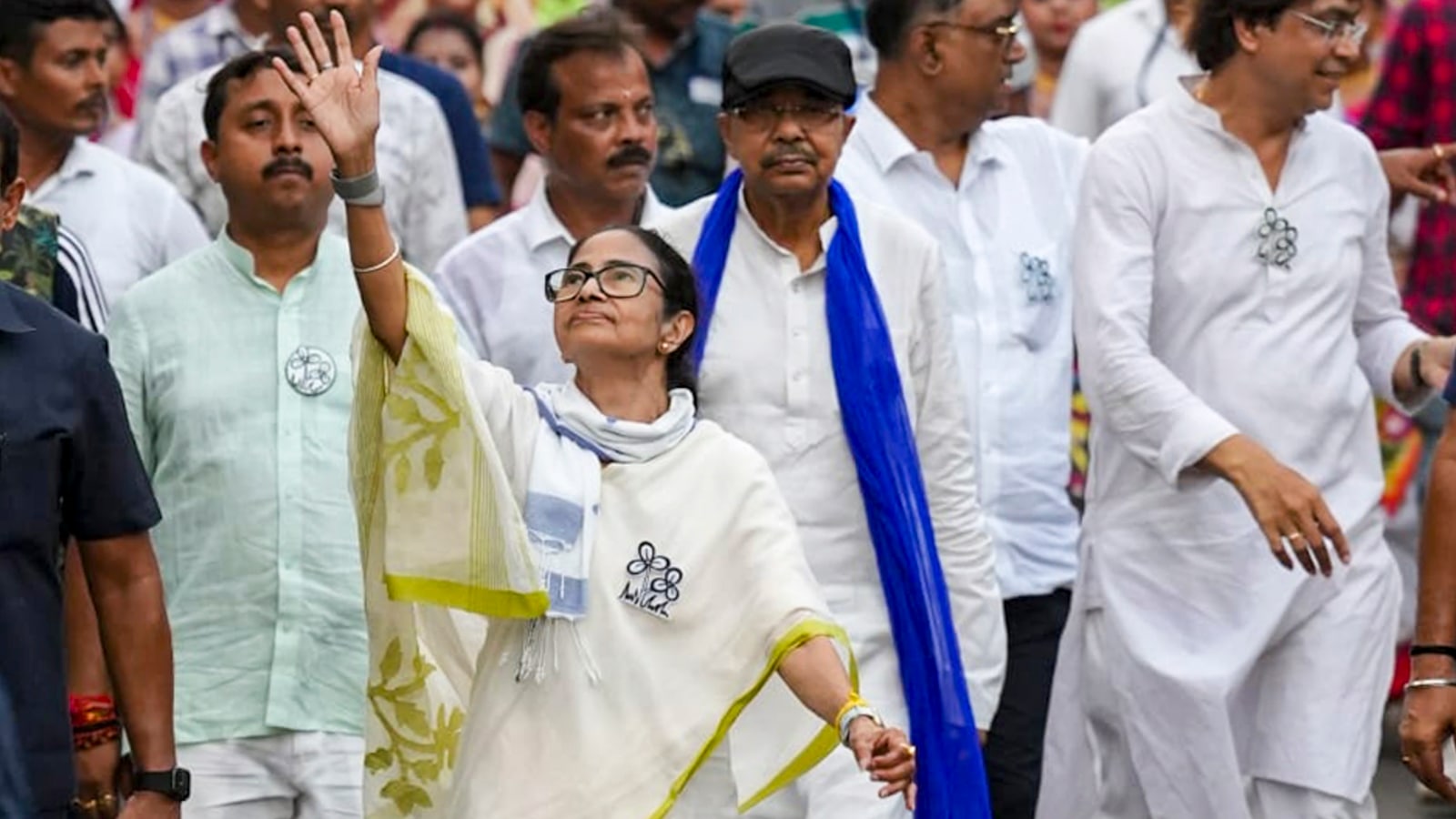
During a recent public event, Mamata Banerjee spoke to her supporters about the current political situation in the state. She used the phrase "Bodol noi, badla chai," which translates to "Not change, we want revenge." This was a direct reversal of her 2011 winning slogan, "Bodol chai, badla noi" (We want change, not revenge). The change comes at a time when several members of her party are facing investigations by central agencies like the CBI and the ED.
Important Numbers and Facts
In 2011, Mamata Banerjee made history by ending the 34-year rule of the Communist Party of India (Marxist) in West Bengal. Her original slogan was designed to reassure voters that she would not use her power to hurt her former enemies. However, in the years since, the political scene has changed. The BJP has become the main opposition party in the state, and the legal pressure on the TMC has increased. The new slogan is seen as a response to these modern challenges rather than the issues of 2011.
Background and Context
To understand why this matters, it is important to look back at West Bengal's history. For many years, the state was known for having a lot of political conflict. When Mamata Banerjee first ran for the top job, she wanted to show that she was different. She promised to bring a new kind of politics that focused on development and peace. Her slogan "change, not revenge" was a key part of that promise. It helped her win over people who were tired of the old ways of fighting.
Today, the situation is very different. The Chief Minister feels that her party is being unfairly targeted by the central government in New Delhi. She often says that federal agencies are being used as tools to weaken her government. Because of this, she is moving away from her old message of peace. She wants her supporters to feel that they are in a fight and that they need to hit back against their rivals.
Public or Industry Reaction
The reaction to this new slogan has been very strong. Leaders from the BJP have criticized the Chief Minister, saying that her words could lead to more violence in the state. They argue that a leader should call for law and order, not for revenge. They believe this new slogan shows that the TMC is worried about losing its grip on power.
On the other hand, supporters of the TMC say the slogan is being misunderstood. They argue that "revenge" in this context means winning at the ballot box and standing up to political bullying. They feel that the party needs to show strength because they are being attacked from all sides. Many local party workers have welcomed the tougher tone, saying it gives them more energy to fight for their leader.
What This Means Going Forward
Looking ahead, this change in language suggests that the next elections in West Bengal will be very intense. We can expect to see more aggressive campaigning and sharper attacks between the major parties. The use of the word "revenge" might also change how local police and officials handle political protests. There is a risk that this rhetoric could make it harder for different political groups to work together on state issues. For the average voter, the focus may shift away from policy and development toward a more personal and angry style of politics.
Final Take
Mamata Banerjee is a politician who knows how to use words to move a crowd. By flipping her most famous slogan, she is telling the world that the rules of the game have changed. While her original message was about bringing a new era of peace, her new message is about survival and fighting back. Whether this strategy helps her stay in power or causes more trouble for the state remains to be seen, but it is clear that the peaceful tone of 2011 is now a thing of the past.
Frequently Asked Questions
What was Mamata Banerjee's original slogan in 2011?
Her original slogan was "Bodol chai, badla noi," which means "We want change, not revenge." It was used to promise a peaceful transition of power.
Why did she change the slogan now?
She changed it to "Bodol noi, badla chai" (Not change, we want revenge) to show a tougher stance against political rivals and central agency investigations.
How has the opposition reacted to this change?
Opposition parties like the BJP have criticized the move, claiming it encourages political violence and shows that the ruling party is becoming more aggressive.



