
Summary
West Bengal Chief Minister Mamata Banerjee has expressed strong support for the ongoing protest by the Calcutta High Court's Chief Justice (CJP) at Jantar Mantar in New Delhi. She stated that she is ready to join the protest if necessary, highlighting her concerns over what she sees as political interference in the judiciary. This development marks a significant political statement from a key opposition leader, drawing attention to the growing tensions between the judiciary and the central government.
Main Impact
Mamata Banerjee's offer to join the protest brings a high-profile political figure into a dispute that has largely been confined to legal circles. Her statement could rally other opposition leaders and amplify calls for judicial independence. The protest itself, led by the Chief Justice of the Calcutta High Court, is a rare public demonstration by a senior judge, signaling deep unease within the judiciary about external pressures.
Key Details
What Happened
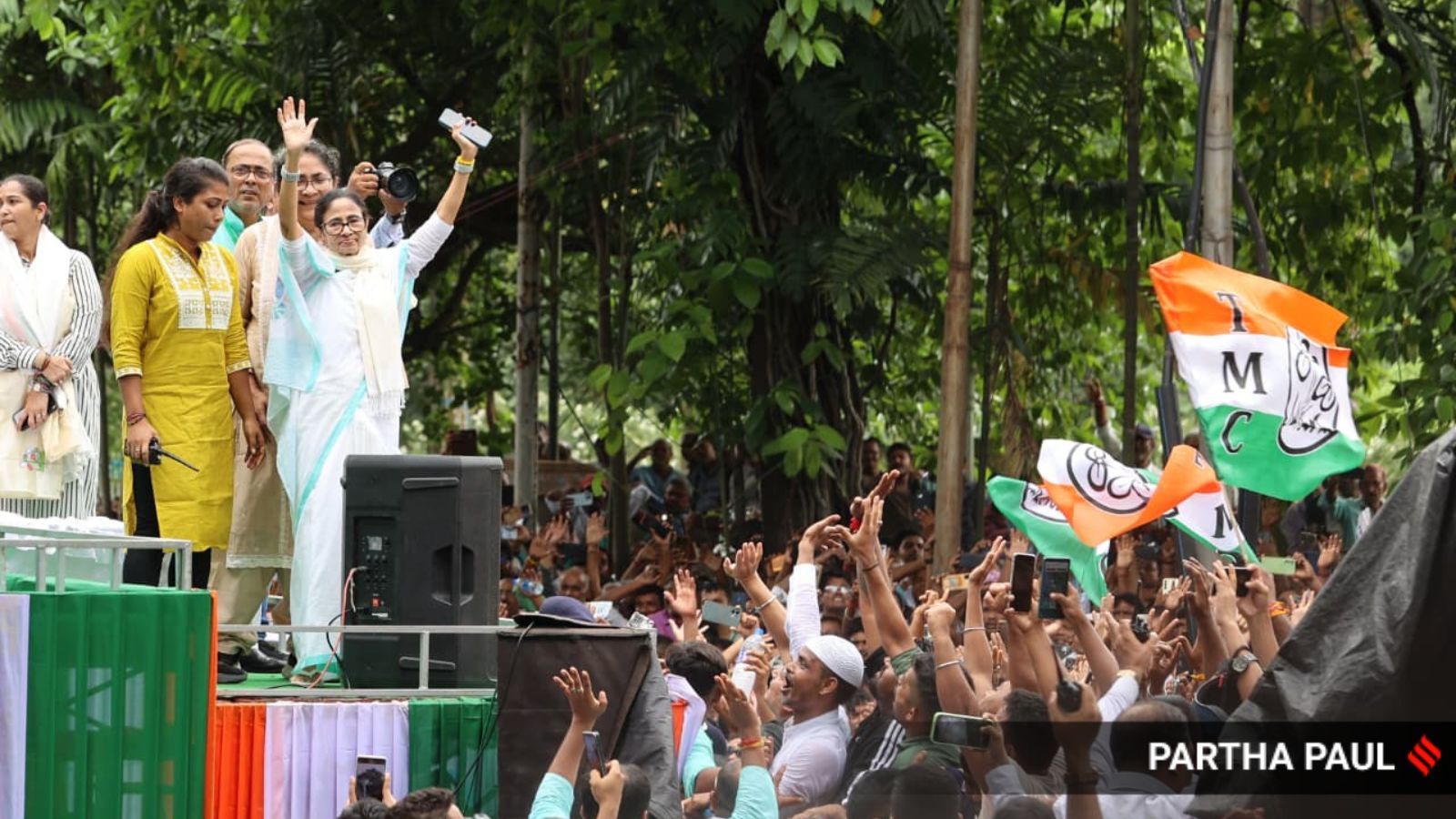
During a press conference in Kolkata, Mamata Banerjee was asked about the protest by the Chief Justice of the Calcutta High Court at Jantar Mantar in New Delhi. She responded by saying, "If need be, I will go and sit there." She criticized the central government for what she described as attempts to control the judiciary. Banerjee also accused the government of using investigative agencies to pressure judges and opposition leaders.
Important Numbers and Facts
The protest began on July 18, 2026, when the Chief Justice of the Calcutta High Court sat on a dharna (sit-in) at Jantar Mantar. The judge is protesting against the transfer of certain judicial officers and what he claims is political interference in judicial appointments. The protest has drawn support from several lawyers' associations and opposition political parties. Banerjee's comments came on July 20, 2026, adding political weight to the ongoing demonstration.
Background and Context
The relationship between the judiciary and the central government has been strained for several years. Critics argue that the government has tried to influence judicial appointments and transfers. The protest by the Calcutta High Court Chief Justice is seen as a direct challenge to these actions. Mamata Banerjee, as a prominent opposition leader, has often spoken out against what she calls the "centralization of power" and attacks on democratic institutions. Her offer to join the protest is part of a broader political strategy to position herself as a defender of institutional independence.
Public or Industry Reaction
The reaction to Banerjee's statement has been mixed. Supporters of the opposition have praised her for taking a stand. Some lawyers and activists have welcomed her offer, saying it brings much-needed attention to the issue. However, supporters of the ruling party have criticized her, accusing her of politicizing a judicial matter. The central government has not officially responded to her comments. Legal experts have noted that while Banerjee's involvement may increase public awareness, it could also further polarize the debate.
What This Means Going Forward
Mamata Banerjee's offer to join the protest could lead to a larger political mobilization around the issue of judicial independence. If she follows through, it would be a rare instance of a sitting chief minister participating in a protest led by a judge. This could put additional pressure on the central government to address the concerns raised by the judiciary. However, it also risks deepening the political divide. The coming days will show whether other opposition leaders will join her, and whether the government will take any steps to resolve the dispute.
Final Take
Mamata Banerjee's statement is a clear signal that the issue of judicial independence is becoming a major political flashpoint. By offering to join the protest, she is not only supporting a senior judge but also challenging the central government's authority. This move could strengthen her position as a key opposition figure, but it also carries risks of further political confrontation. The situation remains fluid, and the outcome will depend on how both the government and the judiciary respond in the coming weeks.
Frequently Asked Questions
Why is the Chief Justice of Calcutta High Court protesting at Jantar Mantar?
The Chief Justice is protesting against what he claims is political interference in judicial appointments and transfers. He is also opposing the transfer of certain judicial officers, which he believes is unfair and politically motivated.
What did Mamata Banerjee say about the protest?
Mamata Banerjee said she supports the protest and is ready to join it if needed. She criticized the central government for trying to control the judiciary and accused it of using investigative agencies to pressure judges.
What does this mean for the relationship between the judiciary and the government?
This protest and Banerjee's support highlight growing tensions between the judiciary and the central government. It could lead to more public debate about judicial independence and may push the government to address the concerns raised by the judges.



