
Summary
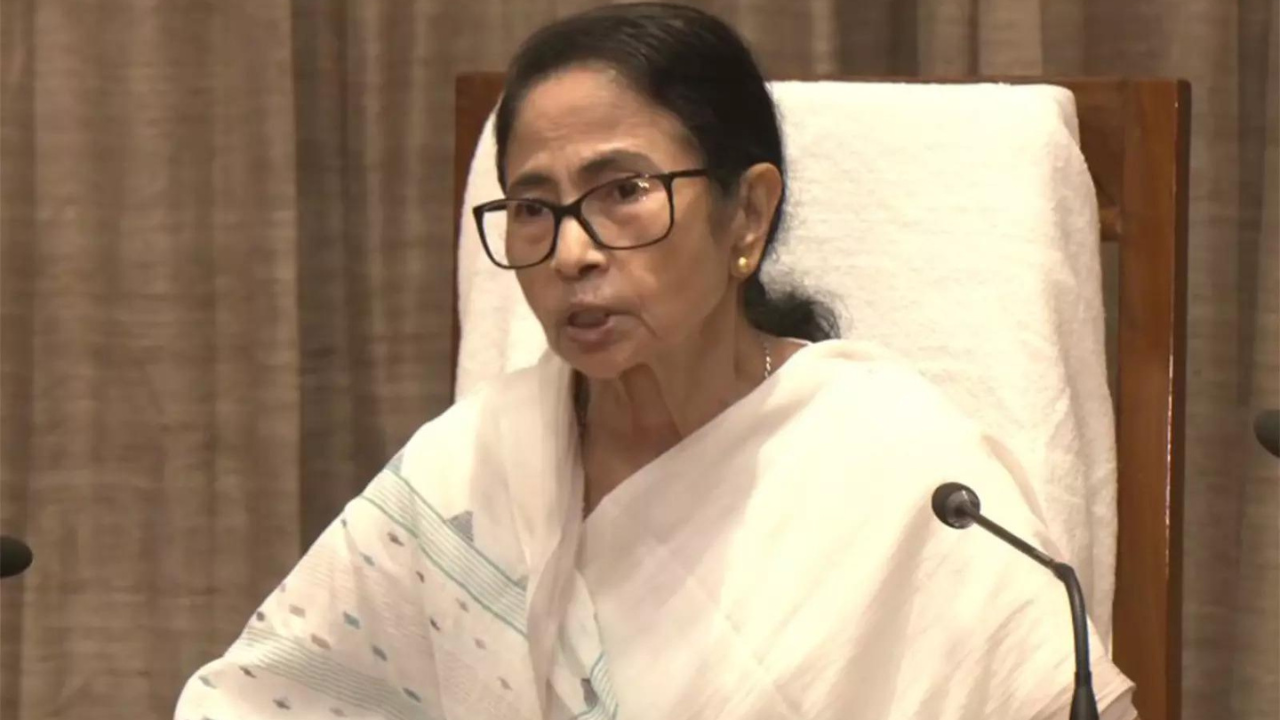
West Bengal Chief Minister Mamata Banerjee has announced a pay increase for religious workers across the state. Monthly payments for both Hindu priests and Muslim muezzins will go up by Rs 500. This decision brings their total monthly honorarium to Rs 2,000. The announcement comes at a critical time, just as the Election Commission is preparing to release the official schedule for upcoming polls. By making this move now, the state government ensures the pay hike is active before strict election rules begin.
Main Impact
This decision directly affects thousands of religious leaders who play a central role in local communities. For many of these individuals, the monthly honorarium is a key part of their income. A raise of Rs 500 represents a significant percentage increase from their previous pay level. Beyond the money, the move sends a strong political message. It shows that the state government is paying attention to the needs of religious functionaries from different faiths at the same time.
The timing of the announcement is also a major factor. In India, once the Election Commission announces poll dates, the "Model Code of Conduct" starts. This code prevents the government from launching new financial schemes or giving out raises that could influence voters. By acting now, the Chief Minister has successfully implemented the change before these restrictions take effect. This ensures that the beneficiaries start receiving the extra money immediately.
Key Details
What Happened
Chief Minister Mamata Banerjee confirmed that the monthly stipend for religious workers would see an immediate boost. This honorarium is a form of financial respect paid by the state to those who manage religious duties in temples and mosques. Along with the pay raise, the Chief Minister also gave the green light to all pending applications for this program. This means many new priests and muezzins who were waiting to join the scheme will now be included and start receiving payments.
Important Numbers and Facts
The specific details of the financial change are straightforward but important for the state budget. The monthly payment was previously set at a lower rate, and the Rs 500 increase brings the new total to Rs 2,000 per month. This applies equally to priests and muezzins, maintaining a balance between the two largest religious groups in West Bengal. The government has not yet released the exact total cost to the state treasury, but with thousands of recipients, the annual expenditure will be substantial.
Background and Context
West Bengal has a long history of providing financial support to religious figures. This practice started several years ago and has often been a topic of debate in the state's political circles. The government argues that these individuals perform vital social work. They lead prayers, manage community events, and often act as advisors to local families. Because many small local temples and mosques do not have large funds, these workers often live on very low incomes.
The state government views these payments as a way to support social harmony. However, the program has faced criticism in the past. Some political opponents have argued that the government should focus more on general development rather than specific religious stipends. Despite these debates, the program has remained a core part of the current administration's social welfare strategy. By including both Hindu and Muslim leaders, the government aims to show that it treats all communities fairly.
Public or Industry Reaction
The reaction to the pay hike has been mixed, largely depending on political views. Many religious leaders have welcomed the news, noting that the cost of living has gone up and any extra money helps their families. Community members who frequent these places of worship often see the move as a sign of respect for their traditions.
On the other hand, opposition parties have raised concerns about the timing. They suggest that the raise is a strategic move to win over influential community leaders right before people go to the polls. Critics often point out that religious figures hold a lot of sway over local voters, and keeping them happy can be a powerful tool during an election campaign. Despite these criticisms, the government maintains that the decision is about recognizing the hard work of these individuals rather than politics.
What This Means Going Forward
In the coming weeks, the focus will shift to how this decision influences the election atmosphere. Since the pay hike is now official, the state administration will work quickly to process the new applications that were recently approved. This will likely lead to a surge in government paperwork as thousands of new names are added to the payment lists.
As the election draws closer, other groups may also ask for similar raises or benefits. The government will have to balance these demands with the state's available budget. Furthermore, the Election Commission will be watching closely to ensure that no further announcements are made once the official poll schedule is released. This pay hike sets the stage for a highly competitive election season where every community's support is vital.
Final Take
The increase in honorariums for priests and muezzins is a clear sign of the government's priorities in West Bengal. By providing this financial boost just before the election season begins, the administration is reinforcing its bond with local religious influencers. While the move is seen by some as a helpful welfare step and by others as a political tactic, its immediate effect is a bit more money in the pockets of those who serve the state's religious institutions.
Frequently Asked Questions
How much was the pay increase for religious workers?
The monthly honorarium was increased by Rs 500, bringing the total monthly payment to Rs 2,000 for each recipient.
Who is eligible for this monthly payment?
The payment is provided to Hindu priests and Muslim muezzins in West Bengal. The government also recently approved all new pending applications for the scheme.
Why was the timing of this announcement important?
The announcement was made just before the Election Commission's schedule for the polls. This allowed the government to implement the raise before the Model Code of Conduct prevented such financial changes.



