
Summary
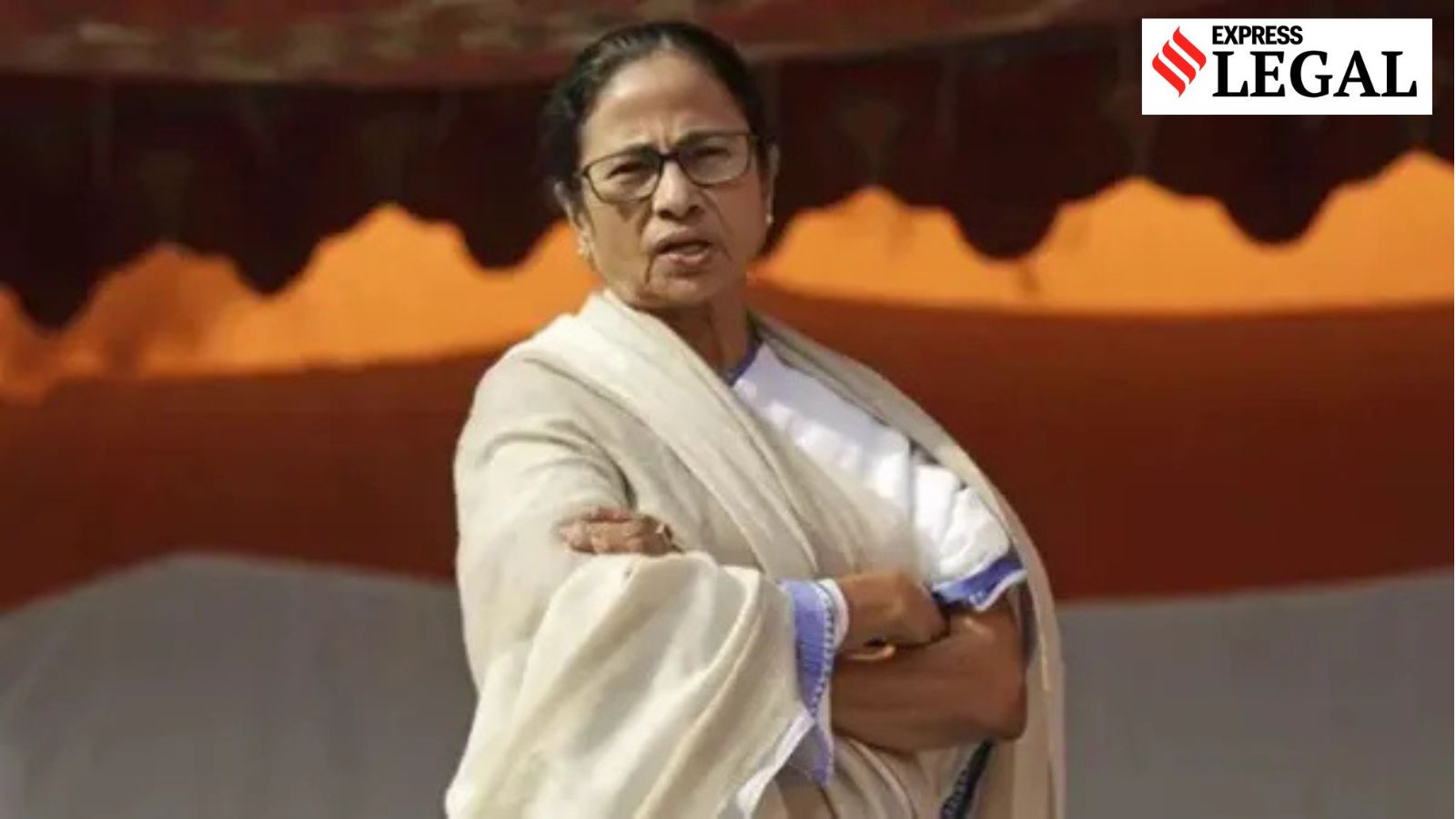
West Bengal Chief Minister Mamata Banerjee has called for a change in how cooking gas is distributed. She stated that Liquefied Petroleum Gas (LPG) cylinders produced or filled within West Bengal should stay in the state. The Chief Minister believes that local resources should first meet the needs of local people before being sent to other parts of the country. This move is intended to reduce waiting times for families and ensure a steady supply of fuel for kitchens across the state. By keeping local production within state borders, the government hopes to provide better energy security for its citizens.
Main Impact
The primary impact of this statement is a push for regional priority in resource management. If this policy is put into action, it could change the way oil and gas companies plan their logistics. Currently, gas distribution is often handled on a national level, where products move across state lines based on demand and supply chains. By demanding that Bengal-made cylinders stay in Bengal, the Chief Minister is challenging the traditional central distribution system. This could lead to faster delivery times for residents in West Bengal, but it might also create supply challenges for neighboring states that rely on Bengal’s bottling plants.
Key Details
What Happened
During a recent public address, Mamata Banerjee highlighted the importance of local manufacturing and its benefits for the people of West Bengal. She pointed out that the state has several facilities where cooking gas cylinders are filled and prepared for use. However, a large portion of these cylinders is often sent to other states as part of a national sharing plan. The Chief Minister argued that it is unfair for the people of Bengal to face shortages or long wait times when the product is being made right in their own backyard. She urged officials and gas companies to prioritize the local market to ensure every household has easy access to cooking fuel.
Important Numbers and Facts
West Bengal is home to several major LPG bottling plants operated by companies like Indian Oil, Bharat Petroleum, and HPCL. These plants process thousands of cylinders every day. In recent months, many households have reported waiting several days or even weeks for a refill. The state government believes that by stopping the transfer of these cylinders to other regions, the local backlog could be cleared almost immediately. While specific data on the exact number of diverted cylinders varies, the goal is to keep 100% of local production for the state's own population of over 90 million people.
Background and Context
Cooking gas is a vital resource for almost every home in India. Over the last few years, the government has pushed for more families to move away from wood-burning stoves to cleaner LPG. This has led to a massive increase in demand. However, the supply chain is complex. Gas is often imported or sent through long pipes to bottling plants, where it is put into metal cylinders. These cylinders are then moved by trucks to various dealers. Because the central government manages most oil and gas rules, states often have little say in where the final product goes. Mamata Banerjee’s demand is part of a larger conversation about how much control a state should have over the goods produced within its territory.
Public or Industry Reaction
The reaction to this statement has been mixed. Many local residents and consumer groups have welcomed the idea. They feel that if the gas is bottled nearby, they should be the first to get it. On the other hand, industry experts warn that the gas distribution network is built to be flexible. They argue that if every state kept its own production, the entire national system could break down. Some political opponents have suggested that this is a move to put pressure on the central government. Meanwhile, gas companies have not yet made a formal change to their delivery routes, as they must follow federal guidelines that govern the movement of essential goods across the country.
What This Means Going Forward
Looking ahead, this could lead to new discussions between the West Bengal government and the Union Ministry of Petroleum and Natural Gas. If the state continues to push for this "local first" policy, it may require a formal agreement or a change in how bottling plants operate. There is also the possibility of other states making similar demands, which would force a complete rethink of how energy is shared in India. For the average person in Bengal, the hope is that this political pressure will at least lead to more efficient deliveries and fewer days spent waiting for a gas truck to arrive at their door.
Final Take
The demand to keep Bengal-produced gas cylinders within the state highlights a growing focus on local needs over national distribution. While the goal is to help local families get fuel faster, it brings up difficult questions about how resources are shared between states. Whether this leads to a real policy change or remains a point of political debate, it shows that the supply of basic needs like cooking gas remains a top priority for the state government.
Frequently Asked Questions
Why does the Chief Minister want to stop gas cylinders from leaving the state?
The goal is to ensure that people living in West Bengal do not face shortages. By keeping locally produced cylinders in the state, the government hopes to make sure families get their cooking gas without long delays.
Who currently decides where the gas cylinders go?
Most gas distribution is managed by central government-owned companies. They move cylinders across state lines based on where the demand is highest and where the supply is available in the national network.
Will this make cooking gas cheaper?
While this move focuses on supply and speed, it may not directly change the price of gas. Prices are usually set based on international oil markets and central government taxes, though better local supply can sometimes reduce extra transport costs.



